
Matti Tapio shares his thoughts at his solo exhibition on March 16 at 12.00!
Category Archives: Exhibitions

Sofi Aršas: See Through the Fog
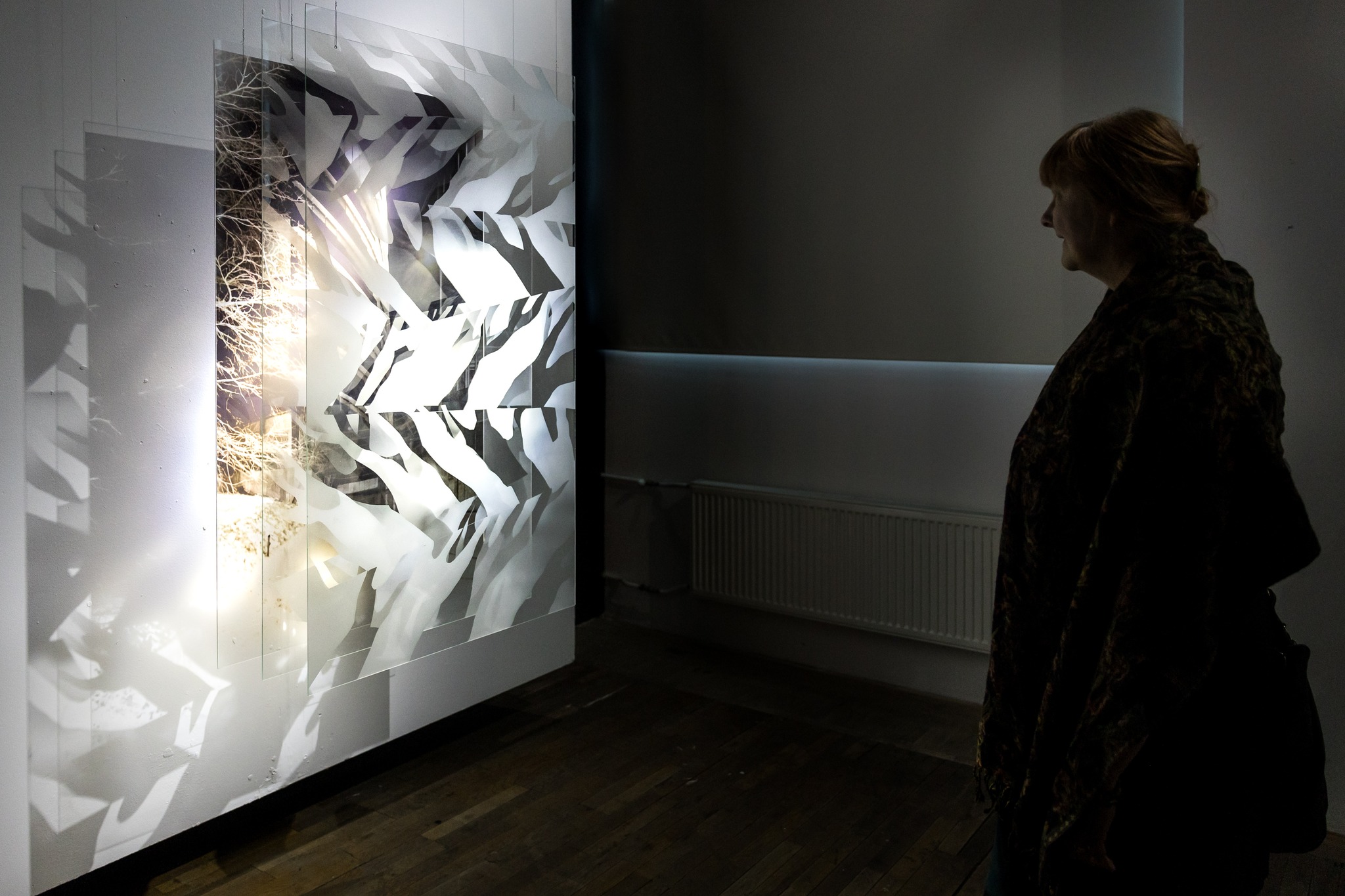
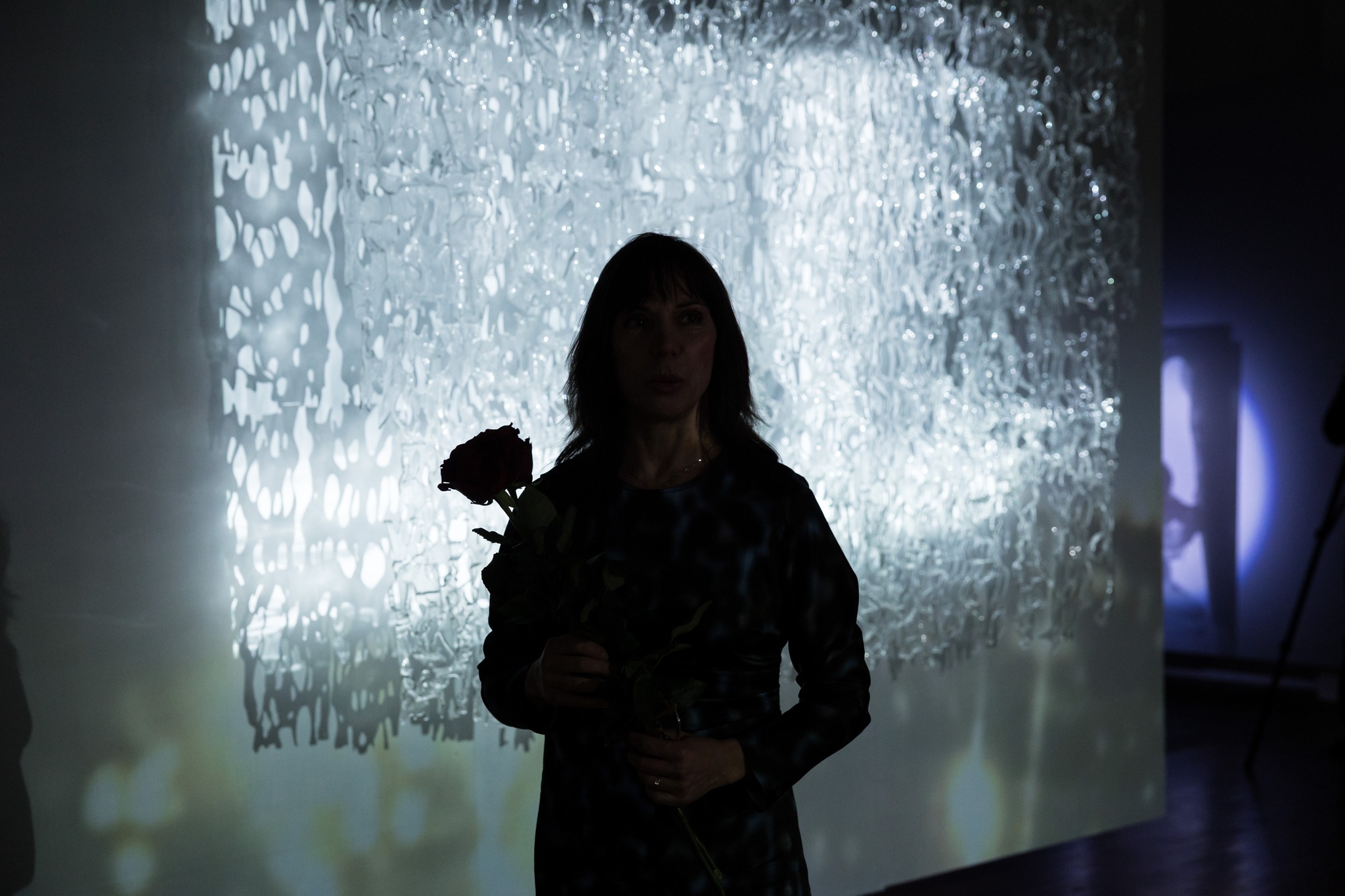
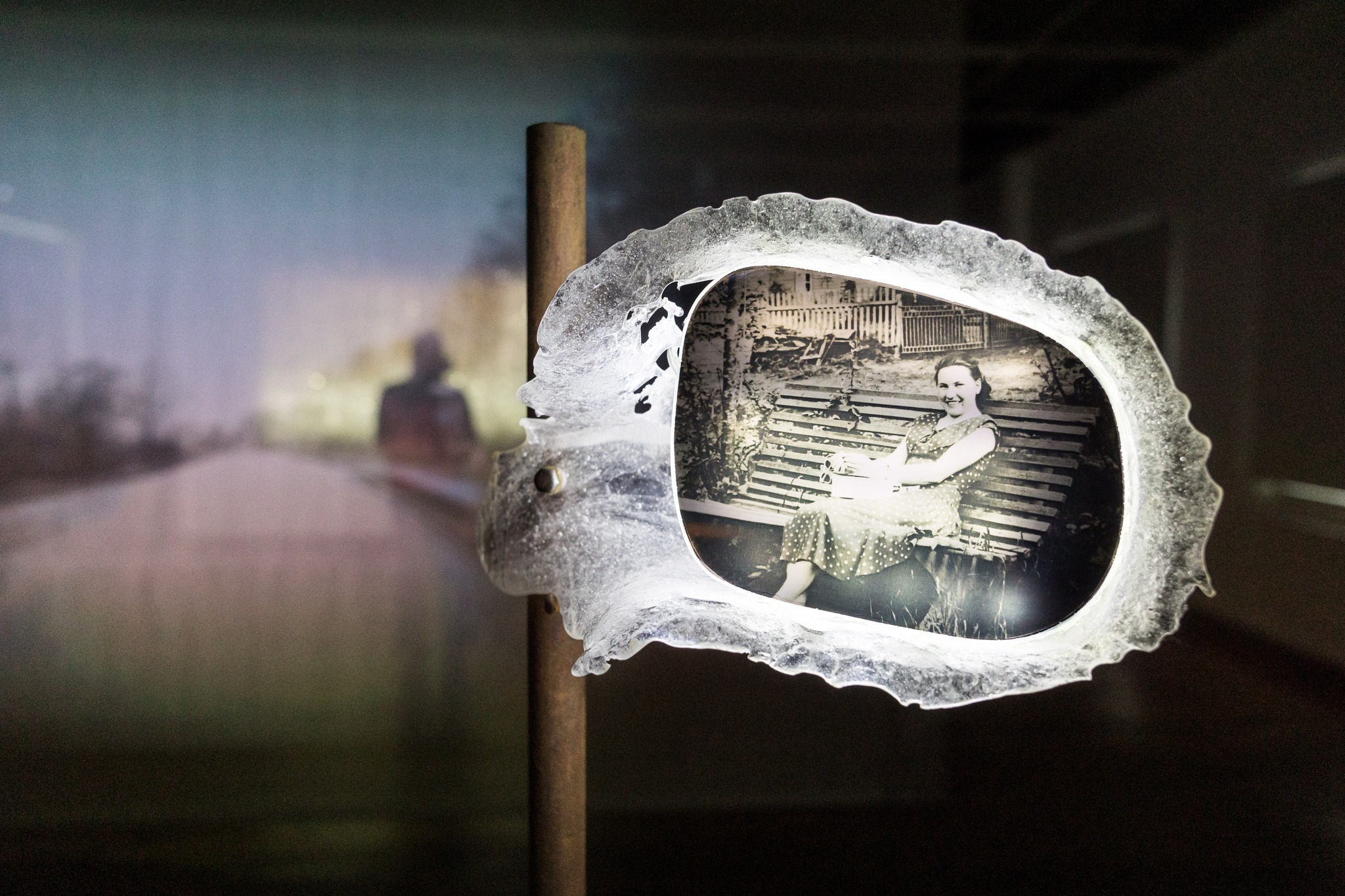
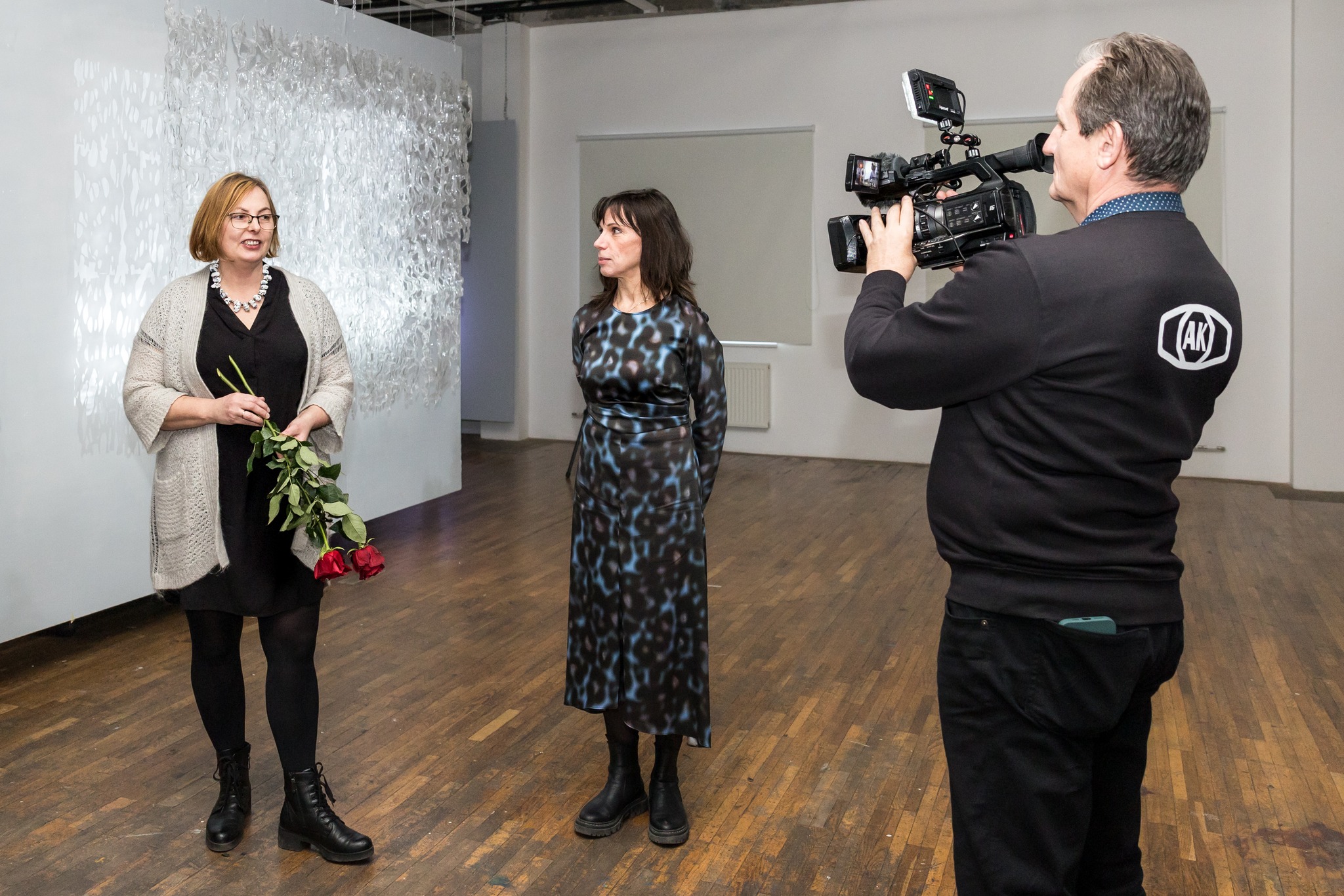
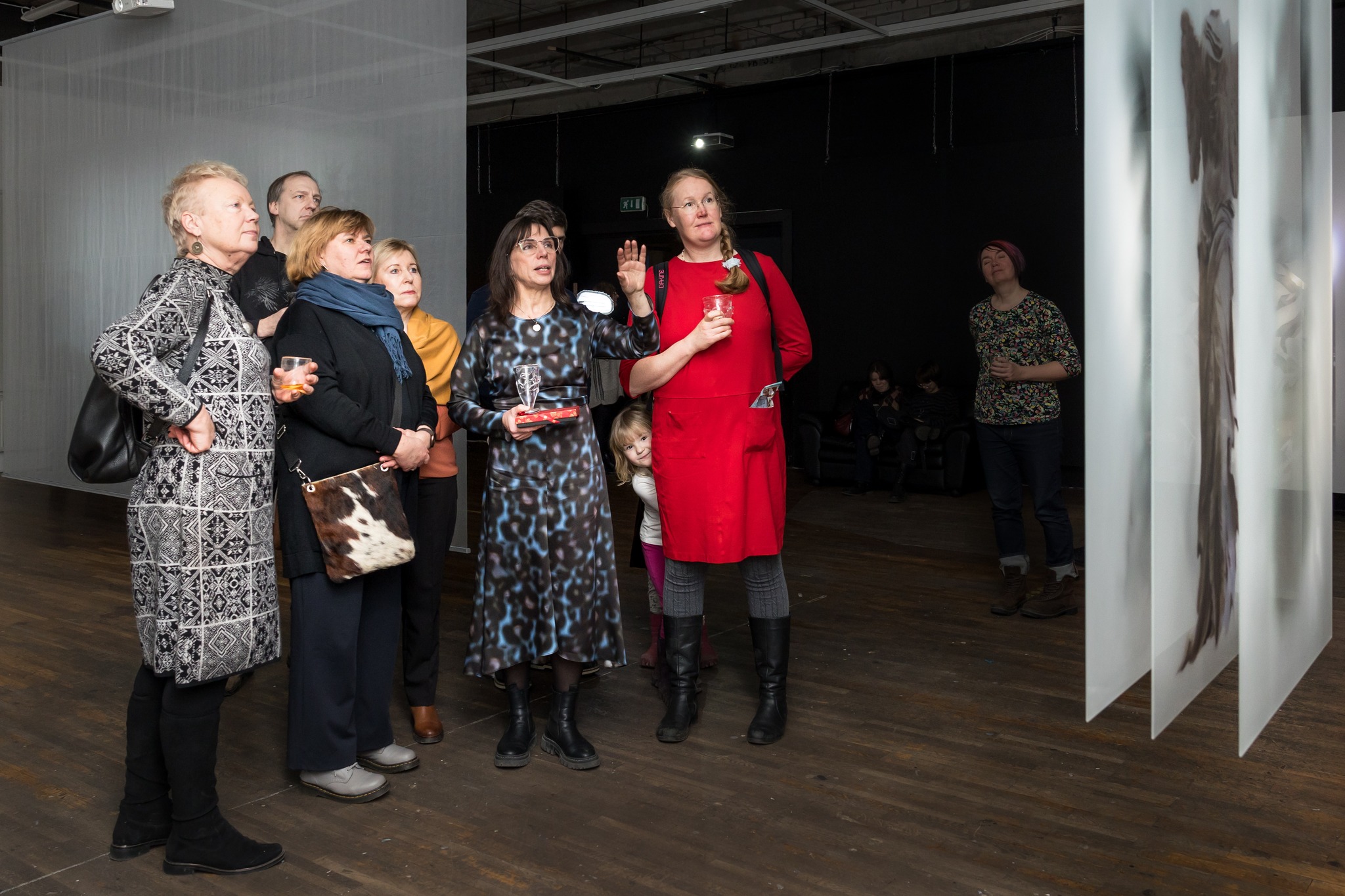
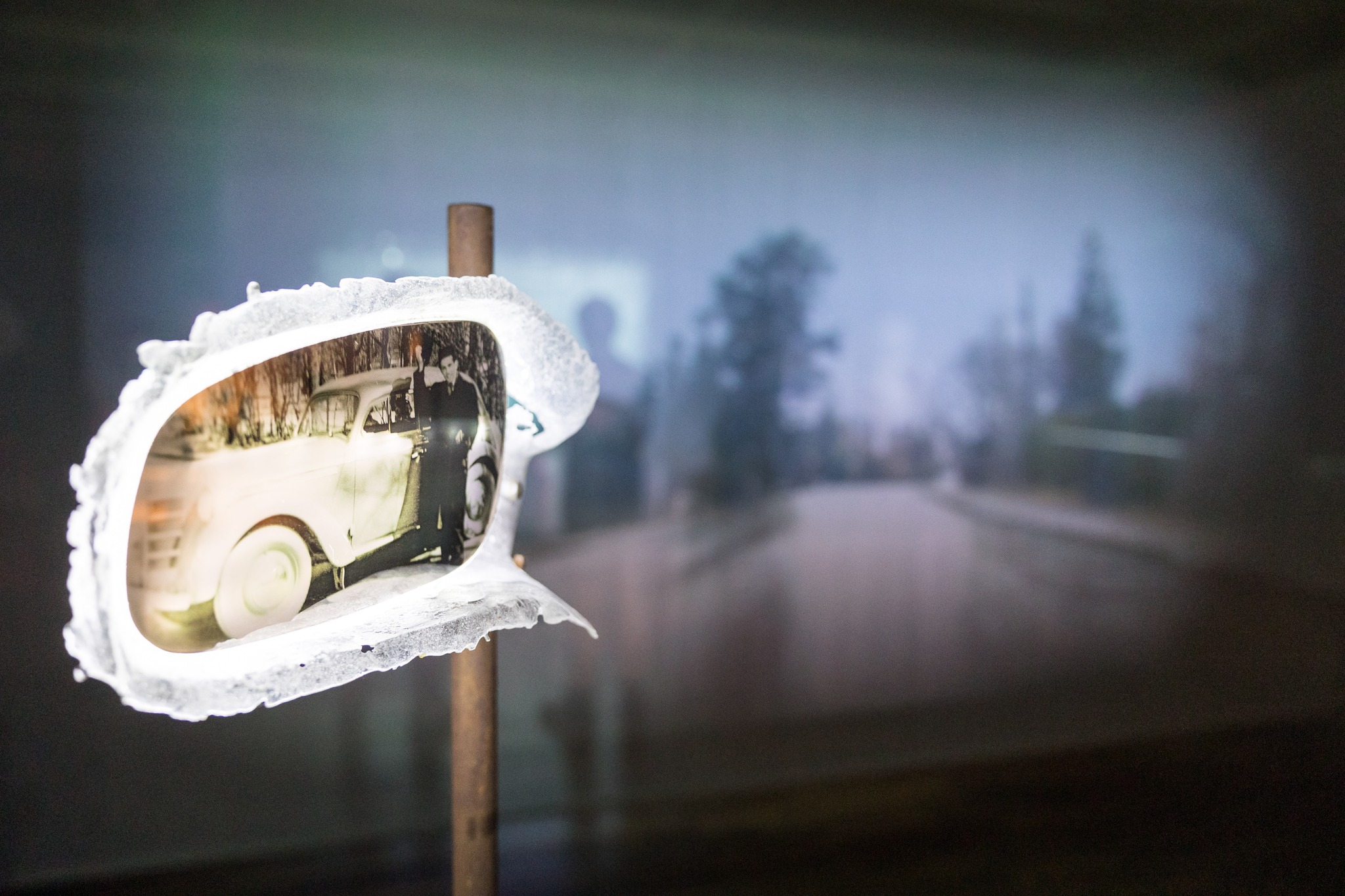
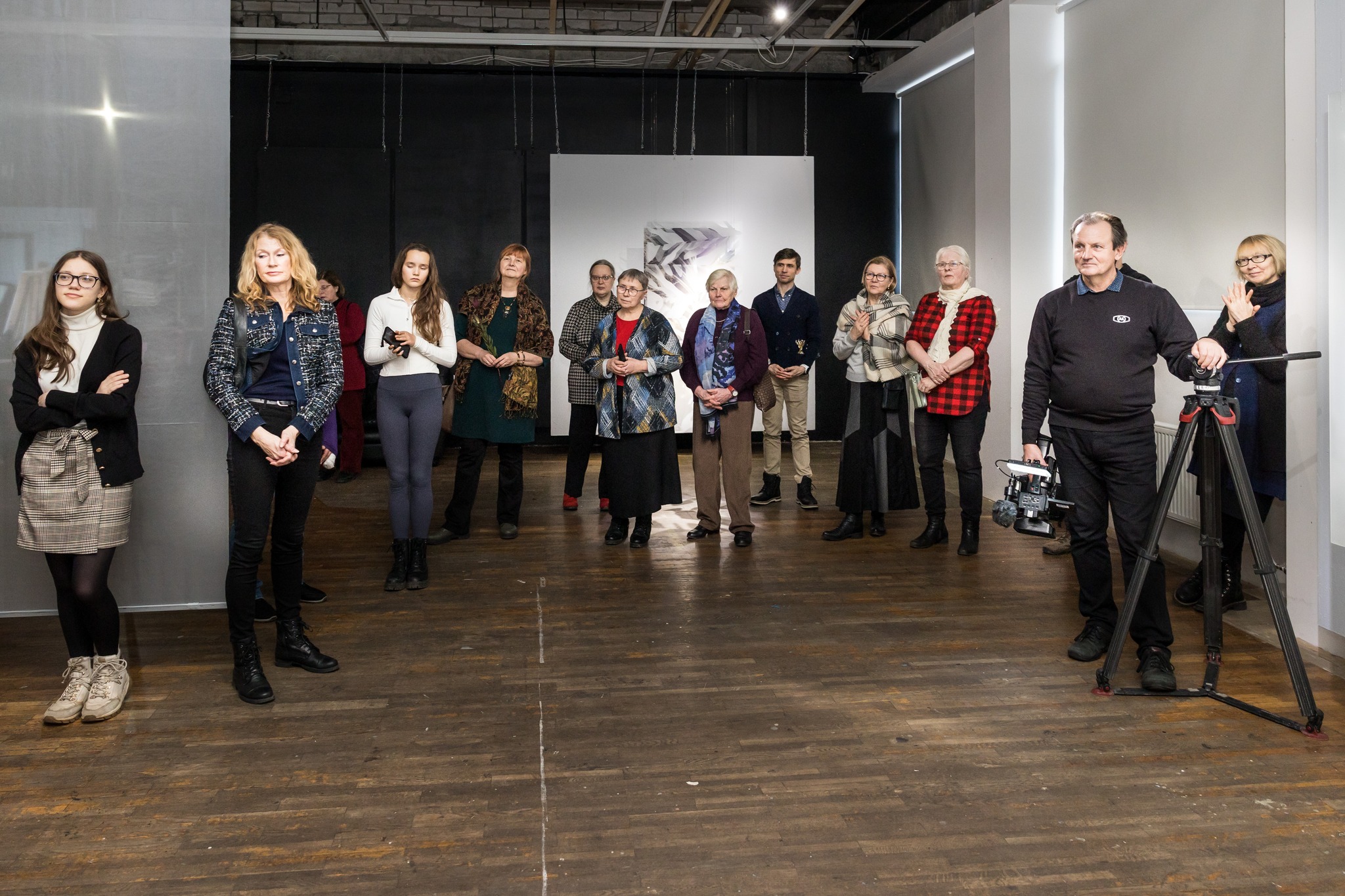
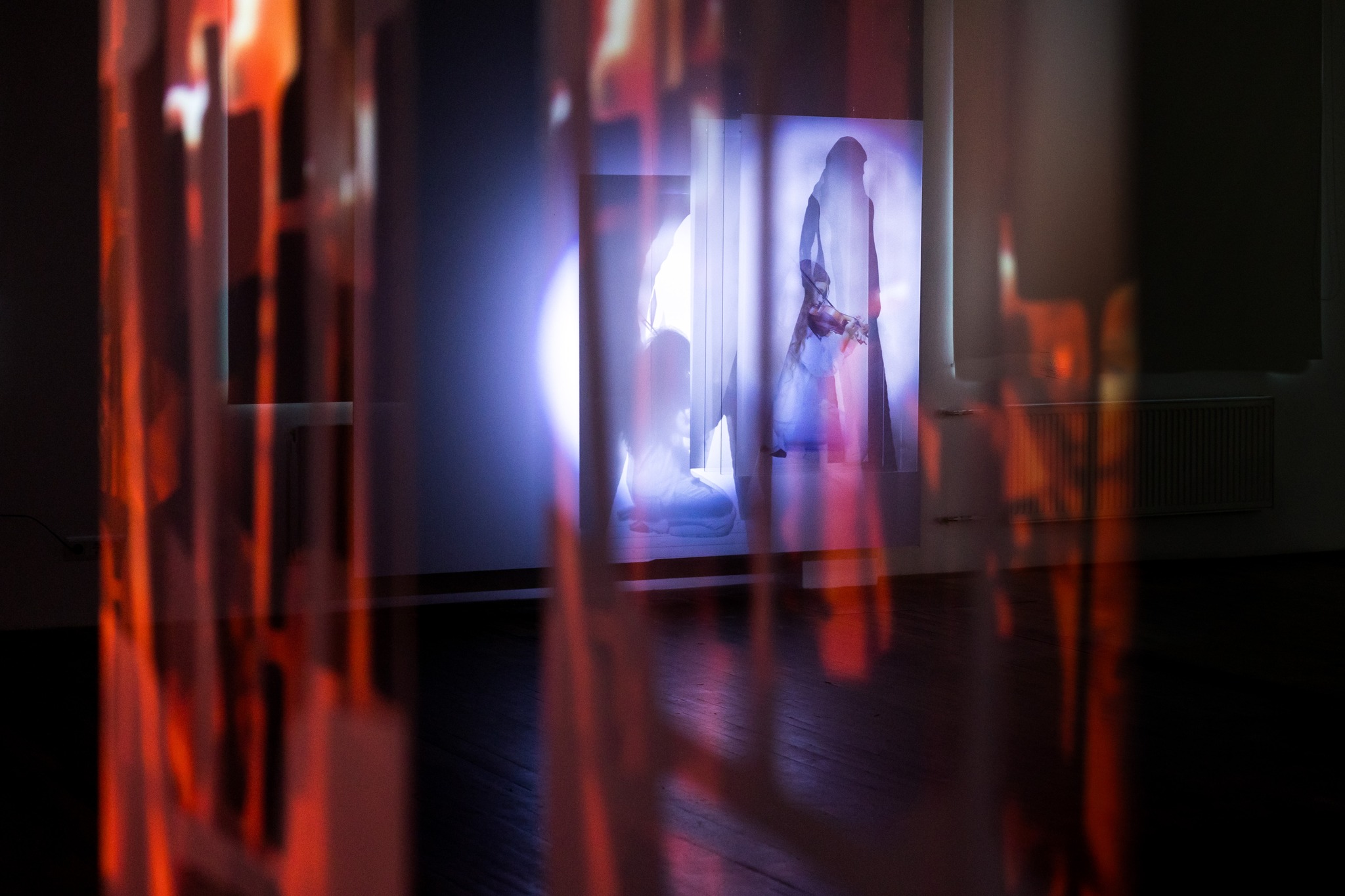
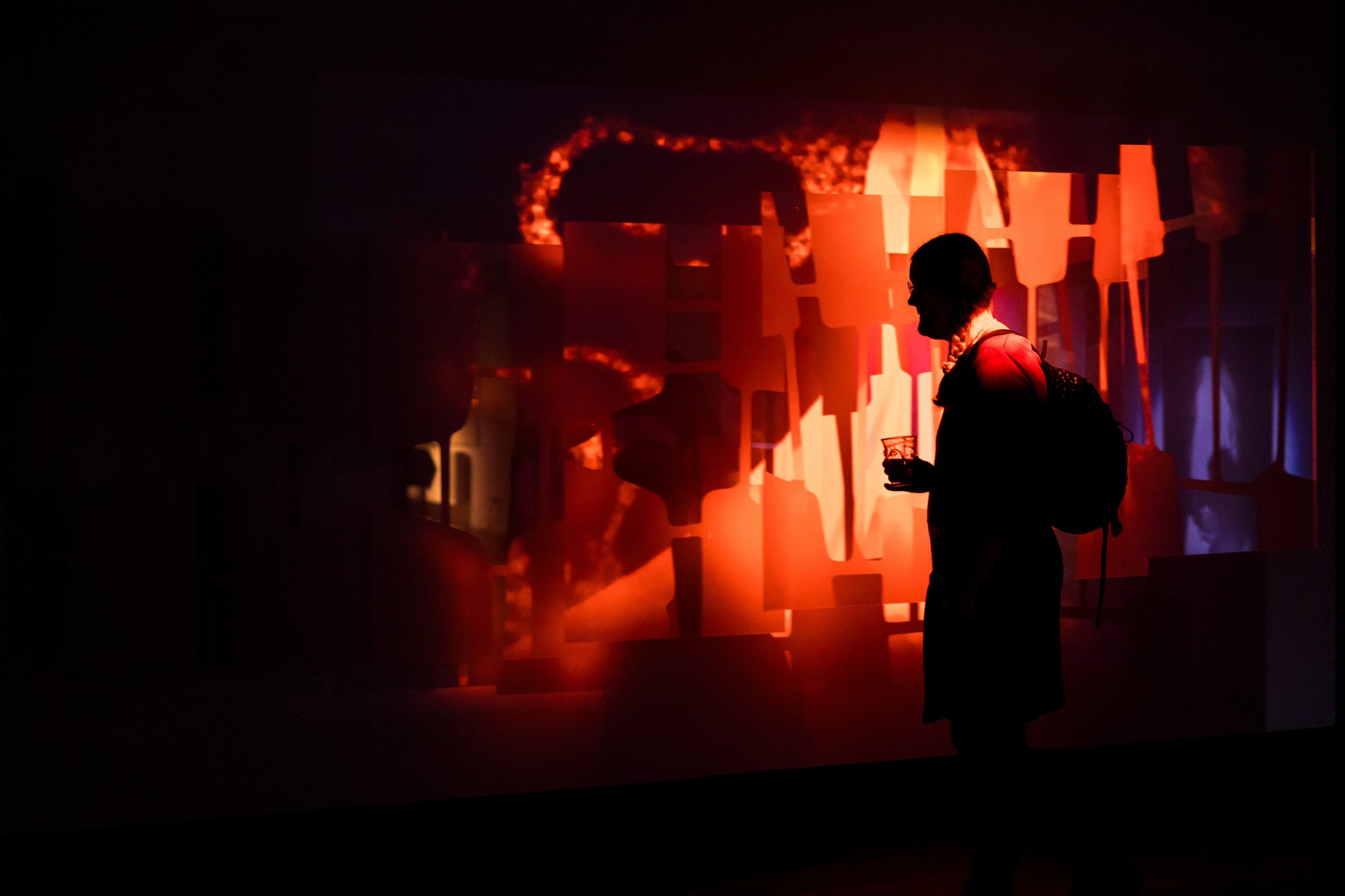
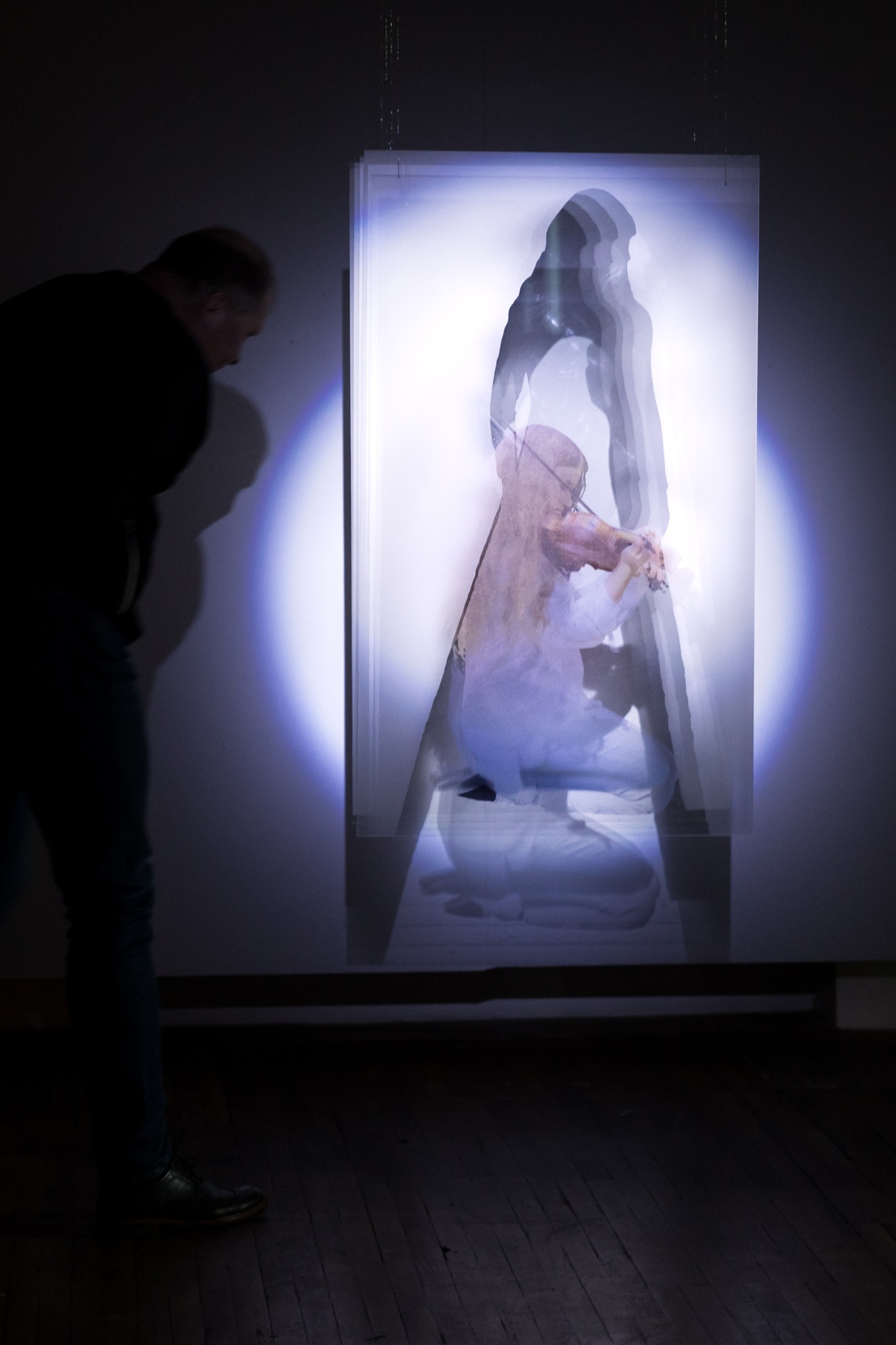
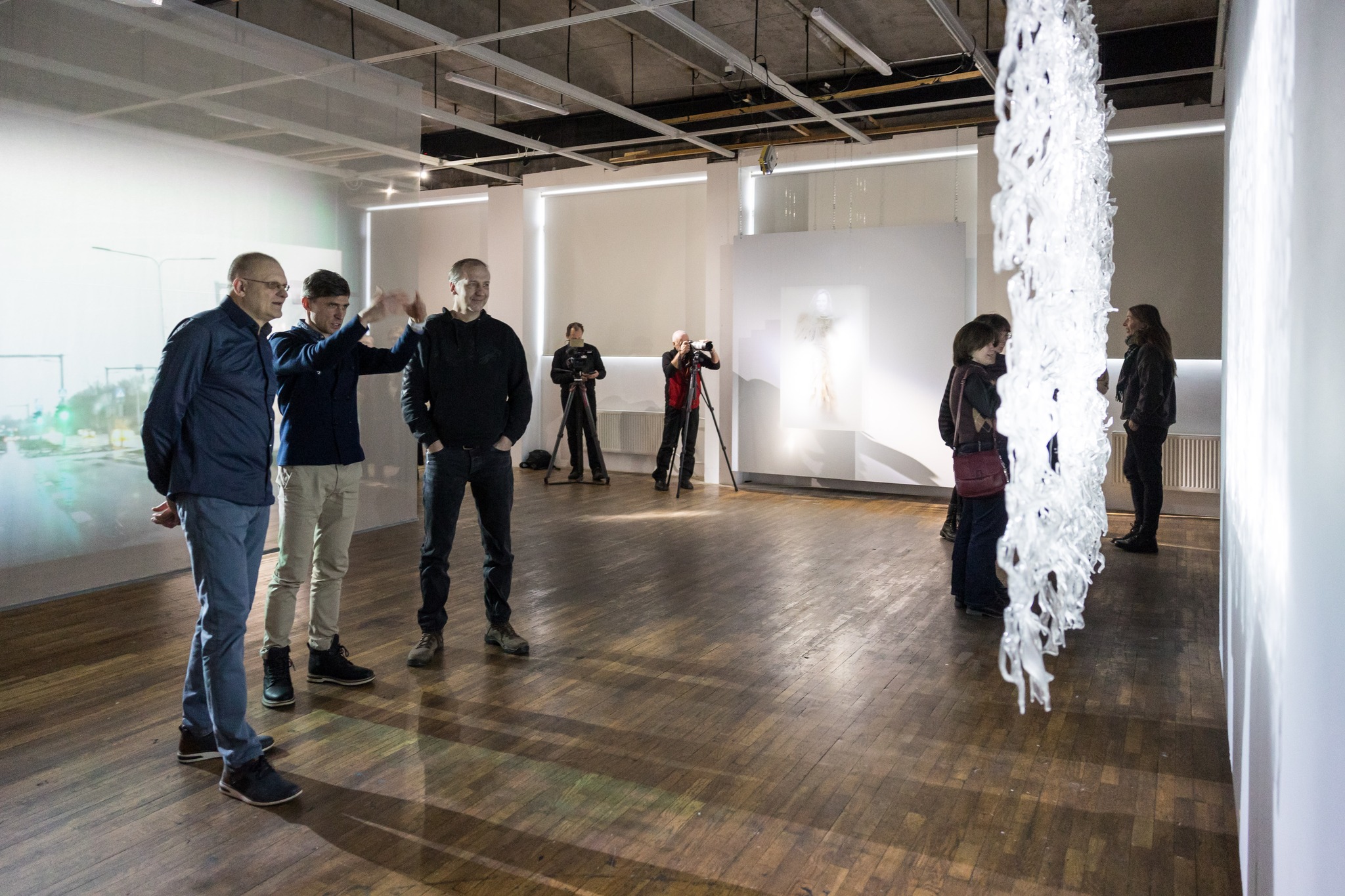
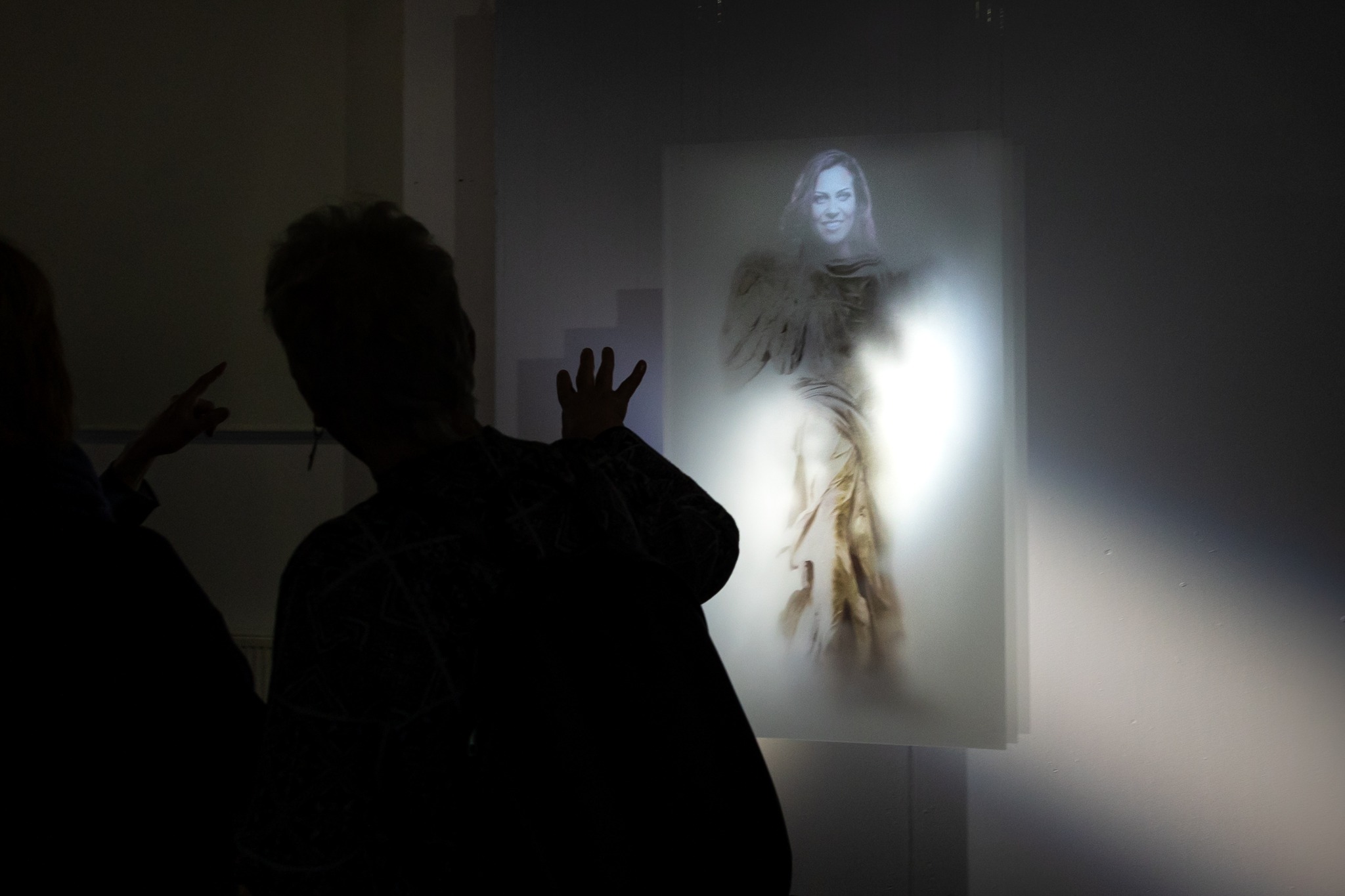
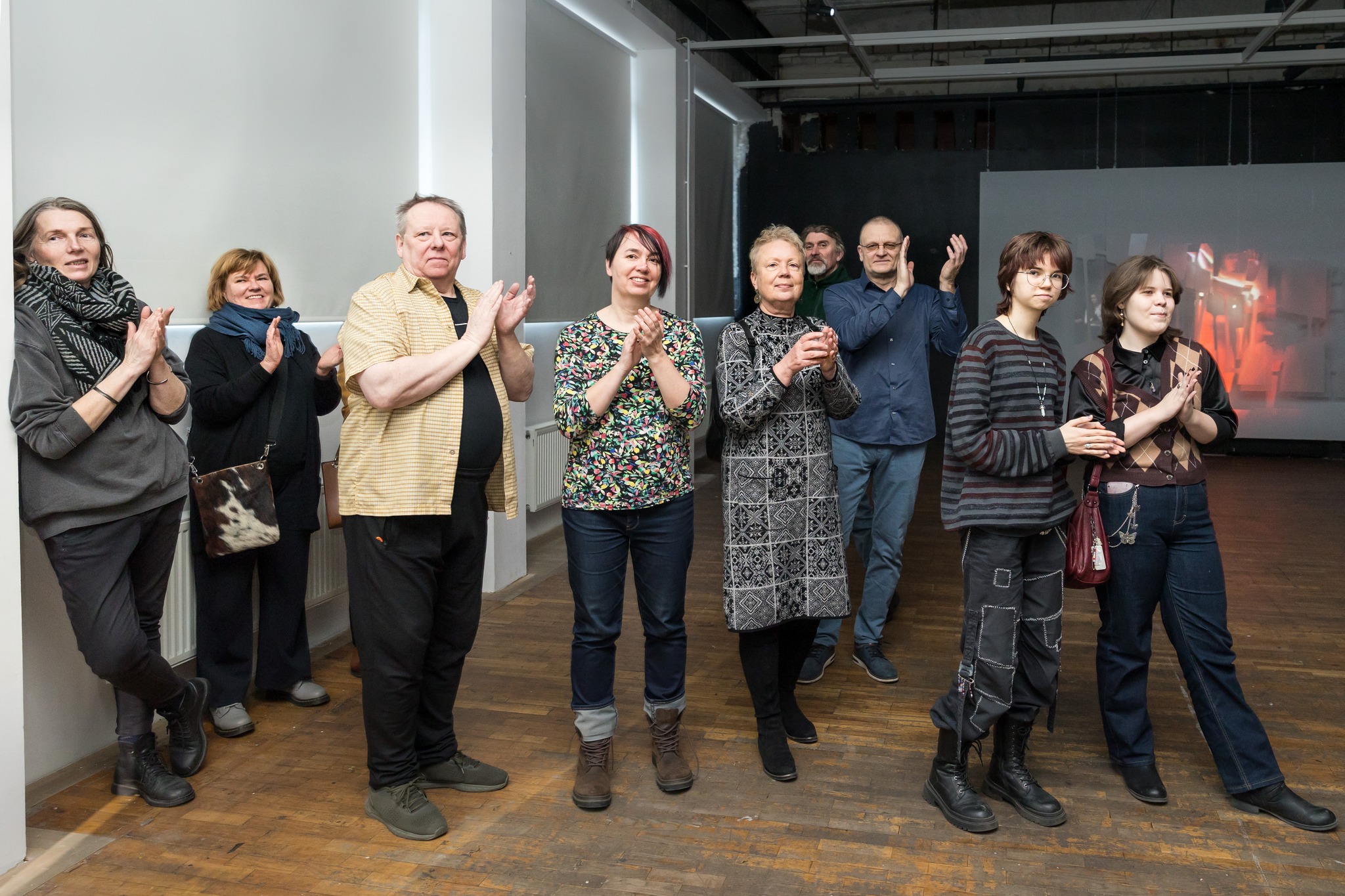
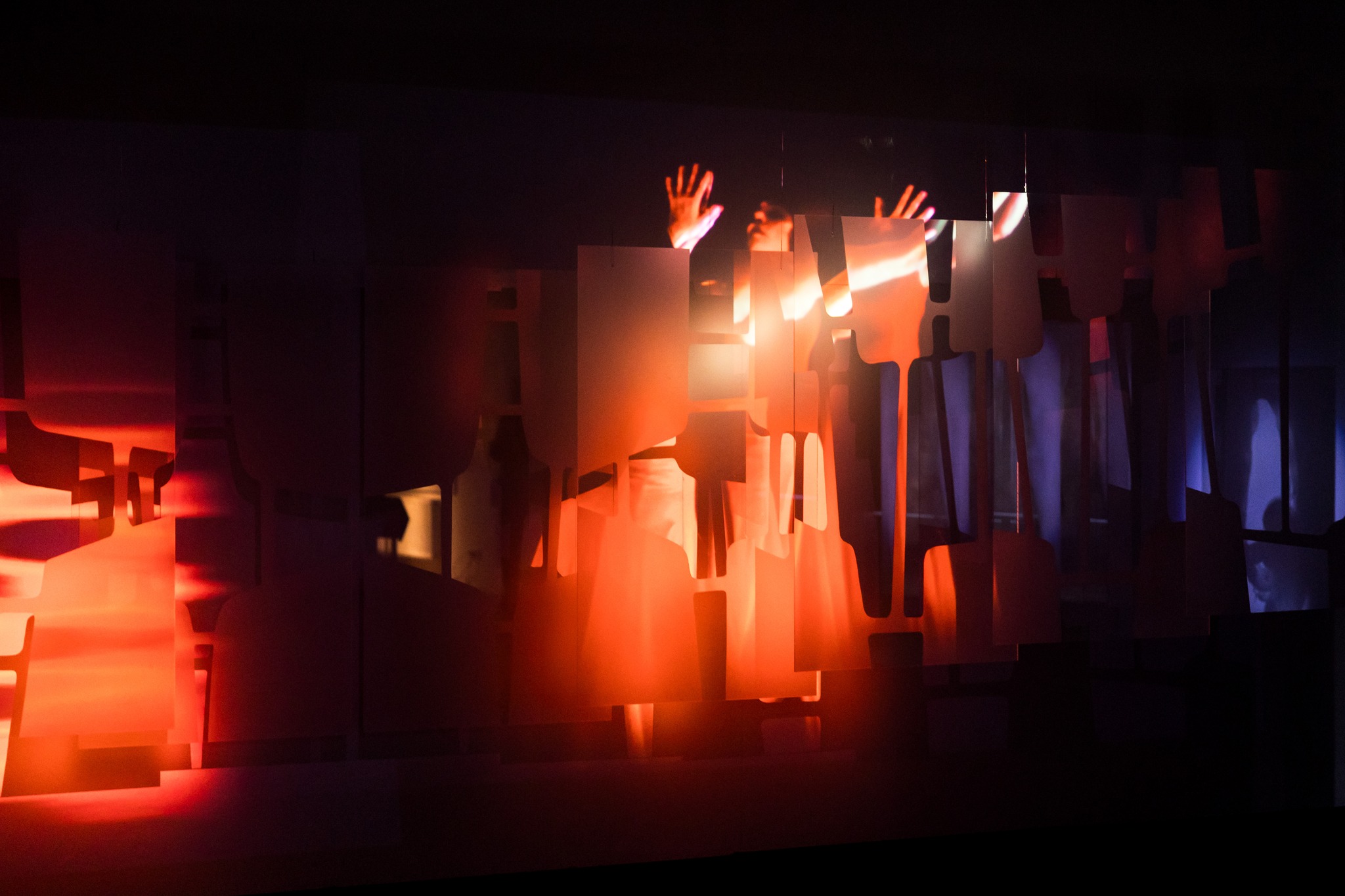
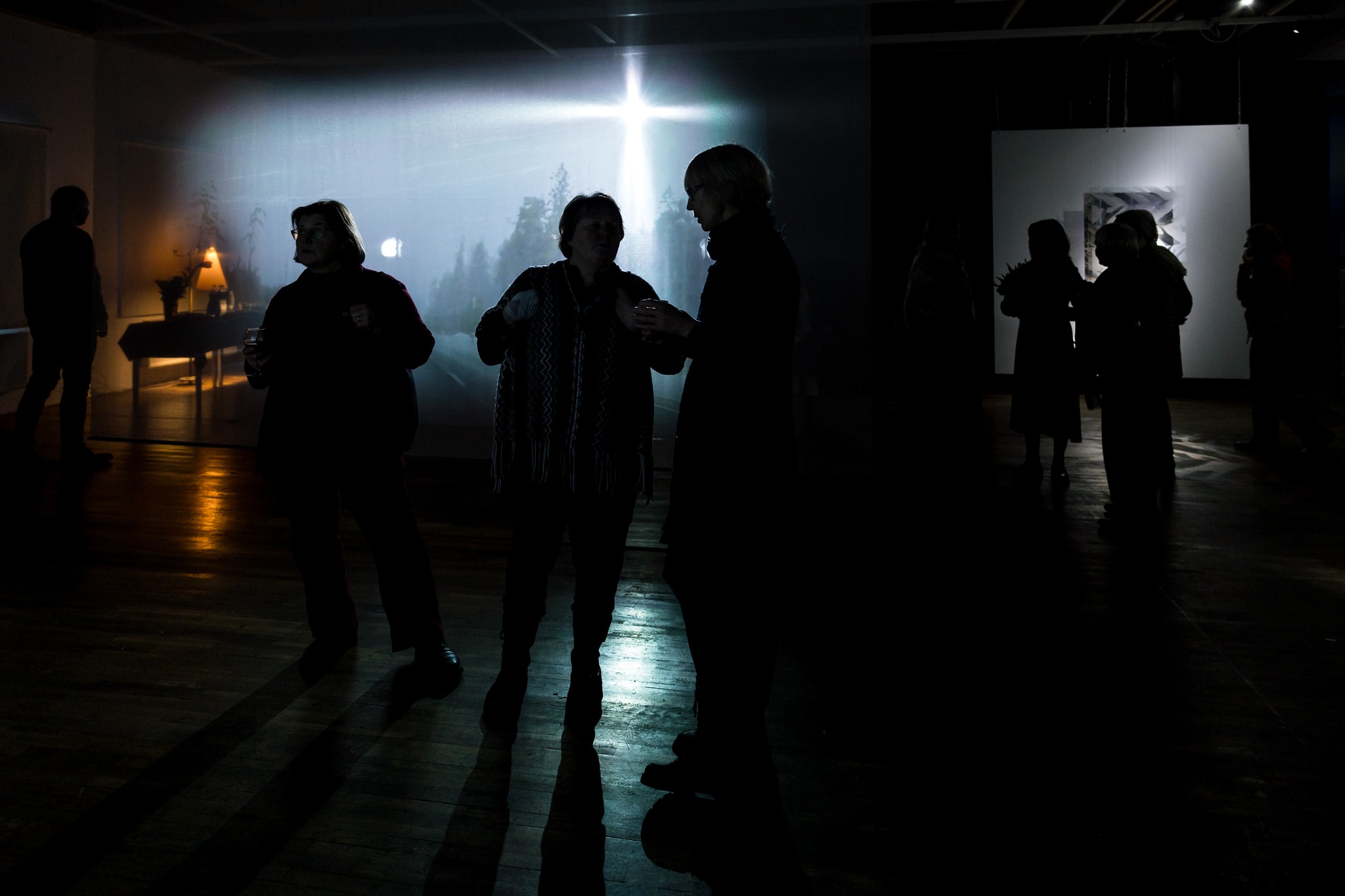
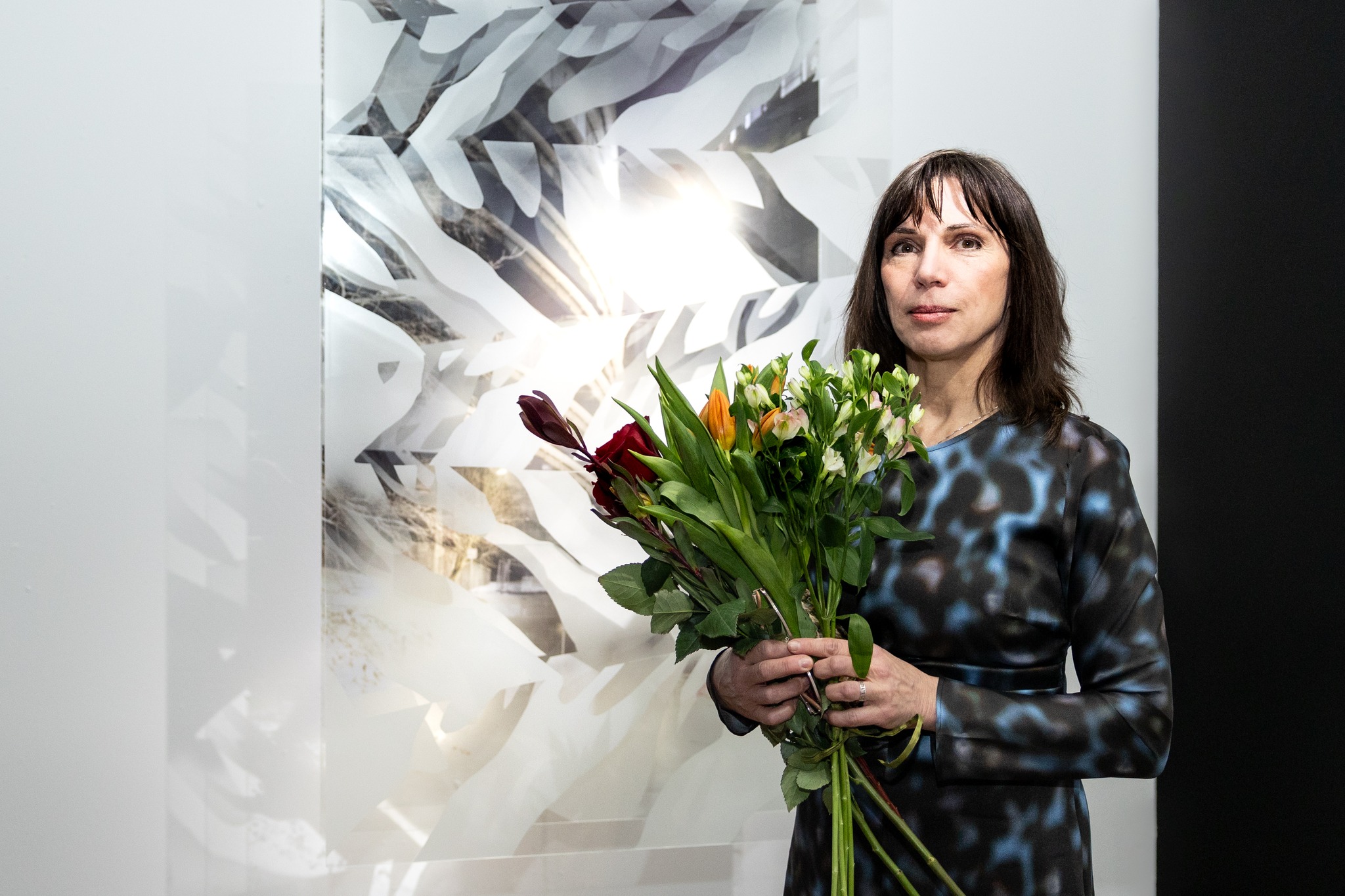
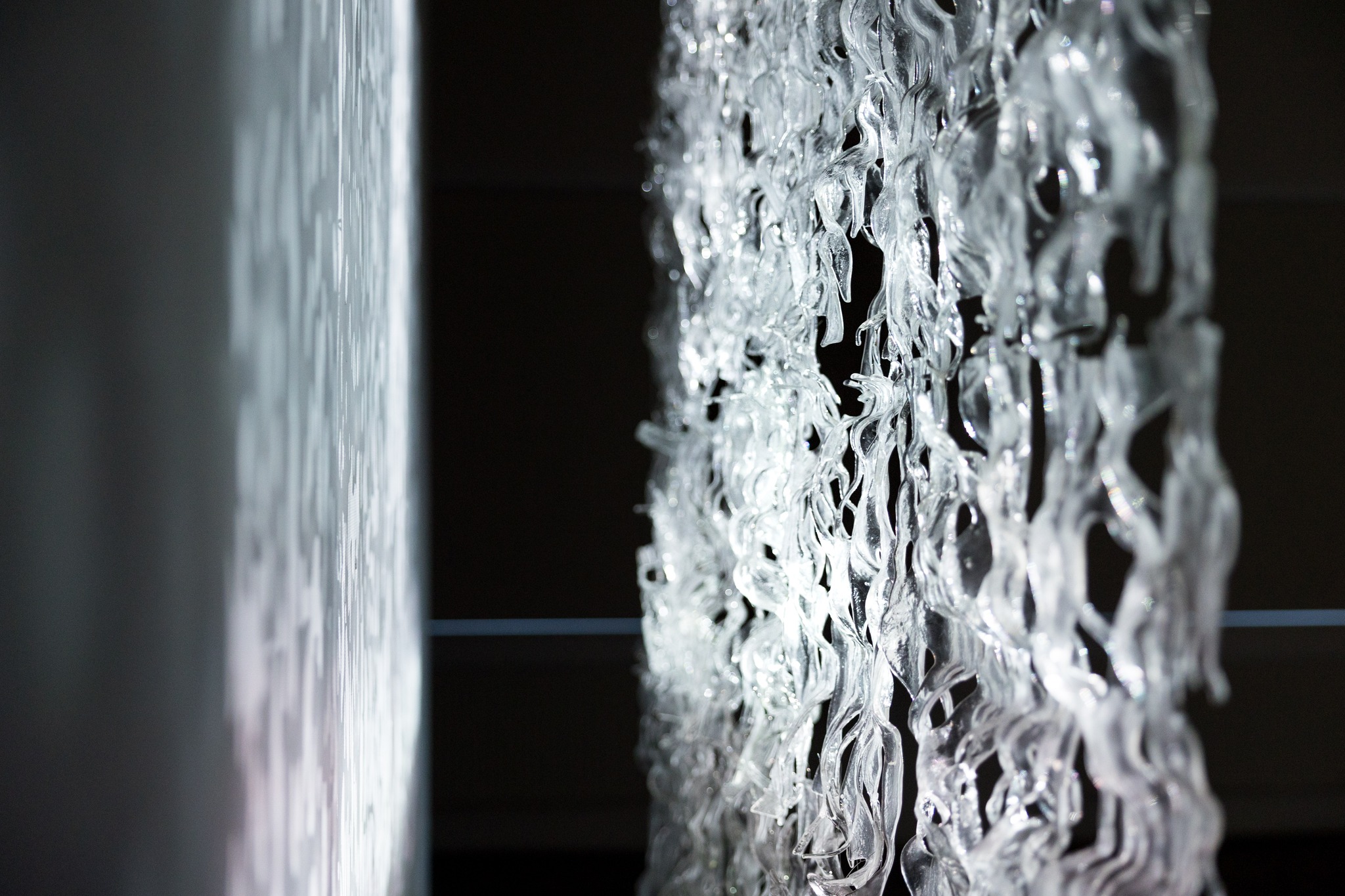
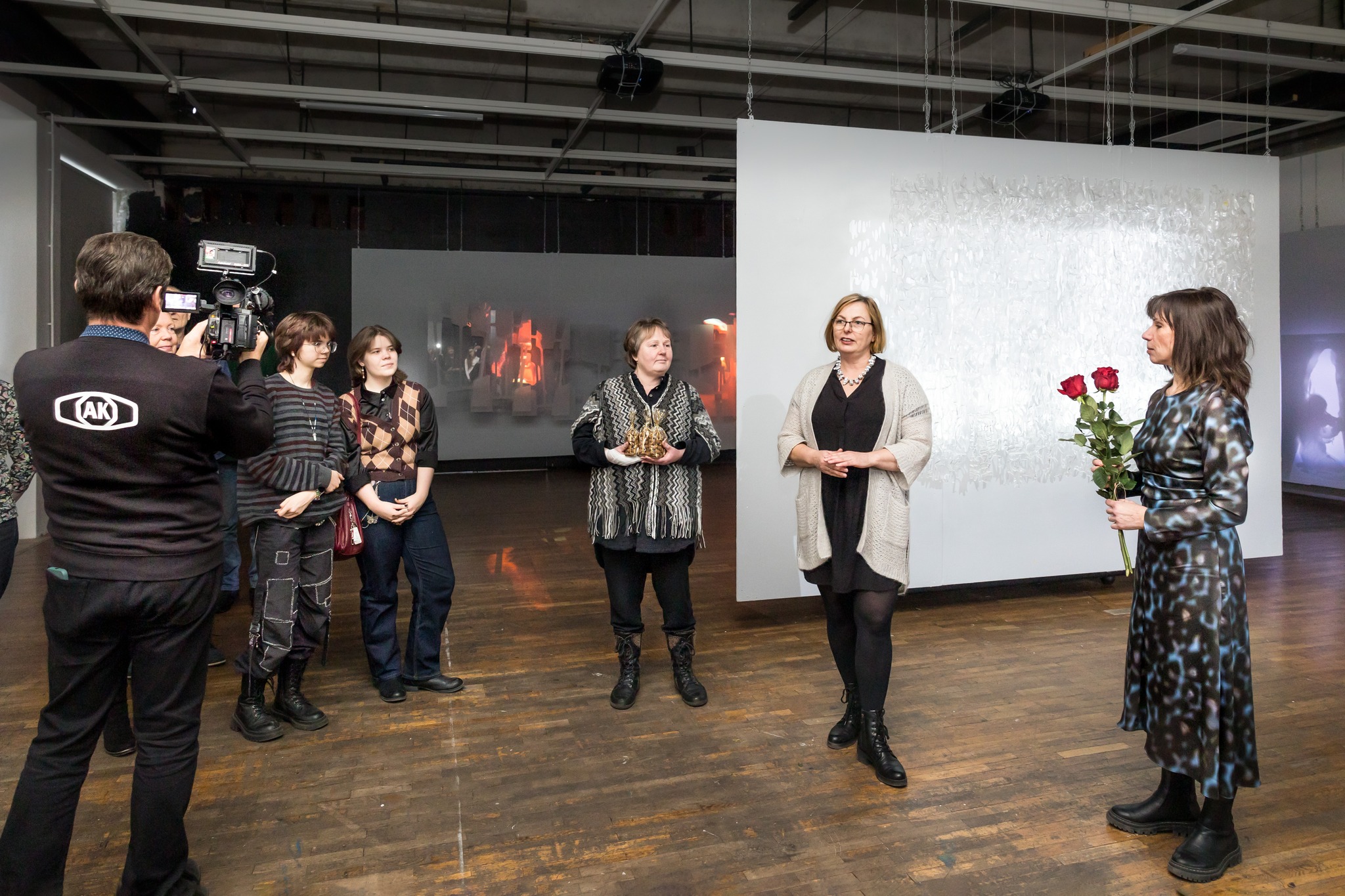
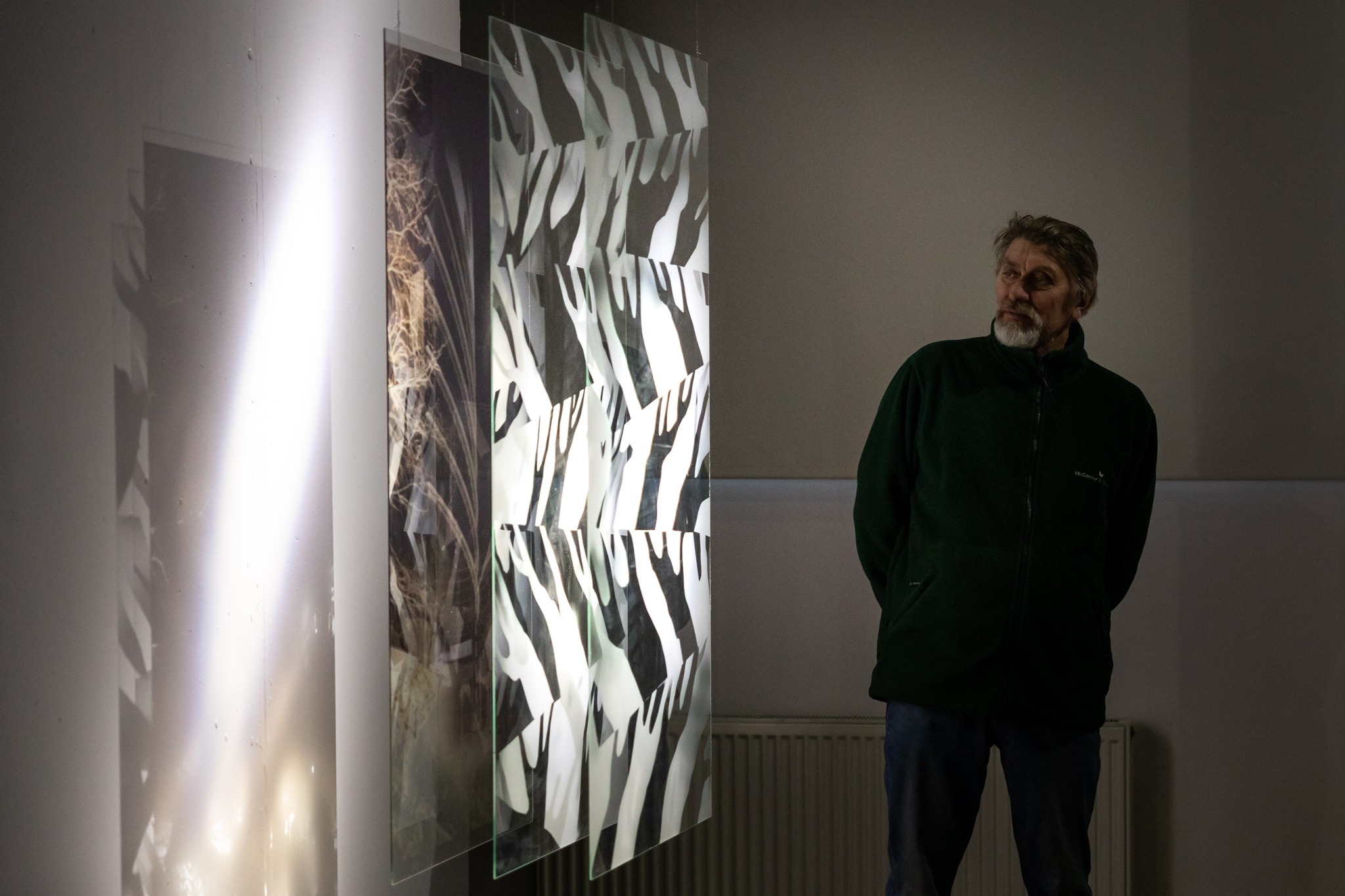
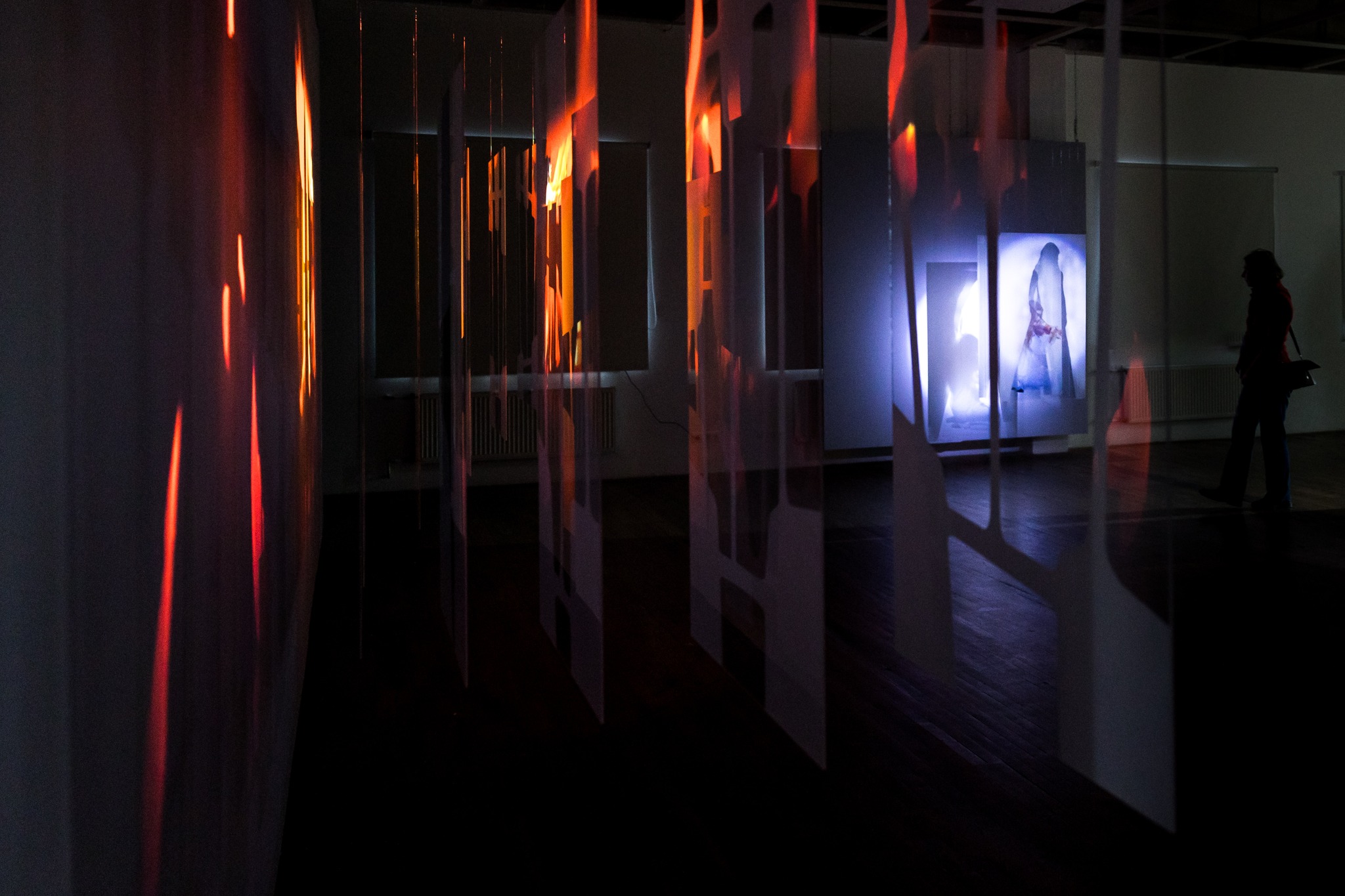
Recently decorated Appreciated Glass Artist 2022-2023, Sofi Aršas opens her solo exhibition “See through the Fog” Feb 8, 2025, at.l 16.00.
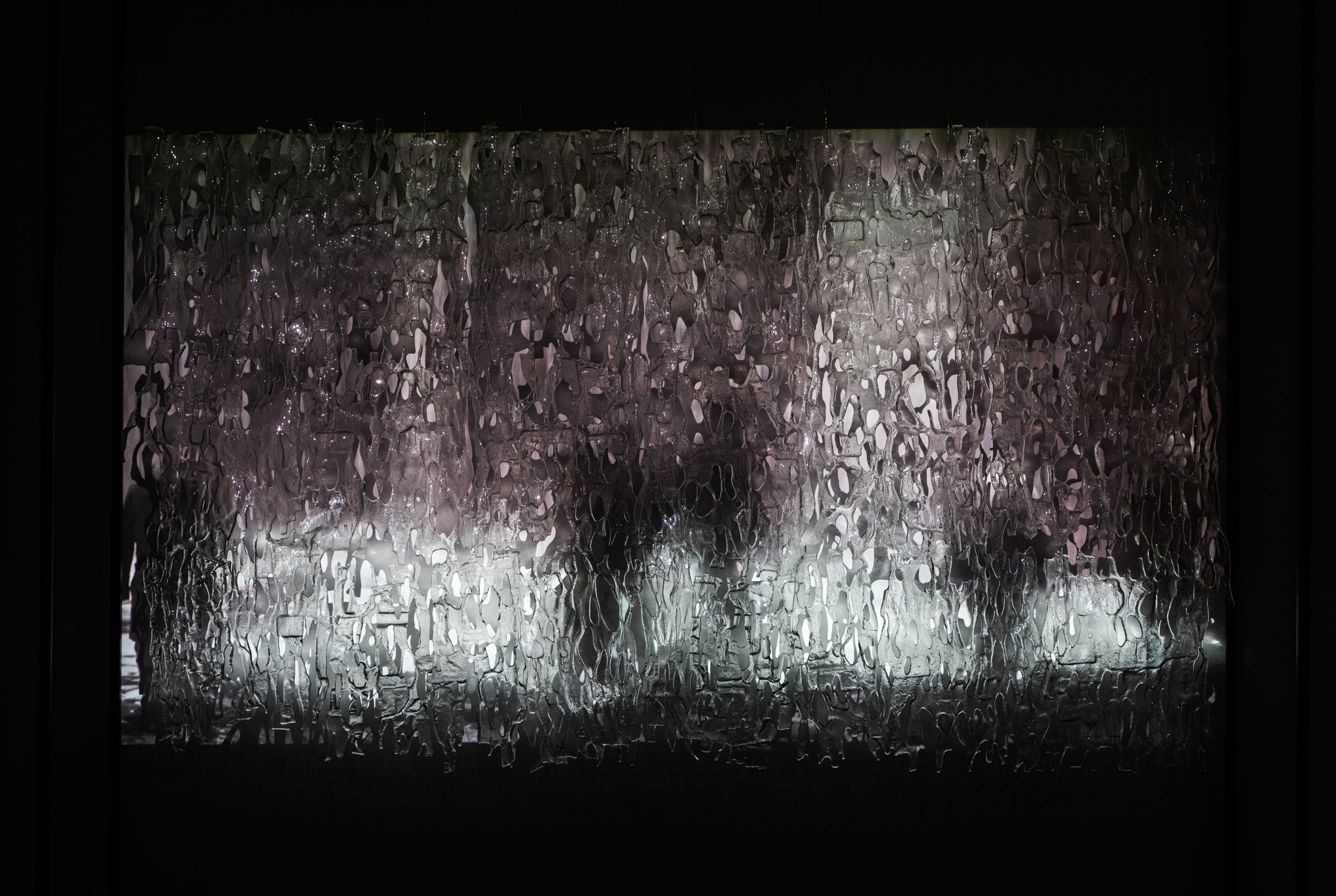 “When driving at dusk, the field of vision is suddenly obscured by fog, you reduce your speed, turn on the fog lights, but visibility does not improve. In your mind’s eye, there are danger scenarios that may befall you on the road – a collision with an animal, a person or a stranger, a sudden bend or aquaplaning. Your senses are concentrated only on the need to see through the fog.”
According to Aršas, we experience similar situations on a daily basis in a figurative sense. Ignorance of tomorrow, inability or need to understand others, dense media fog – these are just a few examples of how we walk the path of life to illuminate the future with fog lights.
In her exhibition, Aršas tries to show excerpts from situations where she focuses on the will to see more sharply and further. She observes experiences that can only create visions and delusions in circumstances with a limited field of vision. Sometimes these delusions and visions are more interesting than life itself. Sometimes self-constructed blurry distractions can create much more intriguing combinations with reality, entanglement in which can create more peculiar fields of vision.
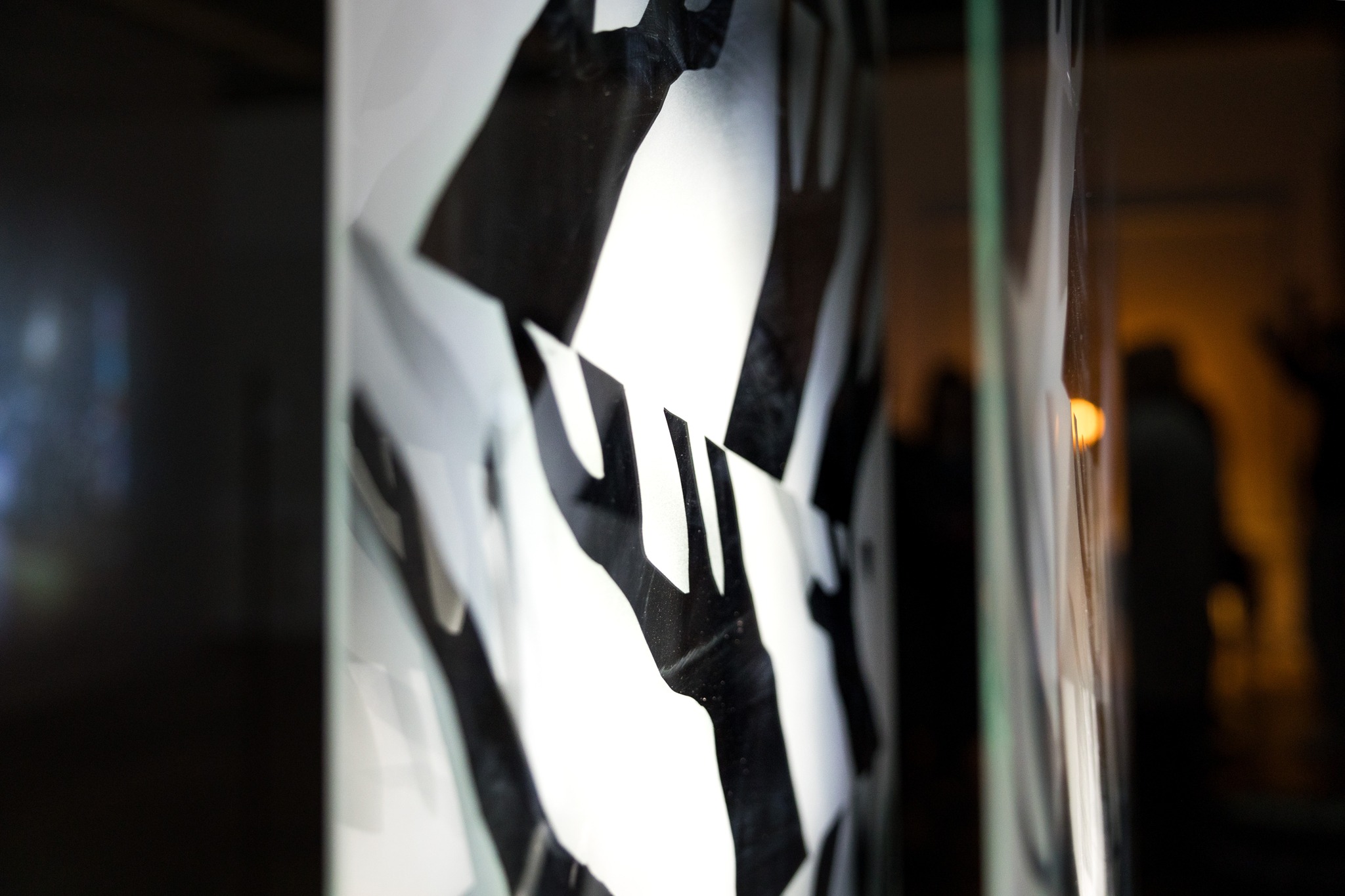
Sofi Aršas is a visual artist whose main means of expression are glass, video, photography and installation. In 2024, Sofi was awarded the honorary title of Appreciated Glass Artist in 2022. She has said about her creative process: “In order to fit all the necessary information into one object, glass and light are irreplaceable components, which, due to their optical properties, make it possible to depict several motifs at the same time – a thought, an emotion, a memory image and a place, interweaving these translucent layers into a single space of meaning.”
Sofi graduated from Tallinn University of Arts (now the Estonian Academy of Arts) with a degree in glass art in 1992. She has participated in numerous exhibitions in Estonia and abroad since 1994. She has curated several glass art exhibitions. She has been a member of the Estonian Artists’ Association since 2007 and from 2013 to 2017 she was the chairman of the Estonian Glass Artists’ Union. From 1994 to 2018, she was a lecturer in glass art at Tallinn University. Since 2018, she has been working in her studio and is a teacher at the Tallinn University. Aršas’ works are owned by the Tallinn City Museum and the Estonian Museum of Applied Art and Design.
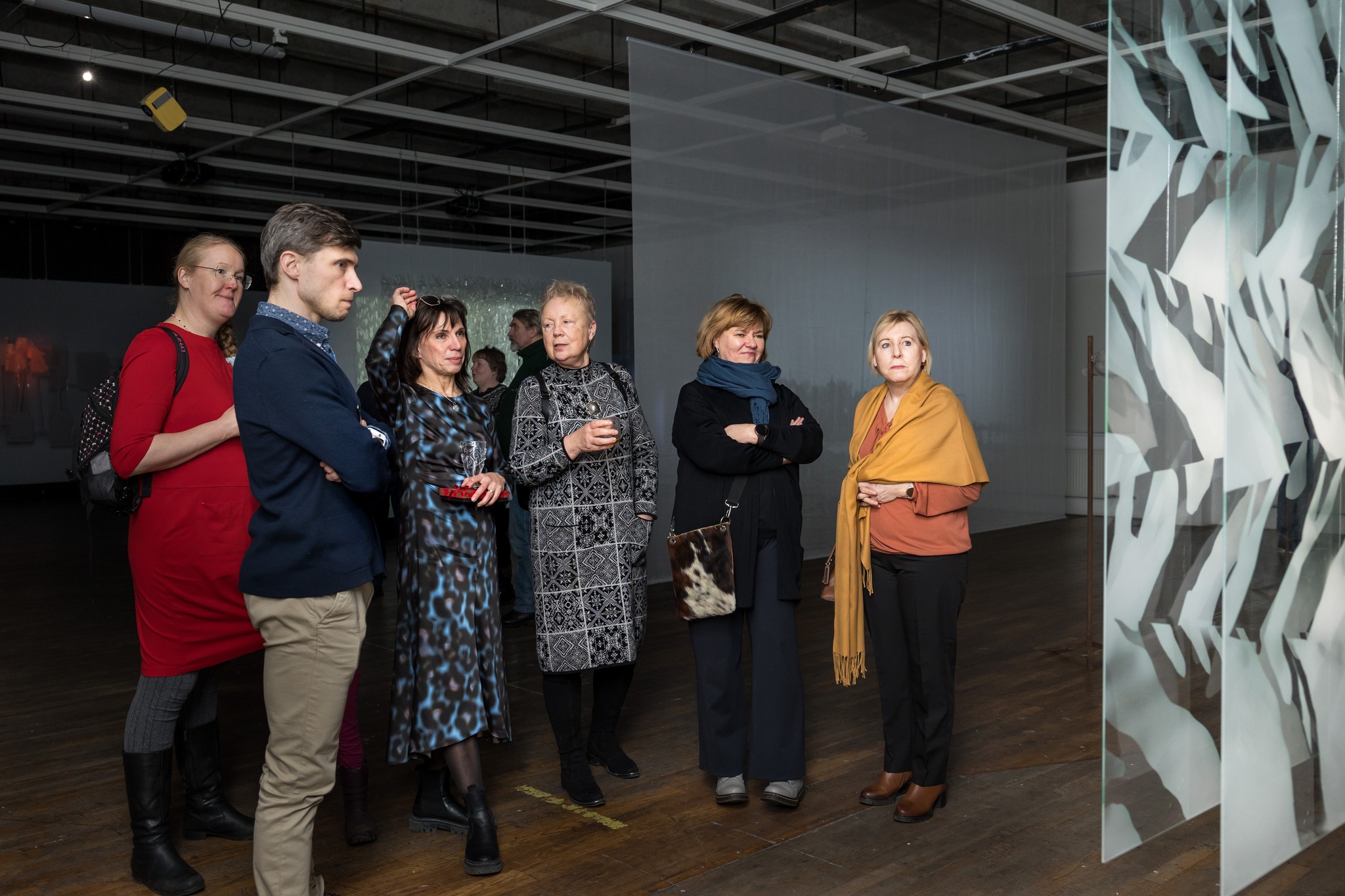
Everyone is welcome to the opening of the exhibition on Saturday, February 8, at 16:00, at the Rapla County Contemporary Art Center!
Tallinna mnt 3b, Rapla. The centre is open during exhibitions: from Tuesday to Friday from 15:00 to 18:00, Saturday and Sunday 12.00 – 15.00. Closed on Monday The exhibition will be open until March 2, 2025.
The exhibition is supported by the Cultural Endowment of Estonia. Contacts: Sofi Aršas 56957052; sofiarchas [at] gmail [dot] com Kairi Orgusaat: kairi [dot] orgusaar [at] mail [dot] ee
Photos by Tiina Kõrtsini.
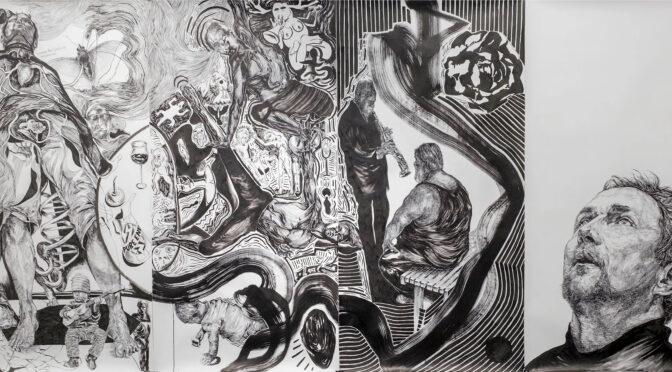
Matti Vainio: Playground
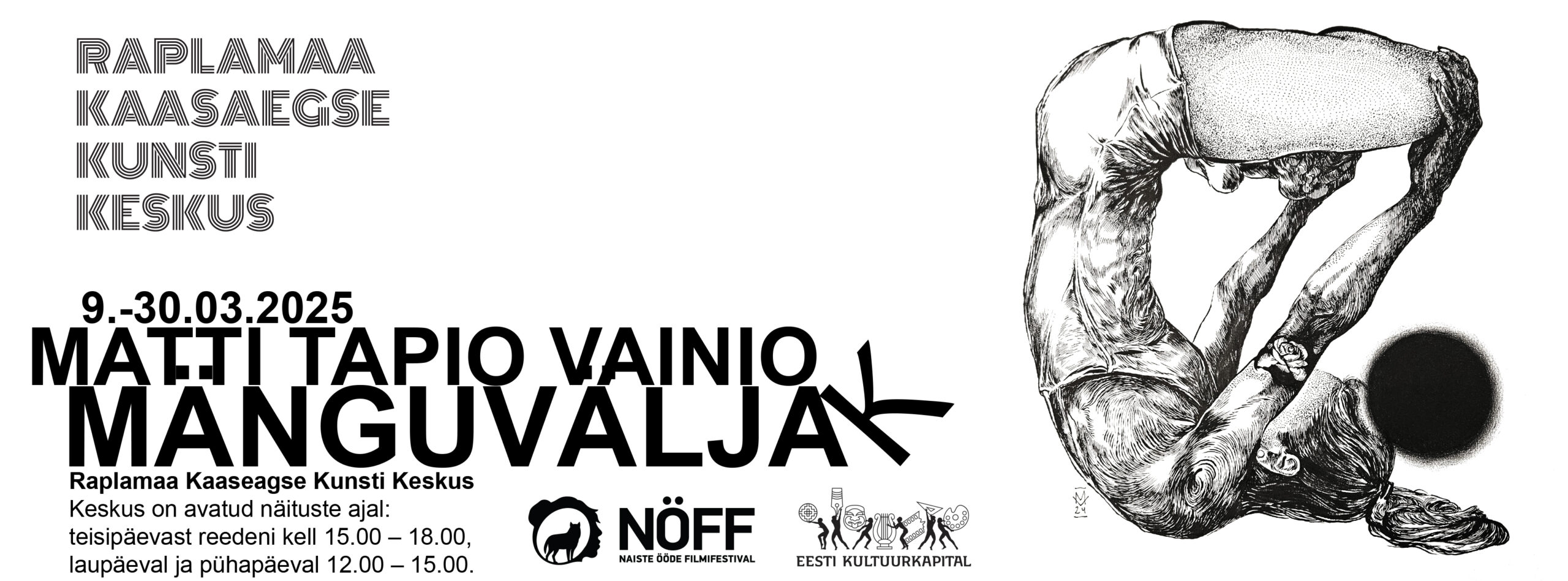 MATTI TAPIO VAINIO’s solo exhibition „Playground“
Opening March 8, 2025 atl 11.30.
Open 09.03. – 30.03. 2025,
Tue – Fri 15.00 – 18.00, Sat-Sun 12.00 – 15.00
Tallinna mnt. 3b, Rapla
This exhibition is part of the NÖFF-i Women’s Nights Film Festival programme. The seventh Women’s Nights Film Festival will take place from 7 to 9 March 2025. in Rapla and Märjamaa. The recurring theme is WOMAN and MAN.
The exhibition “Playground” features oil paintings, prints and large black-and-white maze-like drawings. The works deal with a wide range of topics that focus on human exploration and relating to the world around them. The artworks express the dynamics between people’s personal and social identities and their impact on the world around them. Through the works presented at the exhibition, the artist explores how the roles and identities of men and women intertwine in the “playgrounds” of our everyday lives, reflecting desires and fears, flexibility, aspirations, challenges and relationships. If we look at life as a playground where our actions and choices affect each other and the environment around us, we can better understand that every work of art or human act is part of a larger game in which everyone has their own role and impact.
With the help of fine arts, it is possible to express both concrete and invisible processes of human behaviour. At the same time, art opens up the possibility of simulating different scenarios that could potentially take place. We are all looking for the most suitable ways to exist in the world among a thousand possibilities.
Matti Tapio Vainio, born in 1978, is a freelance artist from Finland and since 2021 the director of Viimsi Art School. Vainio holds a Master of Fine Arts degree from Aalto University and lives and works in Estonia. His main mediums are drawing, painting, printmaking, and performance. He has participated in exhibitions in Estonia, Finland, Sweden, Germany and he United Kingdom. The space created in his work explores the phenomenon of everyday life and the possibilities of the individual in social conditions, and he sees art as an opportunity to practice meditative and philosophical thinking.
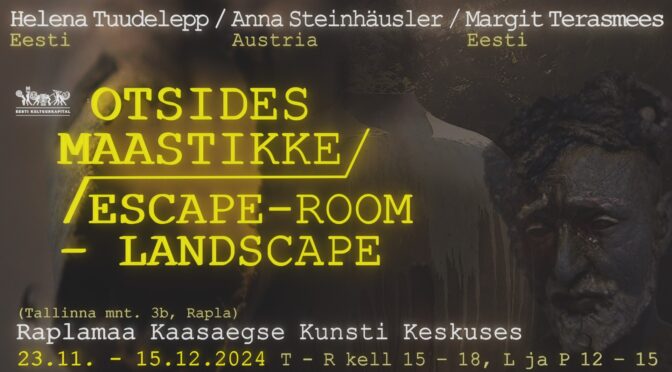
Escape – Room – Landscape
Exhibition at the Rapla County Centre for Contemporary Art
23.Nov- 15.Dec 2024, opening November 22th, at 18.00.
Participating artists:
Helena Tuudelepp EST
Anna Steinhäusler AUS
Margit Terasmees EST
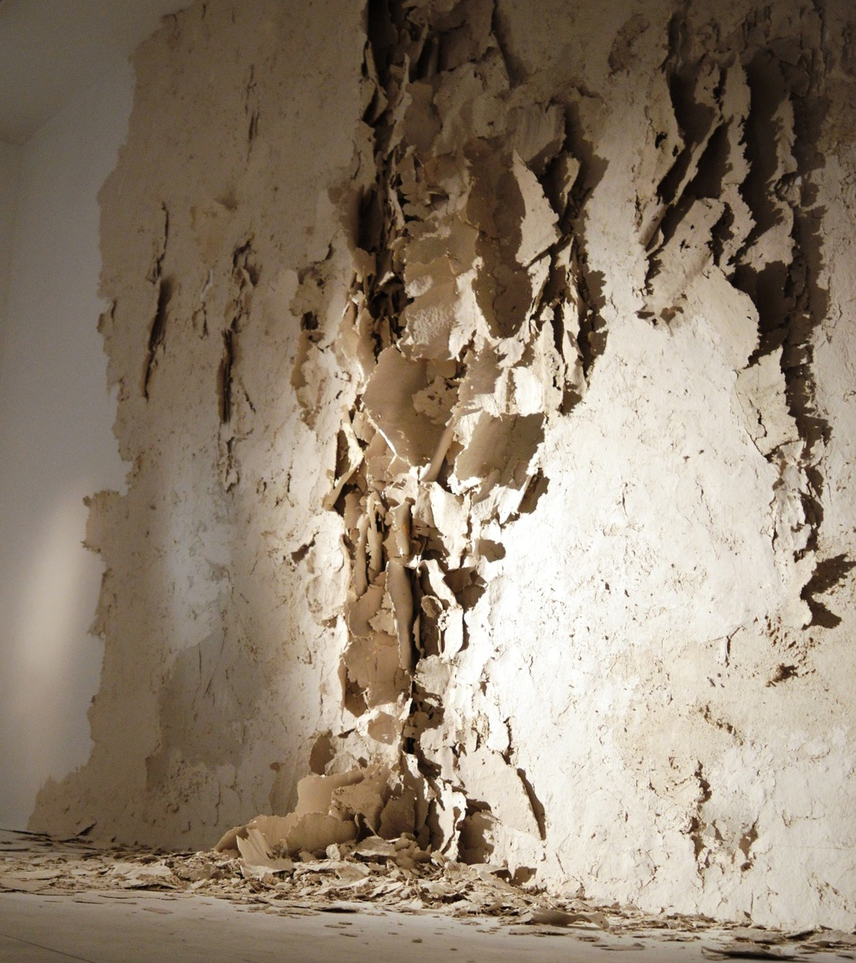
The exhibition becomes a stage for a newly created landscape, born from the tuning of earthly materials. The fragile and impermanent dimension is expressed through paper clay, while wood-fired objects contrast this with their claim for eternity. Just like we, as creators, seek our strength and acknowledge our fragility, materials also proceed from one state to another, acknowledging the supremacy of Nature’s rhythms. In different perspectives, dynamics are created by both direct and perceived allusions to figurativeness: someone has left their reflections here, somewhere we find long pauses, silence and tragedy. It is a poetic, composed landscape, inspiring longing, a desire to escape to, to be part of.
Helena Tuudelepp graduated in 2018 with Master’s degree at the Ceramics Department of EAA. She is a member of the Estonian Association of Ceramists, has participated in various group and personal exhibitions since 2015. In 2016, she was bestowed the Ilmar Palmi Award of the Ceramics Department of the Estonian Academy of Arts, as well as the 2018 Young Applied Artist Award for her TASE18 thesis exhibition work. Helena’s favorite material is paper clay, through which she observes the transformation of the material, its dynamics during the drying process and the development of unique forms and details. She does not fire her paper clay works and reuses the material in her next projects.
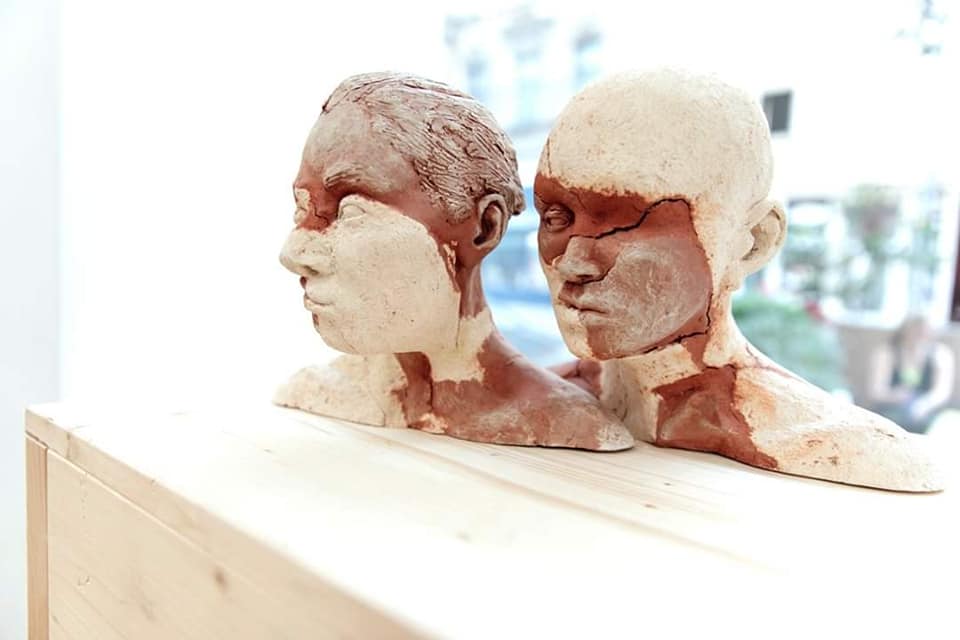
Anna Steinhäusler is an Austrian artist who works in the fields of painting, ceramics and restoration. In addition to completing her degree in painting at the University of Applied Arts in Vienna, she studied for a year at the Department of Fine Arts at the University of Newcastle in England. Her paintings and sculptures have been part of national and international solo and group exhibitions, art fairs and collections. Her desire to work as a painter in the field of ceramics deepened through her participation in wood firing workshops. She first got to know this ceramic firing technique in 2017, by participating in the Kohila Symposium in Estonia. This was followed by further training at international ceramics centres such as Guldagegaard in Denmark, at the Centre of Contemporary Ceramics in La Borne, France and the International Ceramics Studio in Kecskemét, Hungary. Anna’s figurative artworks are characterised by her decision to depict subjects in a connected way – for example, showing networks of relationships instead of isolated people. She sees the medium of wood firing as an important feature of her art, utilizing it to reawaken a fascination for nature and life in relationships.
Margit Terasmees is a designer and ceramist. She graduated from the Tartu School of Arts, majoring in textile art, and EAA’s design department, BA. She’s a member of the Estonian Ceramists’ Association.
She has participated in various group exhibitions since 2015 with both her drawings and sculptural forms. Margit has improved her knowledge at the International Ceramics Centers in Guldagergaard, Denmark and Kecskemét, Hungary, as well as at the Kuu Glass and Ceramics Center in Mallusjoki, Finland. In 2024, she participated in the international symposium of wood-fired ceramics in Kohila. Margit specialises in creating mainly functional ceramics, but also sculptural forms, in wood-fired kilns. Some important aspects of her work include managing the synergy of fire and ash during the long firing in the wood kiln, as well as the enhancing and tuning of the material. She is dedicated to testing and developing various ceramic bodies and glazes suitable for wood firing, and she conducts cooperative firings in various wood kilns in Estonia. In 2019, she laid the foundations for her own wood-burning kiln in Linnaaluste, Raplamaa.
Materials and techniques
Paper clay
Helena Tuudelepp: Most of the material used for the creation of my exhibition works – paper clay – does not go through the firing process; the details remain at a stage that allows the material to be reprocessed and reused. In my works, I focus on the stages that take place between the drying of the material and the moment when it is reunited with the original mass.
Fusion, adaptation, pause, dissolution – stages that in the creative process form a movement; one that I would call a kind of transition of the material – going from one state to another. If part of a mass gets separated and turned into a detail, the separation is not final, but only an intermediate phase. When the detail dissolves into the mass, the detail merges back into its origins, giving me the opportunity for the creation of new output. I’m working and communicating with the material and/or myself – looking for strength, acknowledging fragility, attempting to find an equilibrium, relentlessly wandering in the landscapes of the soul.
Wood-firing
Margit Terasmees: Wood-firing of ceramics is an ancient art of taming fire, which contains both mysticism and mystery as well as cooperation with the forces of nature.
An oxygen-poor atmosphere is created in the wood-heated kiln, which, in contact with the metal oxides in the ceramic body and glazes, brings out the unique essence of the material. The fired surface is like a 3-dimensional canvas painted by the fire flowing in the kiln and the flying ashes. The authenticity of this technique touches the creator deeply; in its presence, one can feel one’s own insignificance, because not all items come out of the kiln as winners.
Anna Steinhäuslser: Through wood firing, people enter into a dialogue with Nature. The kiln is heated with wood and a long flame takes the resulting wood ash on its trajectory through the kiln, touching the receptive clay bodies along the way.
During long firings, wood ash settles on top of the sculptures like constantly falling snow. In the intense heat, the ash reacts with the clay and a polychrome glass skin grows on the clay bodies. These colours are born from the oxides of metals that trees have absorbed from the Earth. At the end of the firing process, one encounters ceramics that have become part of Nature. With their complex surfaces, which can be constantly explored anew, the ceramic pieces are witnesses to Life, which shows itself in multifaceted expression and develops in its relationships.
Sponsored by Cultural Endowment of Estonia.
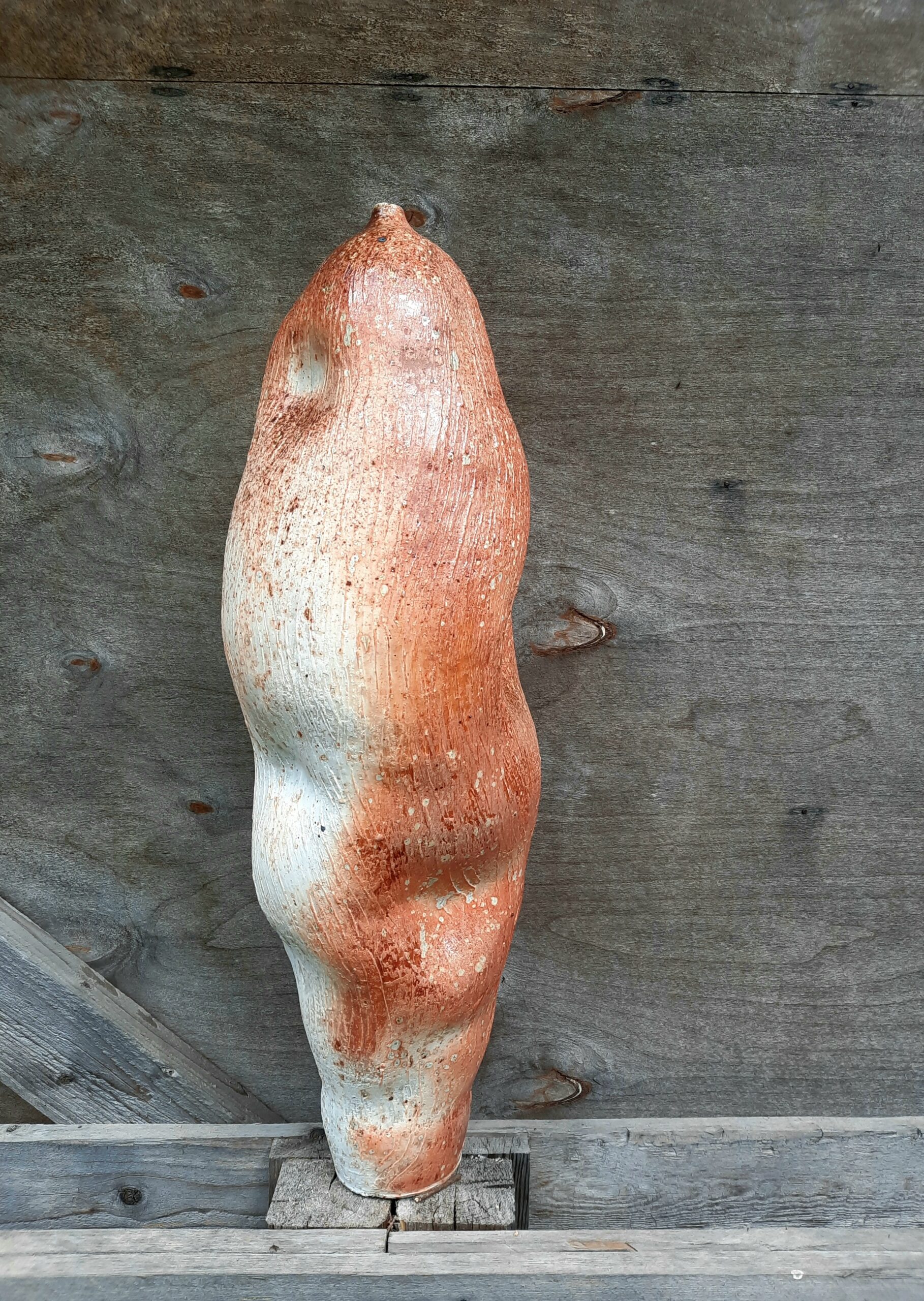
Anna Steinhäusler www.annasteinhaeusler.com
Helena Tuudelepp www.helenatuudelepp.com
Margit Terasmees
On Unknown Waters
25.10. – 17.11 2024
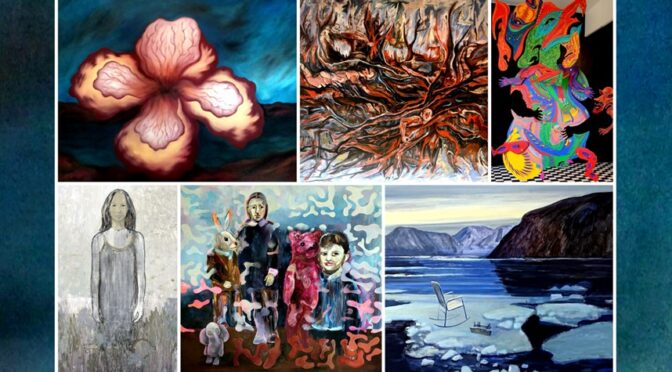
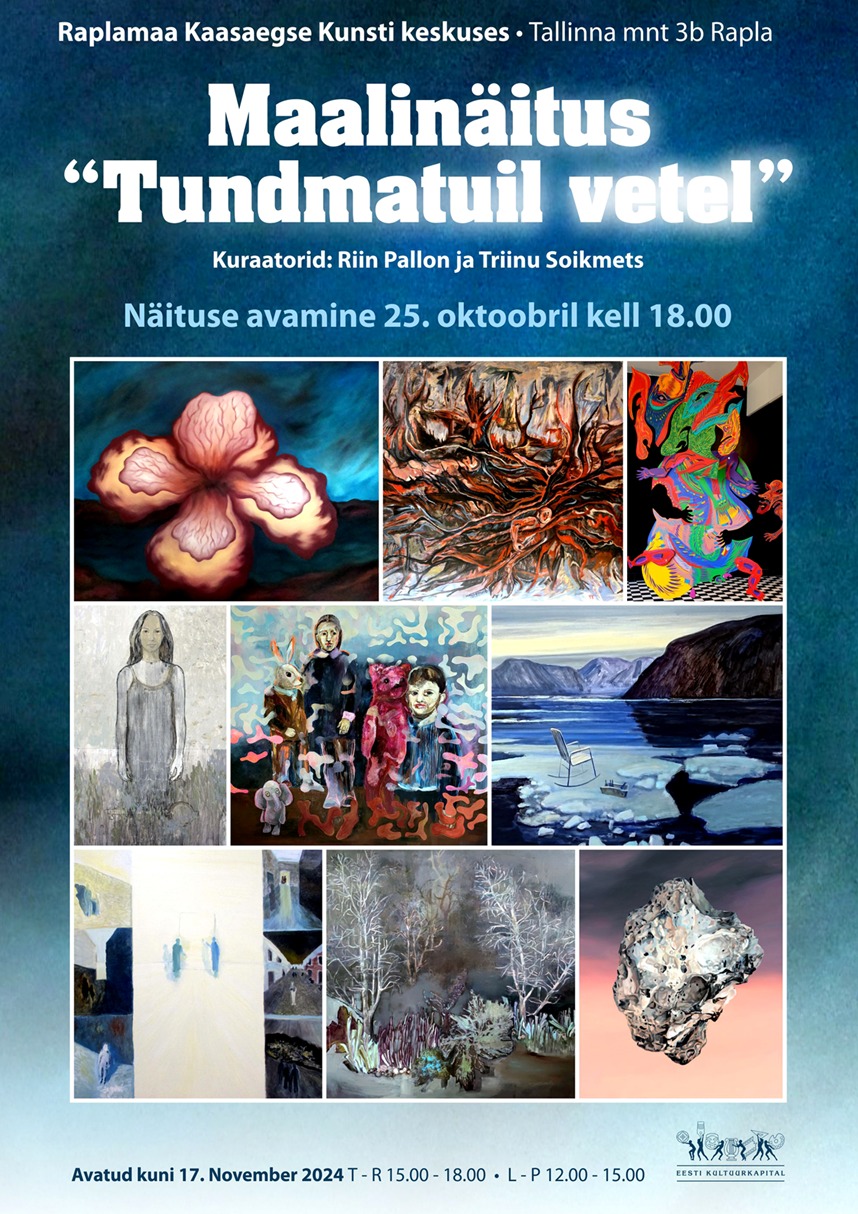
On Friday, October 25 at 18:00, the Rapla County Centre for Contemporary Art will open an exhibition of paintings titled “On Unknown Waters,” which focuses on the symbolism of water as a reflection of emotional states and diving beneath their surface, into the deep currents of the subconscious. The exhibition features nine contemporary artists, each of whom approaches the themes of the exhibition from their own angle.
In the paintings at the exhibition, there is a sense of enchantment – a delicate balancing act between beauty and nightmare, leading the viewer through the world of brushstrokes, where images and meanings reappear in ever new forms, carrying layers of symbols and hidden subtexts. For example, in dreams, a calm surface of water symbolises emotional balance, and a stormy sea symbolises anxiety, ice apathy and rain cleansing. In painting, water can take on other forms that are similar in appearance, while the search for this form, i.e. the painting process itself, can be equivalent to wandering and wandering through the landscapes of the soul and emotional fields.
The structure of the exhibition is divided into four rooms – “Layers of History”, “Spinning in the Subconscious”, “The Future Will Come Tomorrow” and “On Distant Waters” – to which additional nooks and crannies are added. Thus, a journey into the past, the journey of being human and the twists and turns of the subconscious, apocalyptic moods and utopias of the future, distant journeys and reflections of the world, but also water in the sense that it is one of our main components, making up two-thirds of the human body mass.
Riin Pallon’s paintings create tense atmospheres where the viewer finds themselves in a kind of dizzying state – looking for balance, but always stumbling a little. Her works are visual simulacrums where reality and illusion intertwine, giving way to new realities that constantly appear and disappear.
Manfred Dubov, on the other hand, relates to his starting point as a curator through the position that the painting reflects individual and collective life, such as genocide or post-pandemic tensions.
Eleriin Ello’s work is based on nature motifs and the states and shades of light and shadow in such a way that even the meteoritic chunks of rock in her paintings seem delicate and sensitive.
Marta Stratskas contrasts her with psychological portraits and surreal figures in a colourful series that deals with a sense of family togetherness and love.
Leho Rubis’s figures, on the other hand, are solitary and separate, and even more restrained in colouring, speaking of consciousness and the field of perception, the poetry and reflections of the inner world, foggy landscapes and darkness during the day.
Jenny Grönholm’s paintings do not exude light either, but only an all-encompassing glow, against the background of which the figures alternately emerge and disappear – a symbolic circle of self-discovery.
The symbolism of Miina Barrera Pinochet, in turn, compares the clearing to the complexity of the human soul, rooting in a foreign landscape to the process of purification, and the atmosphere to social relations.
Kalli Kalde deals with the theme of water, i.e. the most direct of the exhibition artists, depicting human figures with aquatic animals and birds in all possible shades of the big blue.
Finally, Maria-Kristiina Ulas goes beyond the expected standard of painting, i.e. the square canvas on the wall. For example, her plywood figure, sawn into the shape of a laughing Buddha, deals with the issues of the soft, proliferating human form, self-care, the birth of a new life and the generation of ideas.
Curators: Riin Pallon, Triinu Soikmets
Poster: Indrek Tuuga/Adograaf
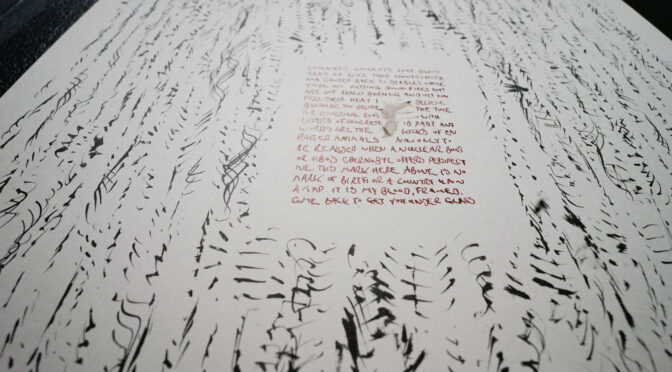
Mathura & S. J. Fowler. Kirikuju
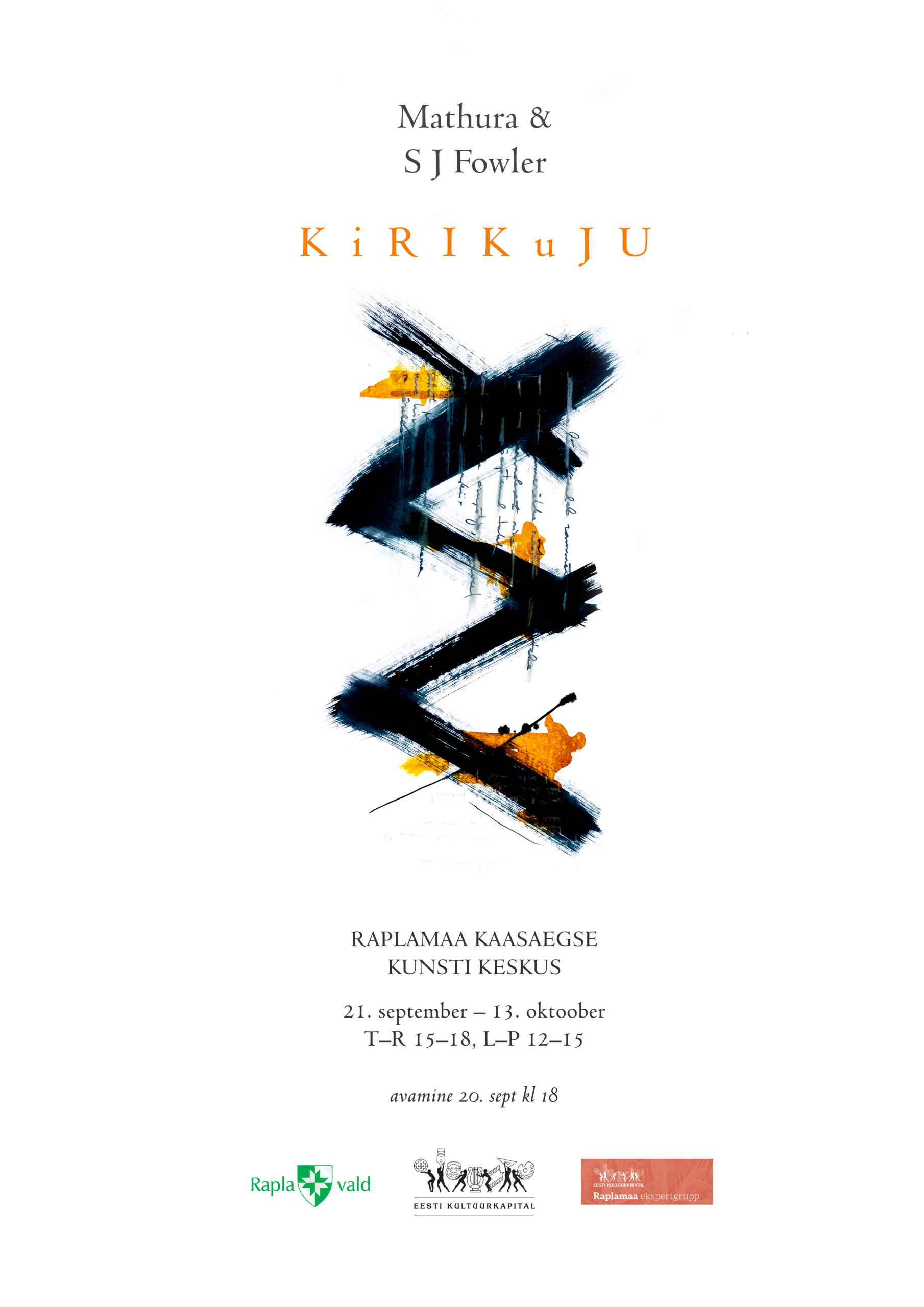 Kirikuju, an exhibition at Rapla Contemporary Arts Centre, Estonia, opening September 20th, 2024.
A collaborative exhibition by Mathura and SJ Fowler, from Estonia and the UK, respectively, is treading the borderland of the visual and the poetic, figurative and verbal. Employing asemic writing as well as other novel forms of artistic expression, it calls to examine the presence of meaning even in an unexplained world. Can the visual form of a word change its meaning? Is poetry an art of senses rather than words? What do cave paintings tell us in a digitalizing world? These are some of the questions posed by the exhibition.
A short film by British visual artist David Spittle, displayed at the exhibition, documents the work in process and explores its starting points.
Open at the Rapla County Centre for Contemporary Art (Tallinna mnt 3b, Rapla, 3rd floor) from Sept 21 to Oct 13. Tue-Fri 15-18, Sat-Sun 12-15.
Artist talk: Oct 12. at 14.00.
Thanks to: Cultural Endowment of Estonia, Rapla Commune.
A visit by the Ministry of Culture
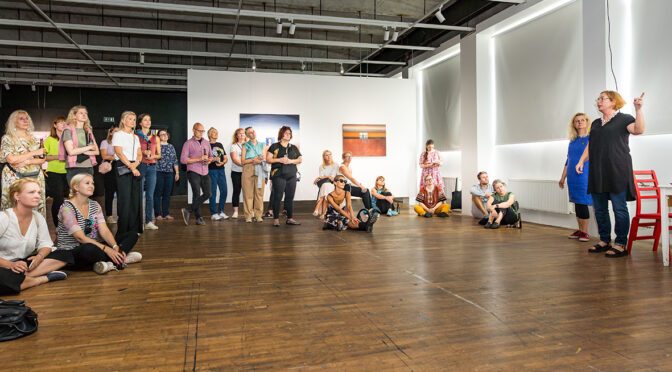
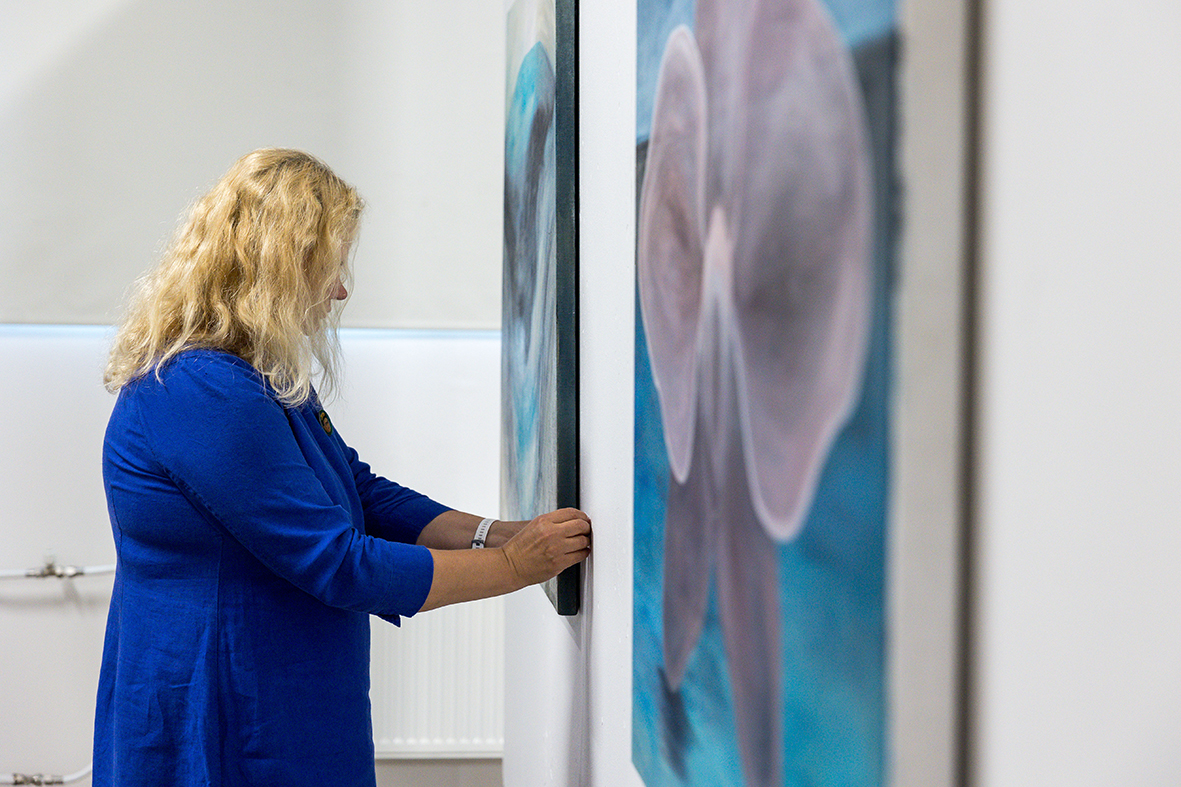
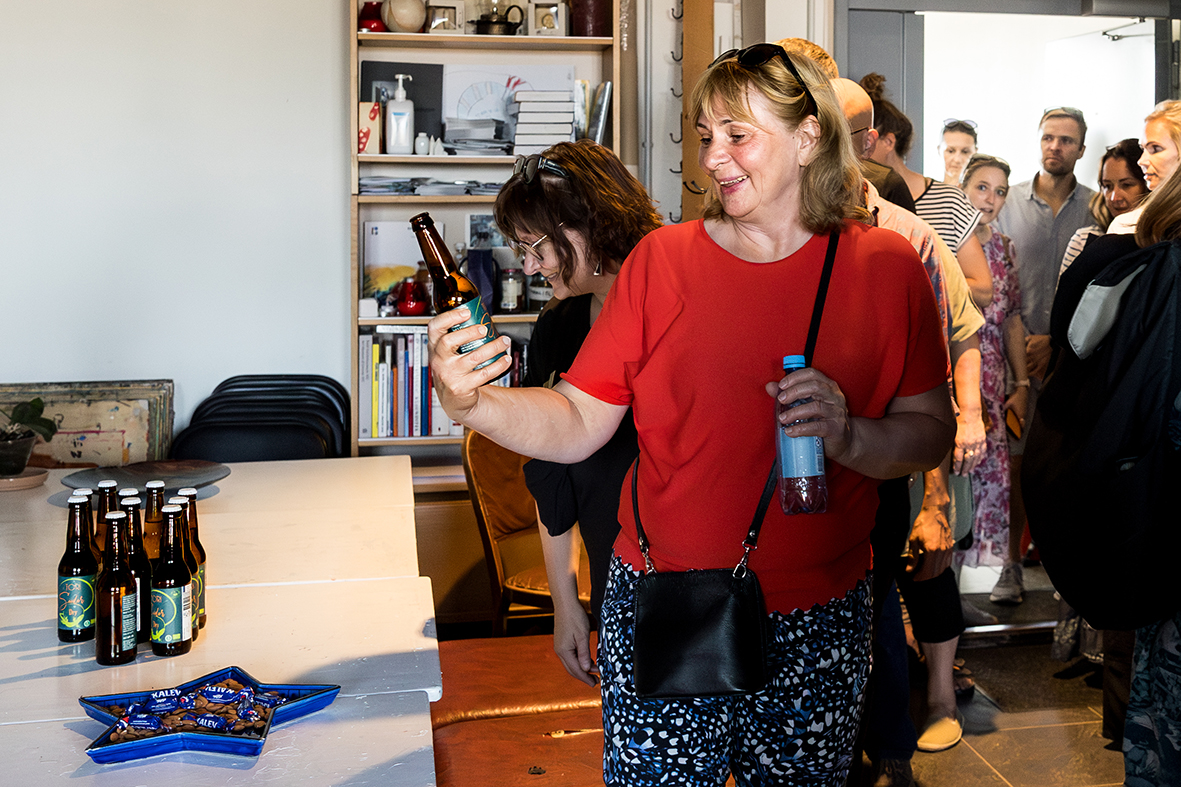
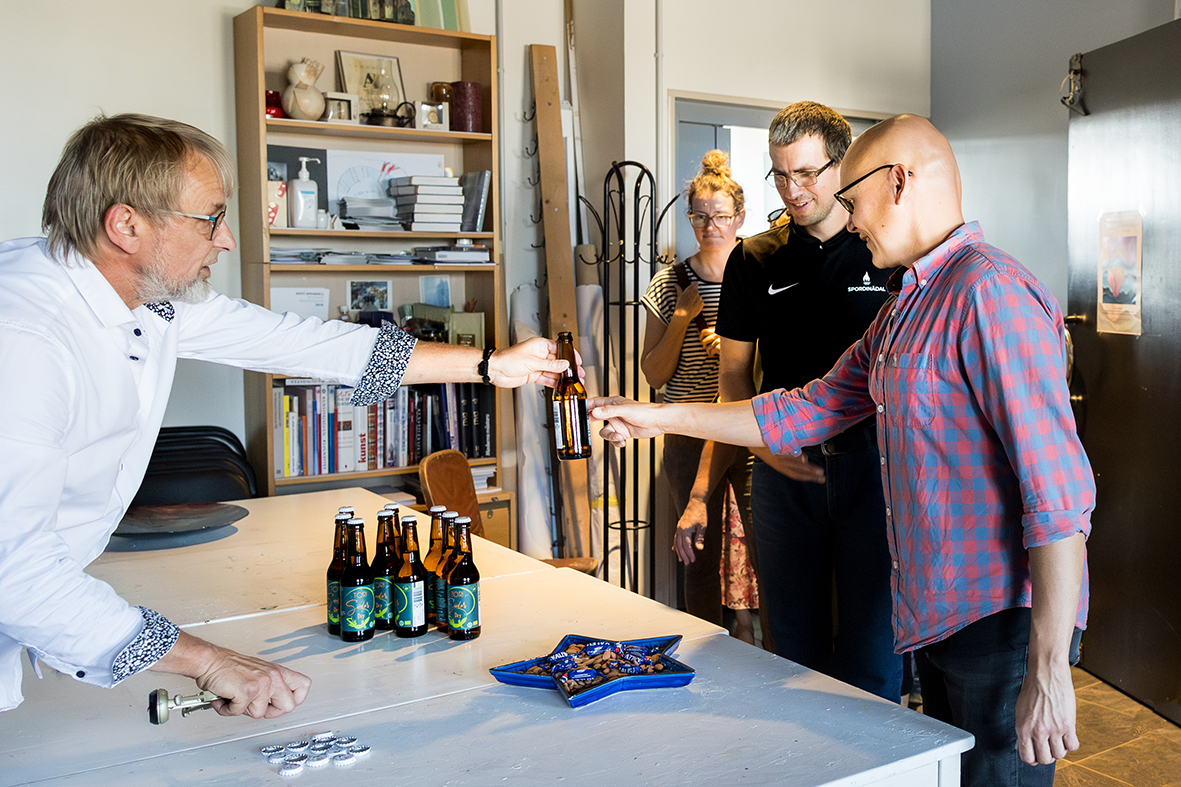
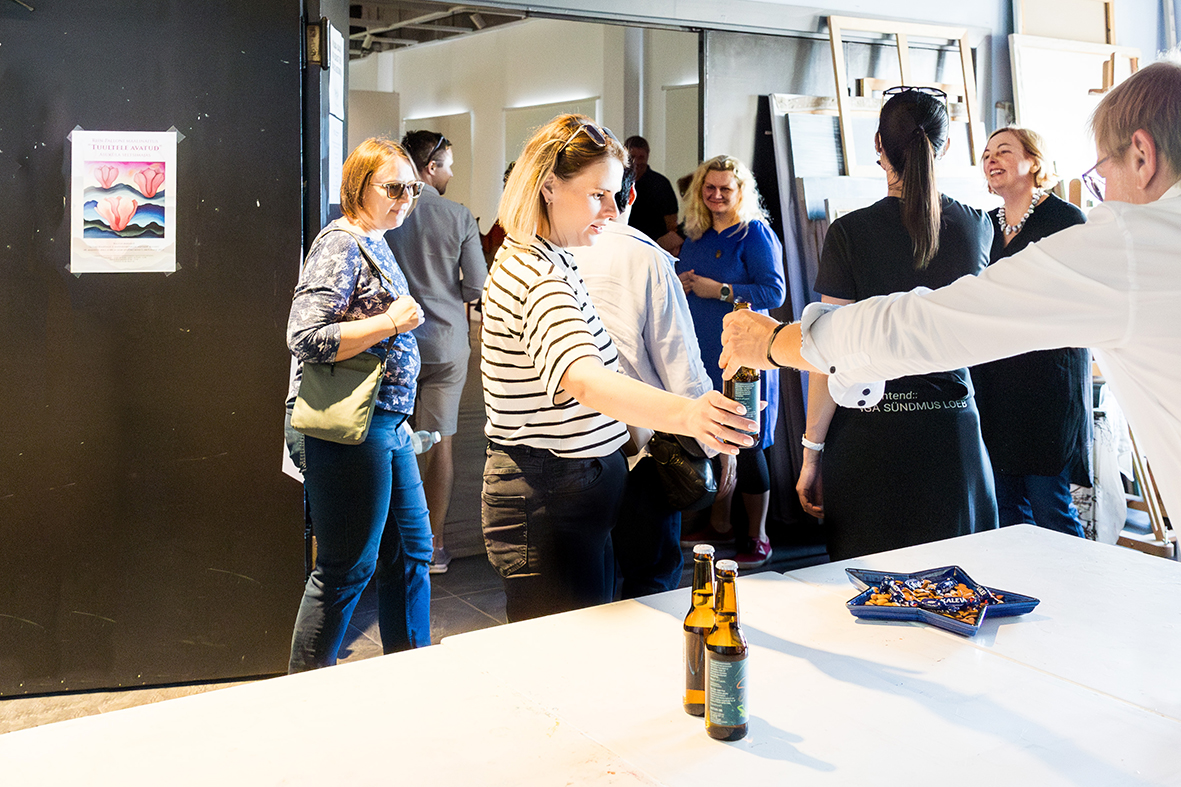
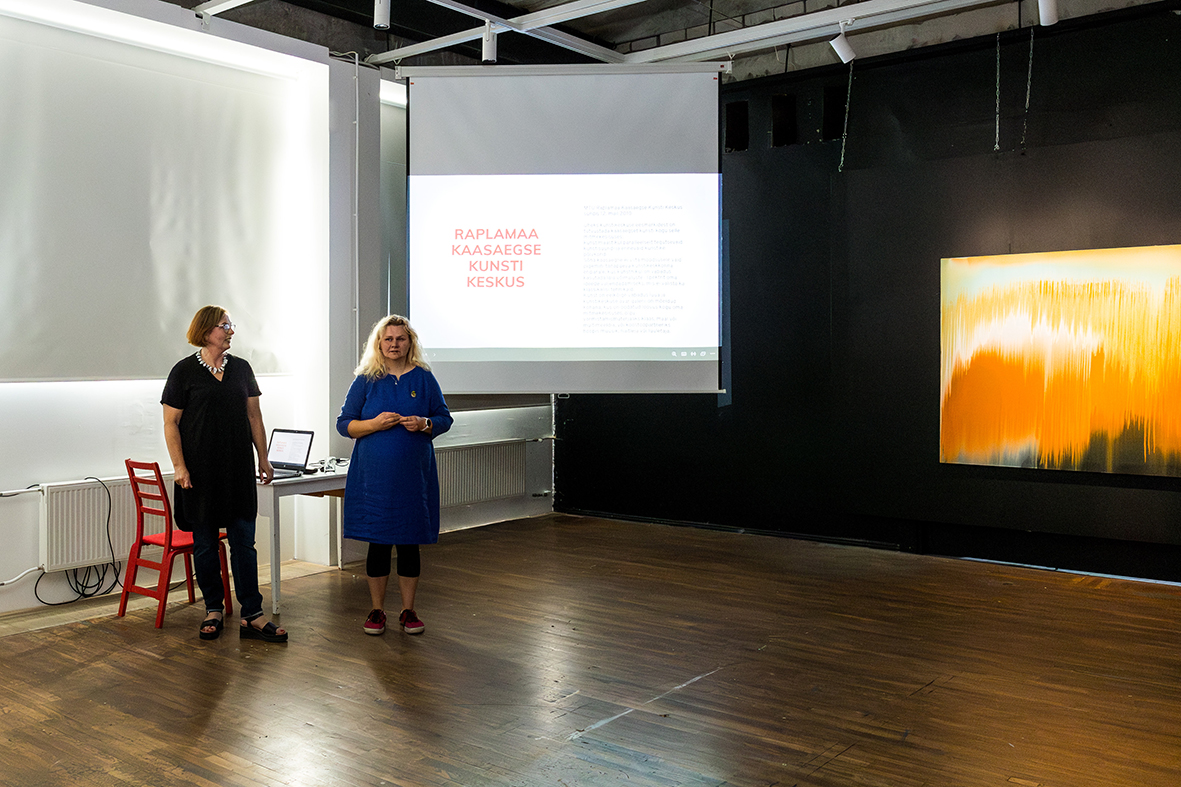
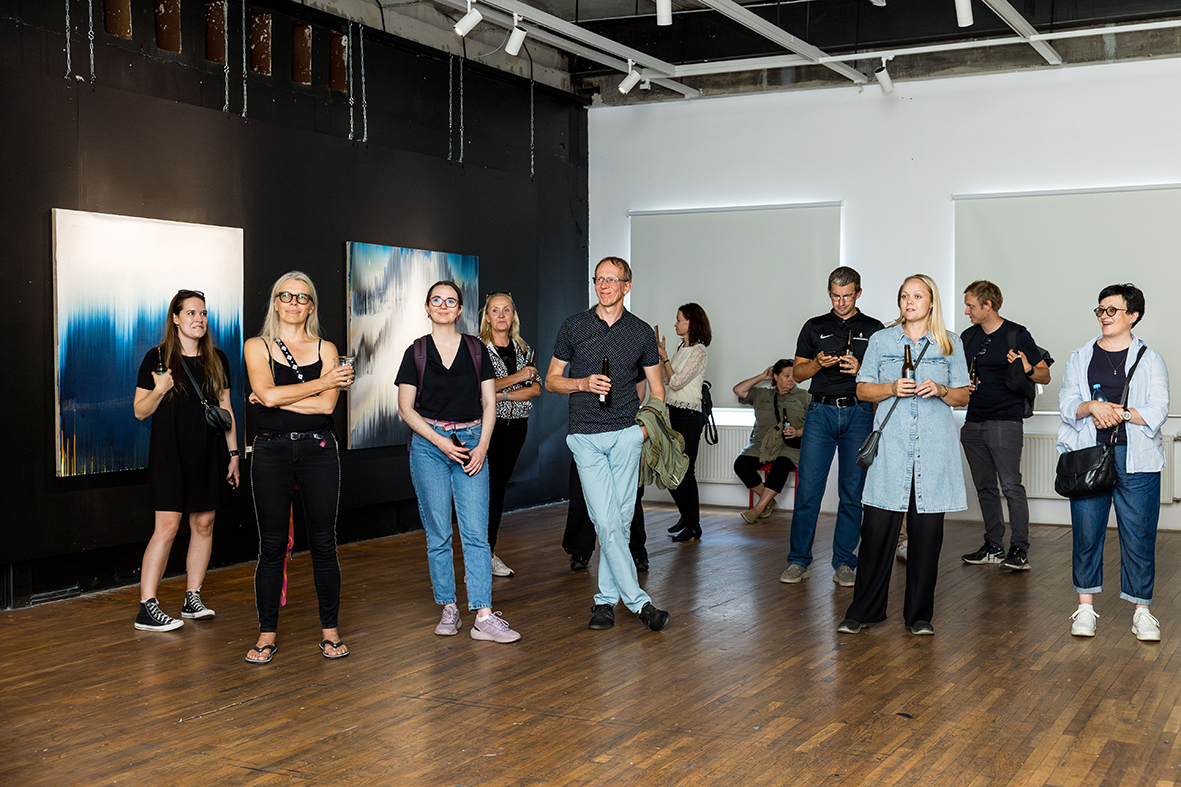
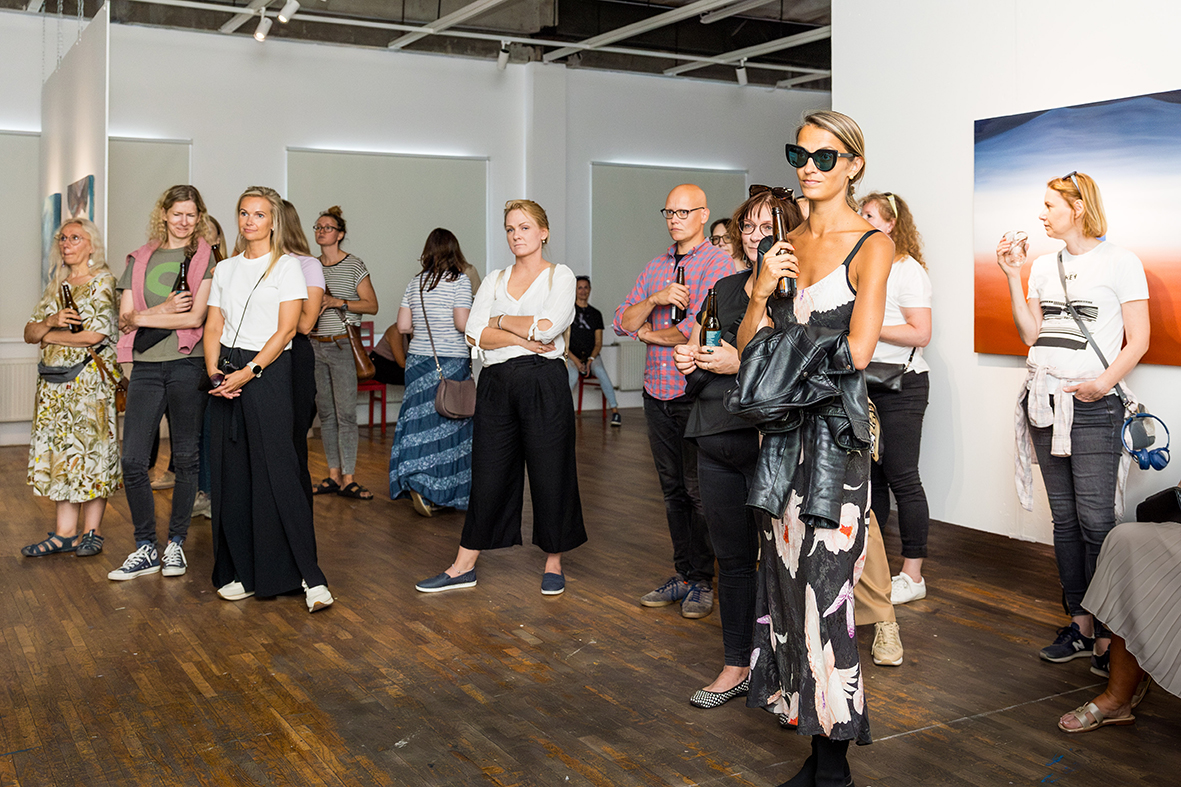
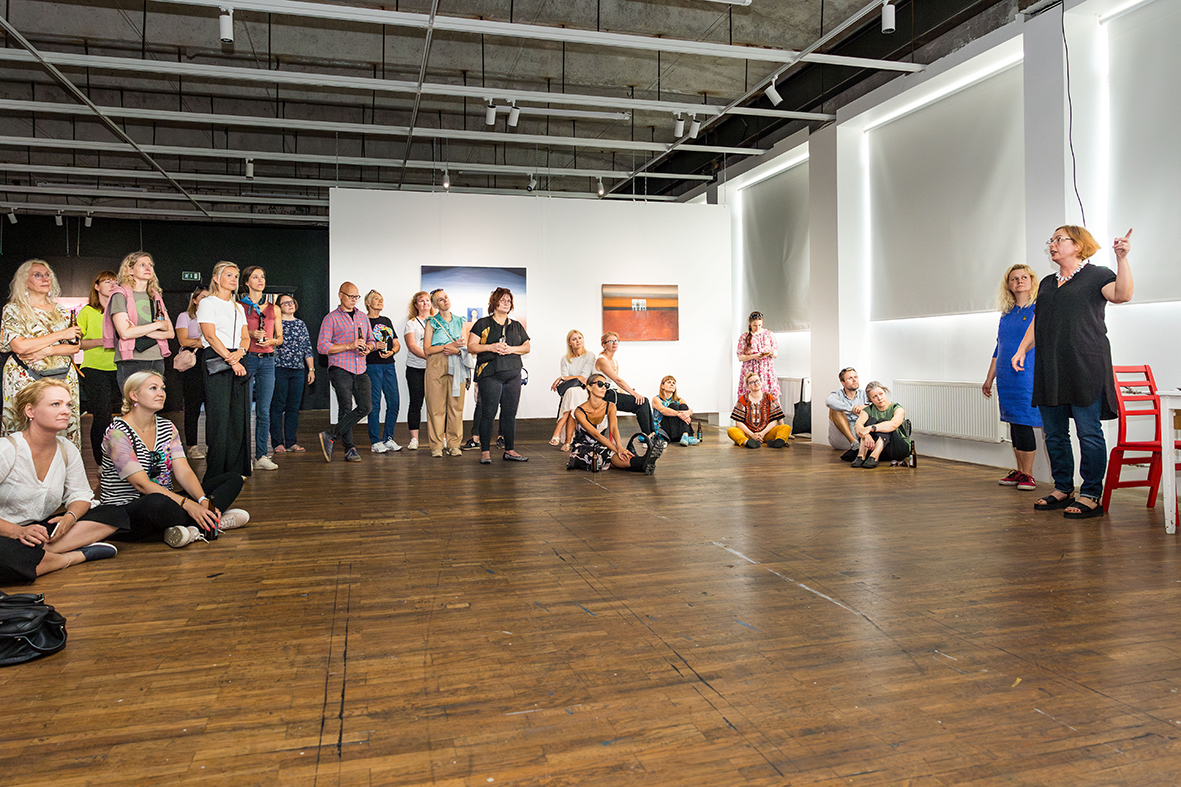
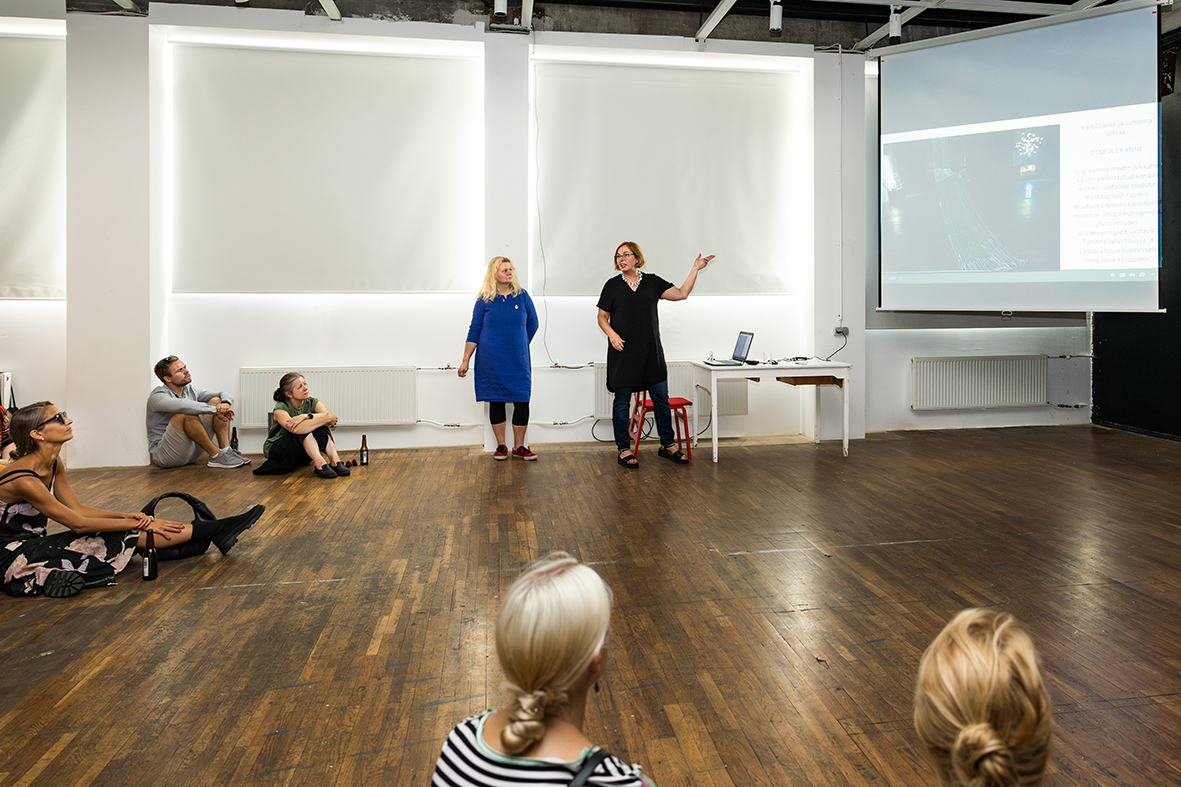
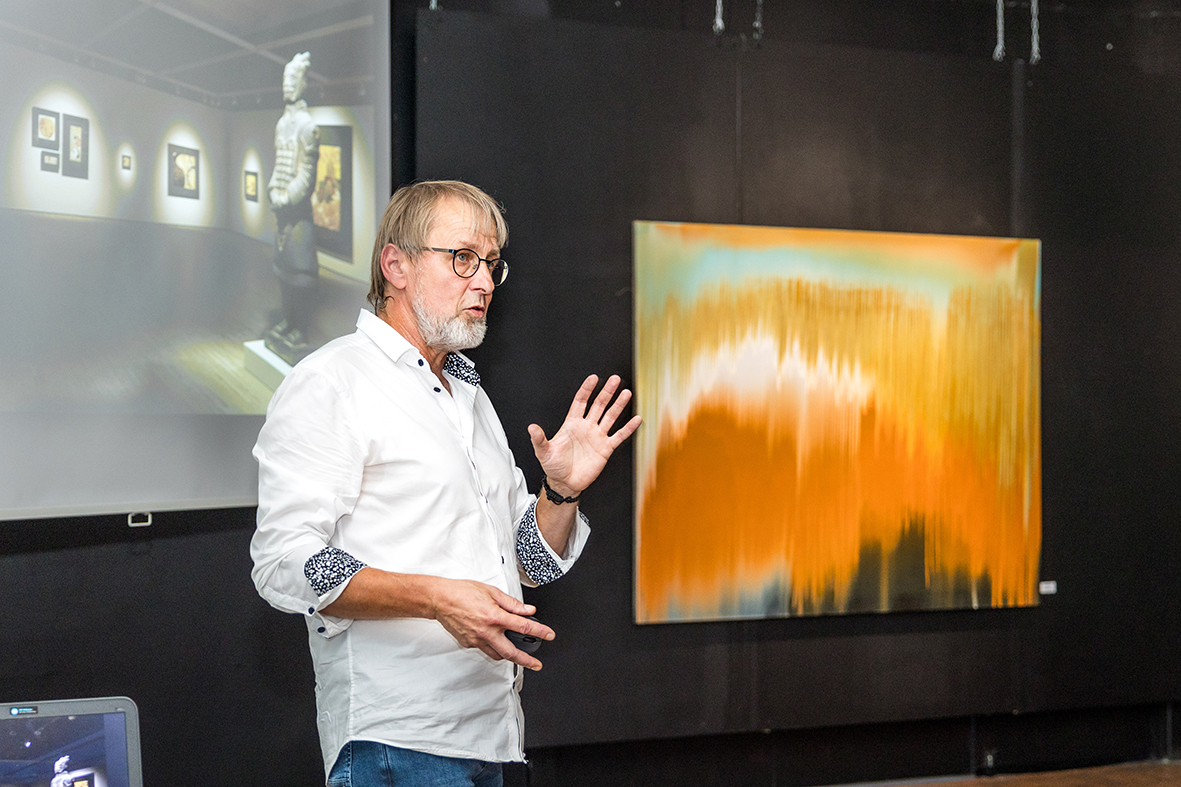
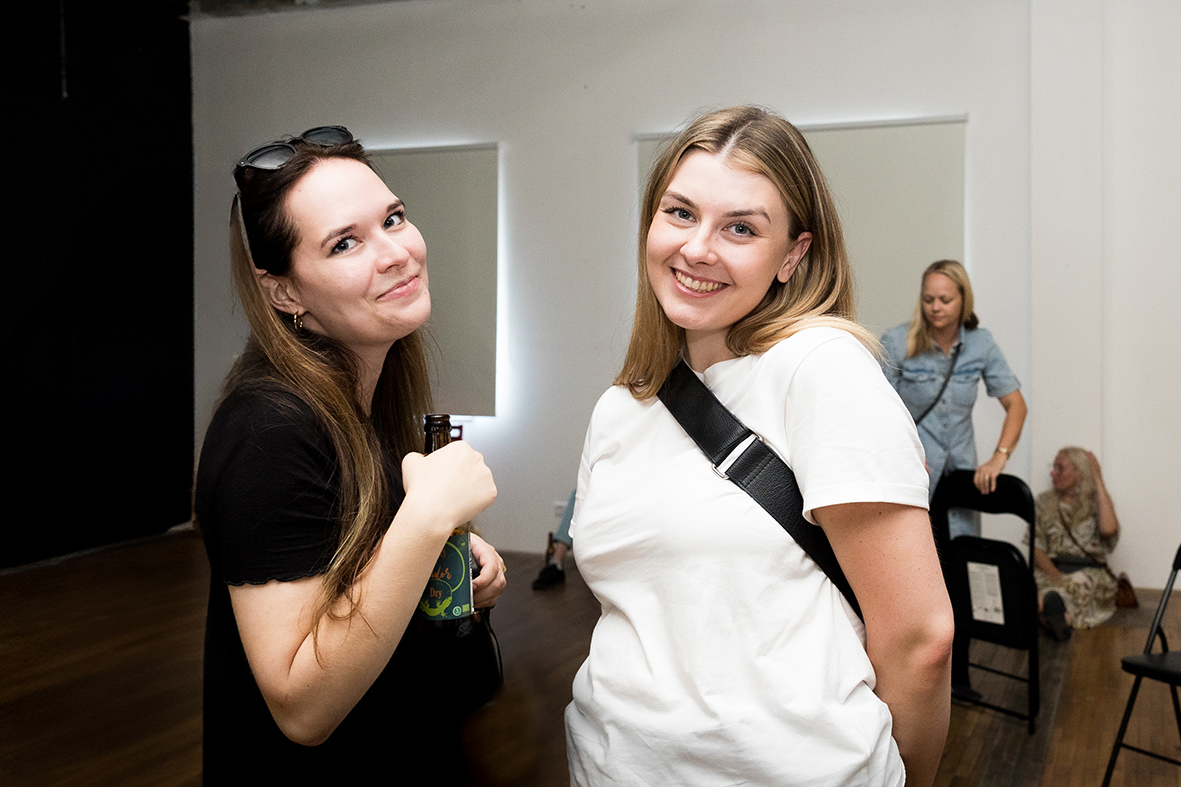
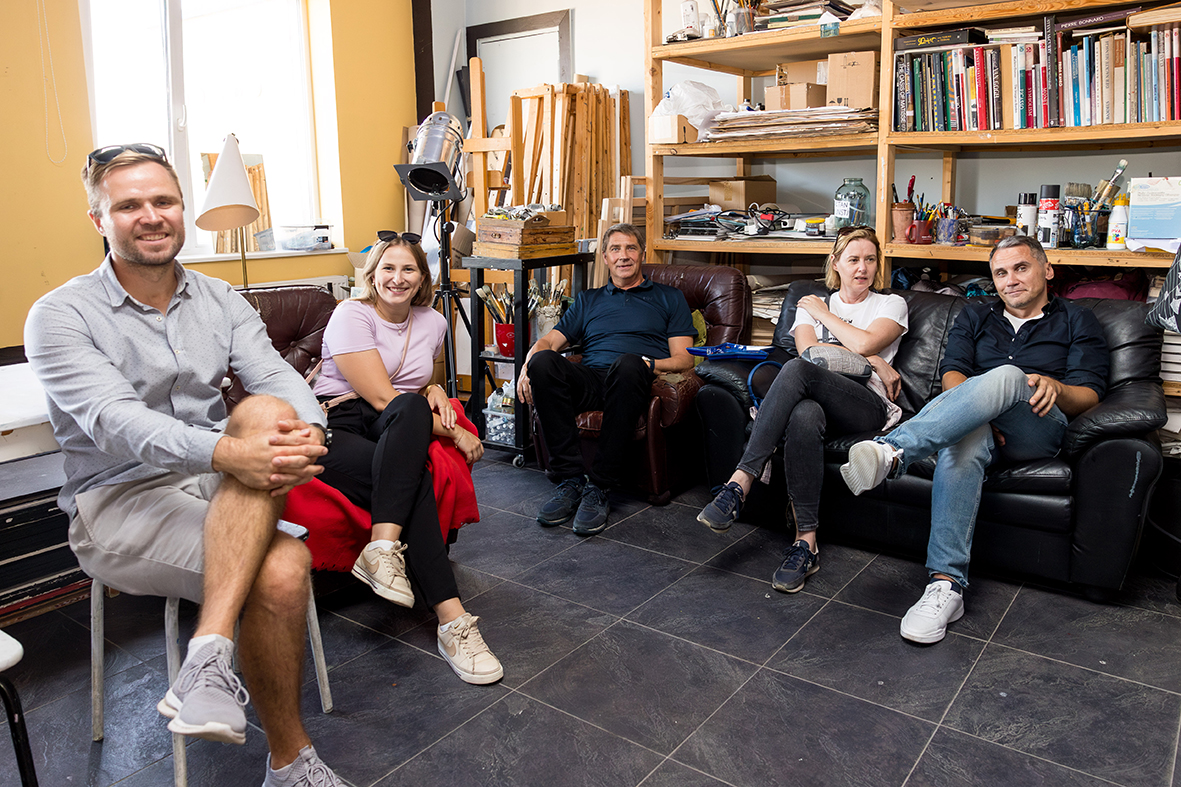
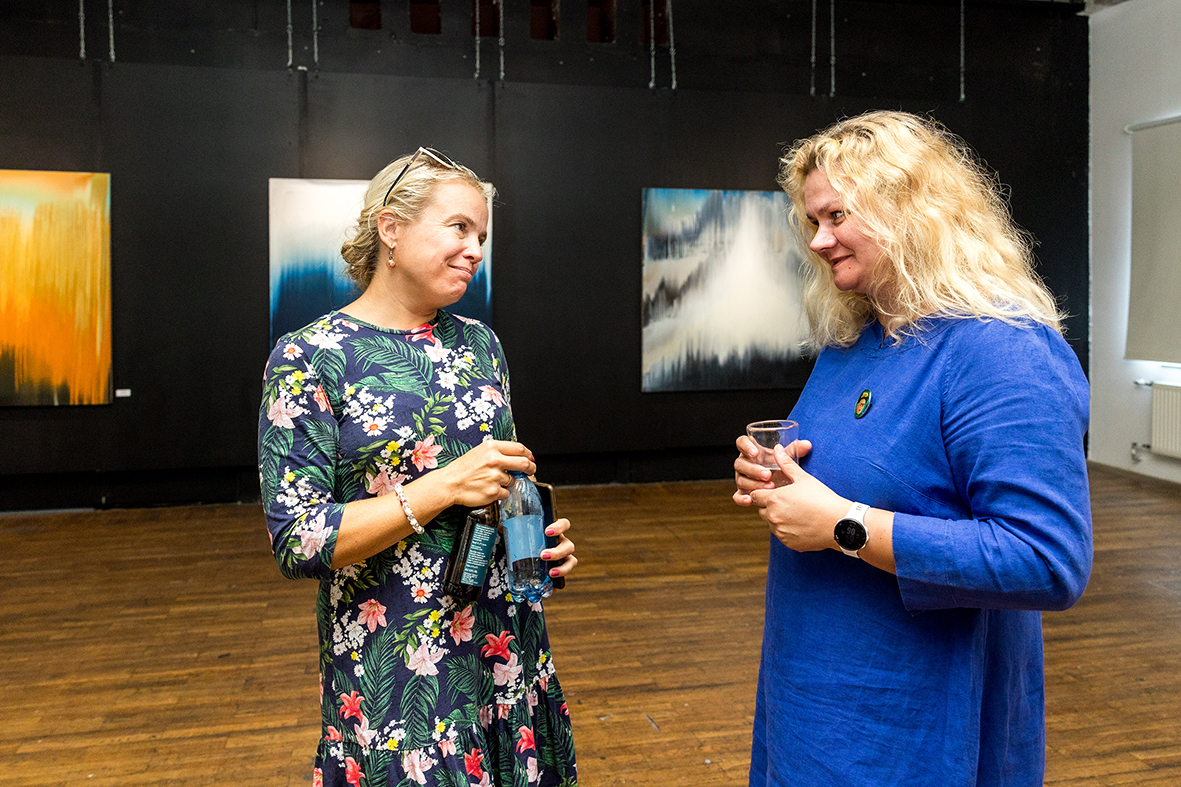
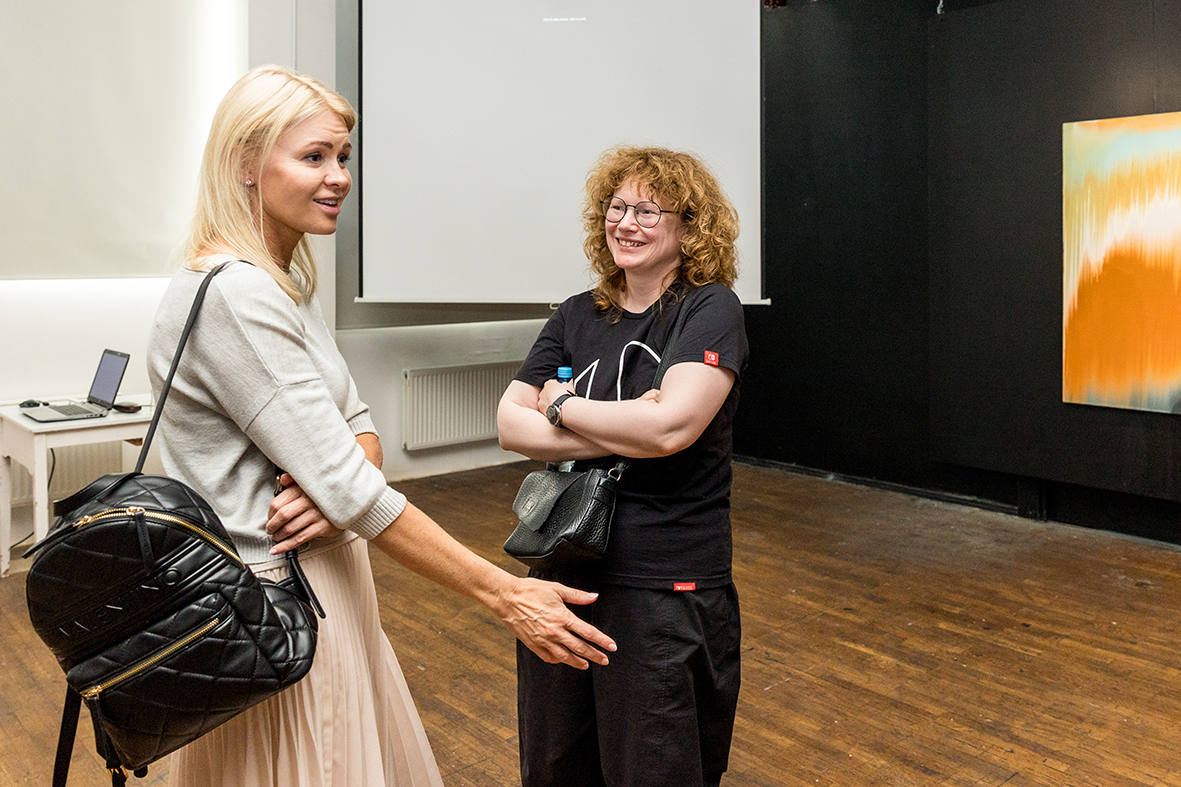
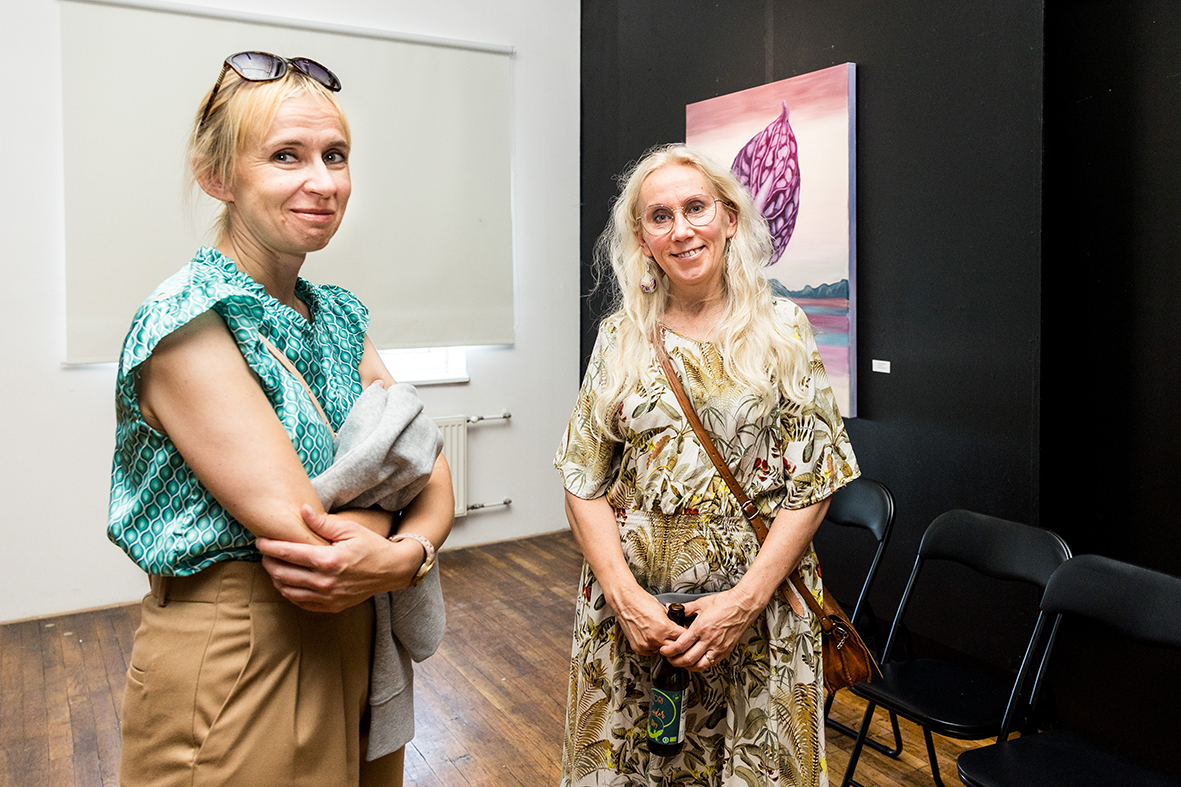
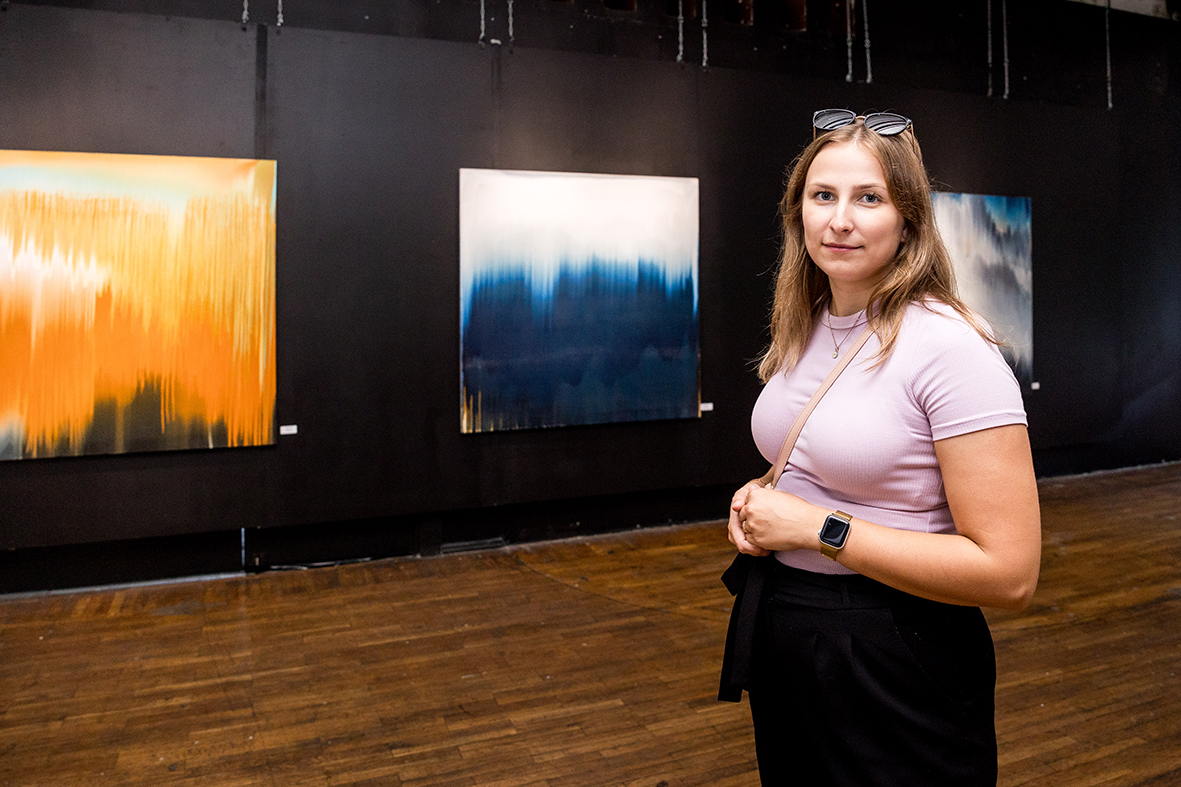
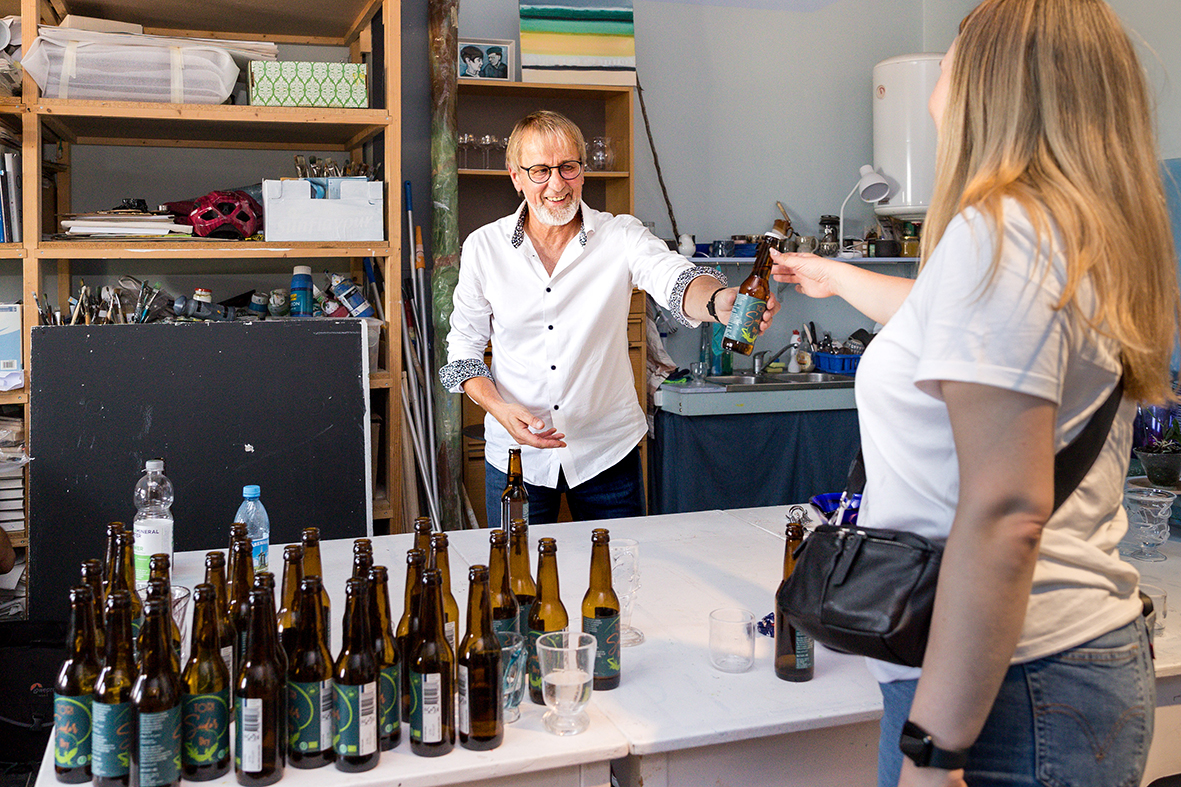
On August 29, 2024, the Ministry of Culture visited the Rapla County Contemporary Art Center (60 people). Kairi Orgusaar and Riin Pallon introduced the activities of the art centre in the background of the slide show. We also introduced the gallery’s new, newly completed lighting solution, and development expert Meelis Tähepõld gave an overview of the importance and principles of lighting. Guests could see a small exhibition of paintings by both artists-gallerists in the gallery. The thirst of the guests returning from the Rapla tour was quenched by the cider of the Tori Cider Farm.
Photos by Tiina Kõrtsini.
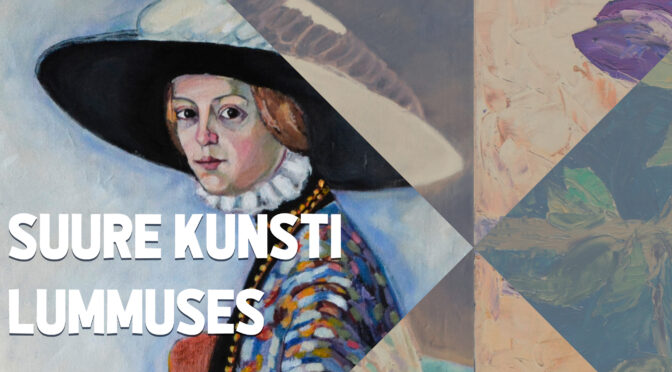
Enchanted by Great Art
Copying is one of the methods by which painters learn their craft. Students of the RCCCA painting course have created copies of great artworks, including authors such as Leonardo da Vinci, Jüri Arrak, Vincent Van Gogh, Navitrolla, Konrad Mägi and others.
The exhibition also features a number of original artworks.
Participants: Maiu Albo, Mikk Allas, Mai Klemmer, Eha Koit, Avo Päädam, Editha Salm, Olga Sokk, Ave Tislar, Eteri Tõlgo ja Siret Varimõis.
Exhibition design: Eteri Tõlgo
Poster design: Markus Orgusaar
Poster design: Markus Orgusaar
Open 04.05 – 19.05.2024.
President Karis visits the RCCCA
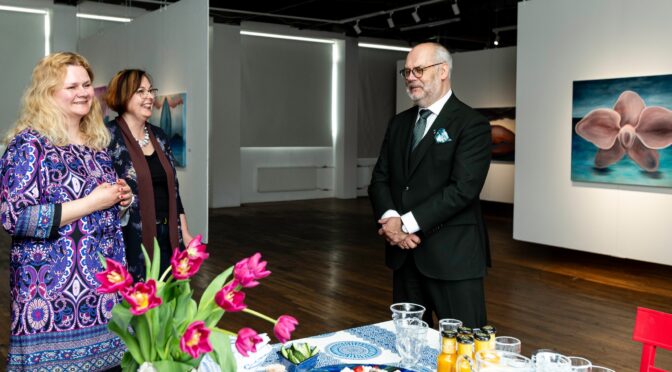
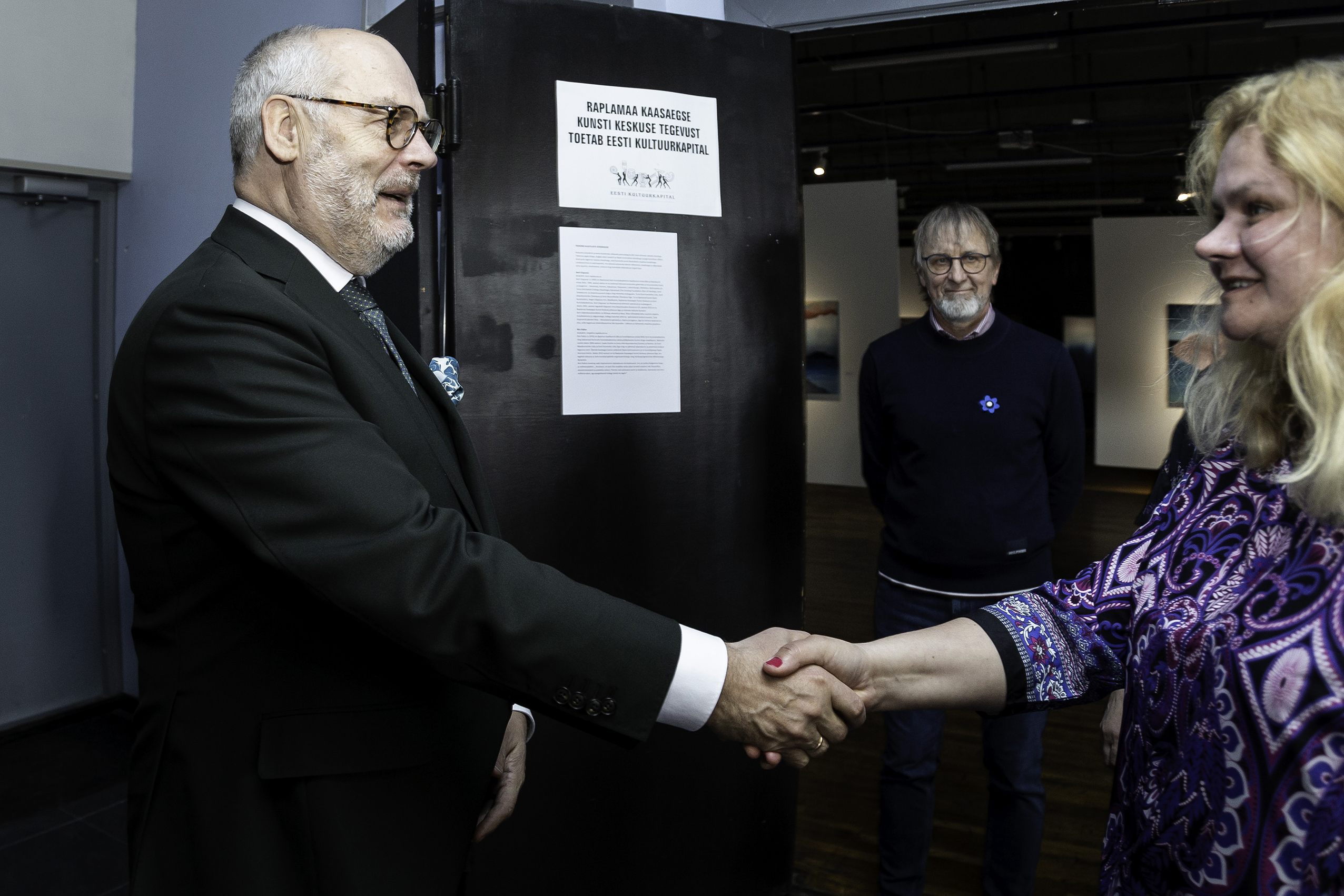
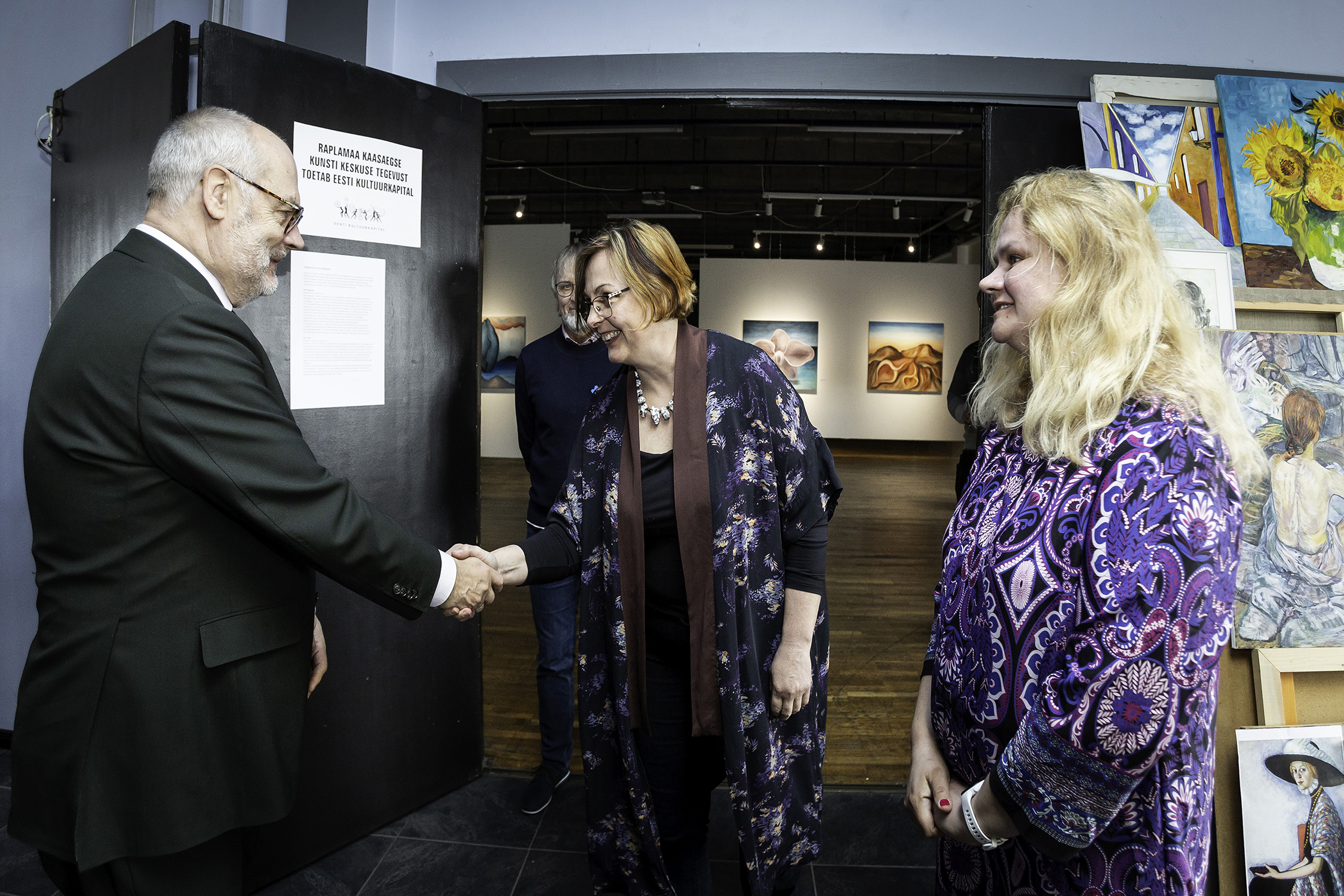
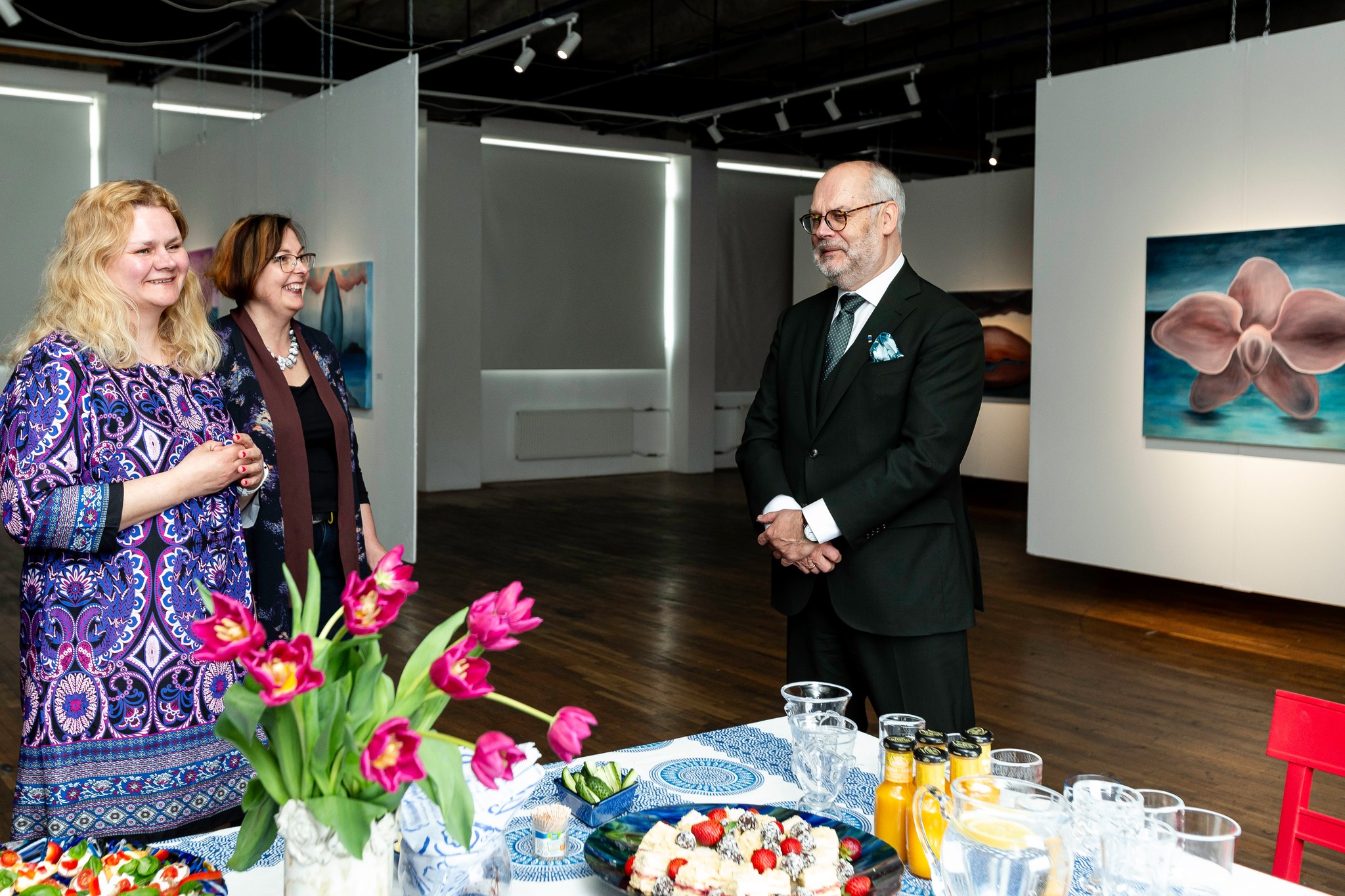
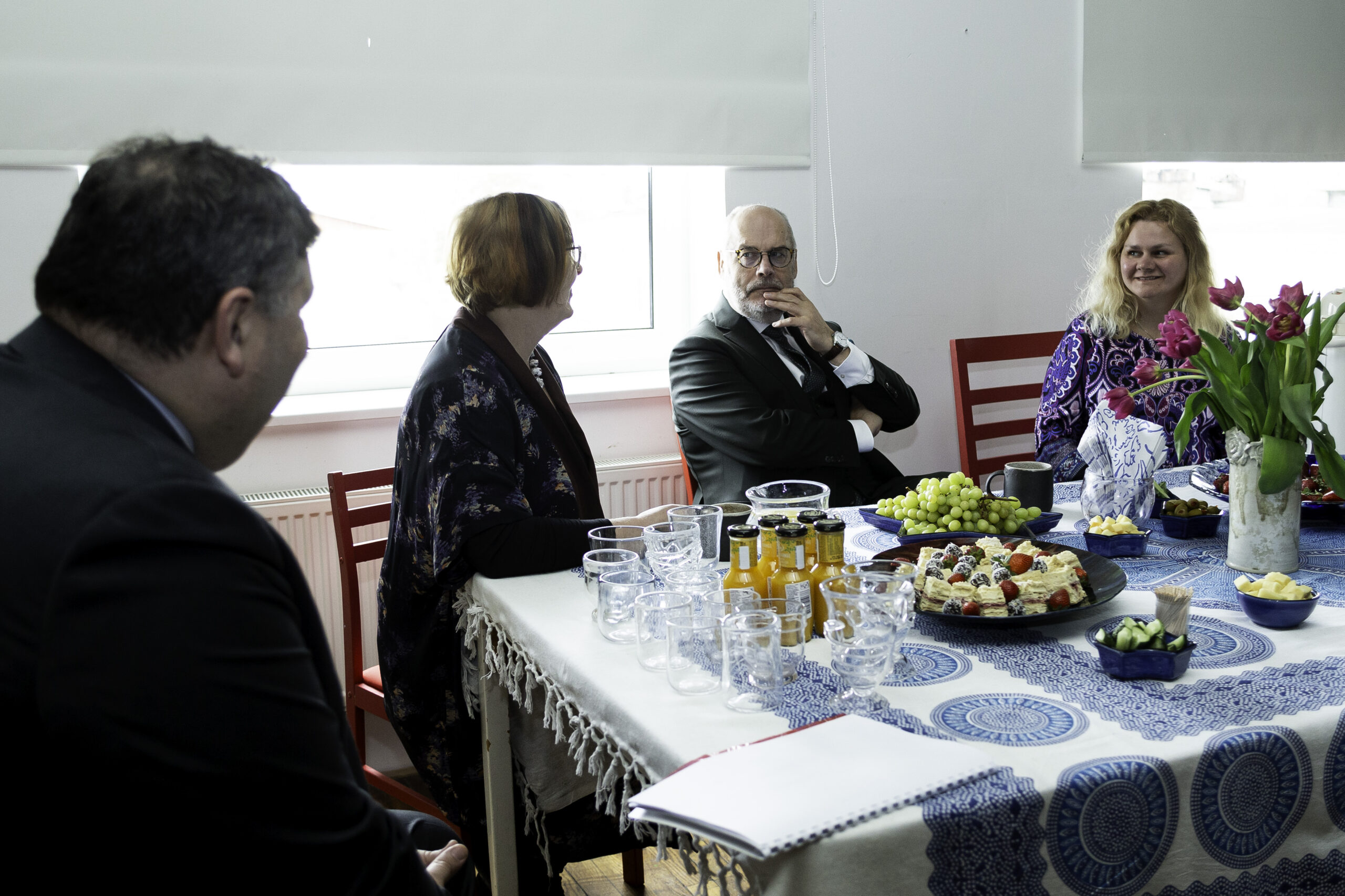
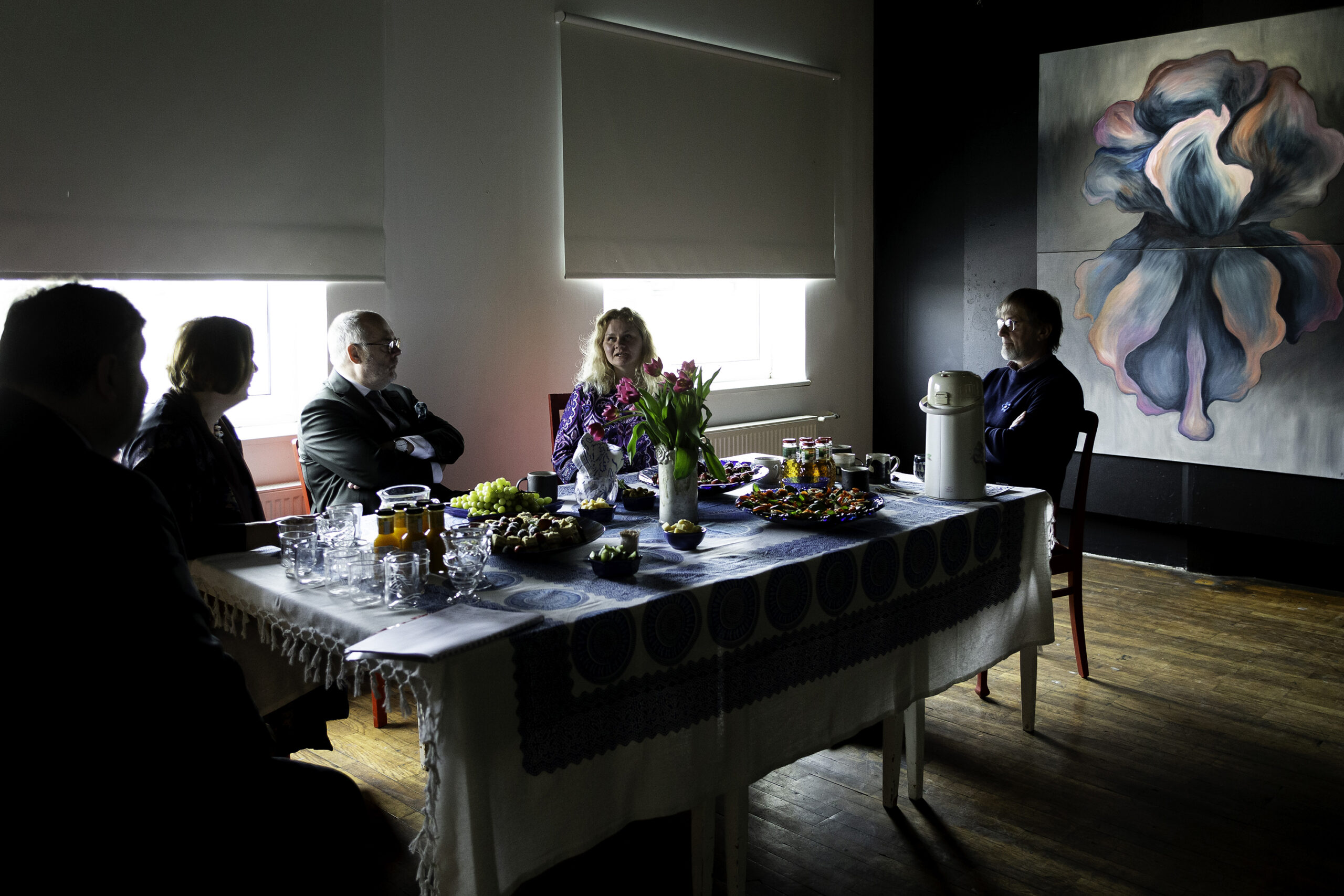
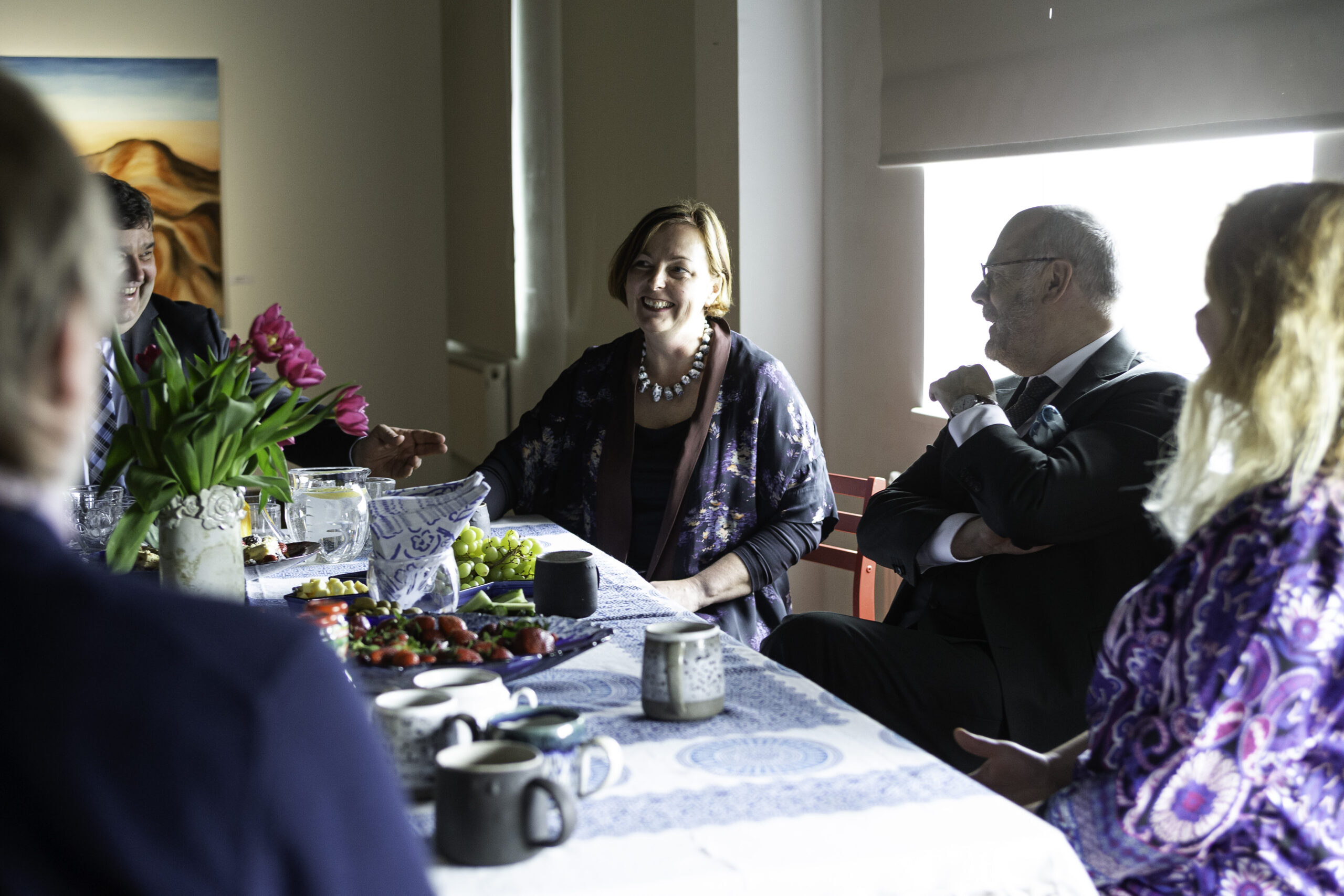
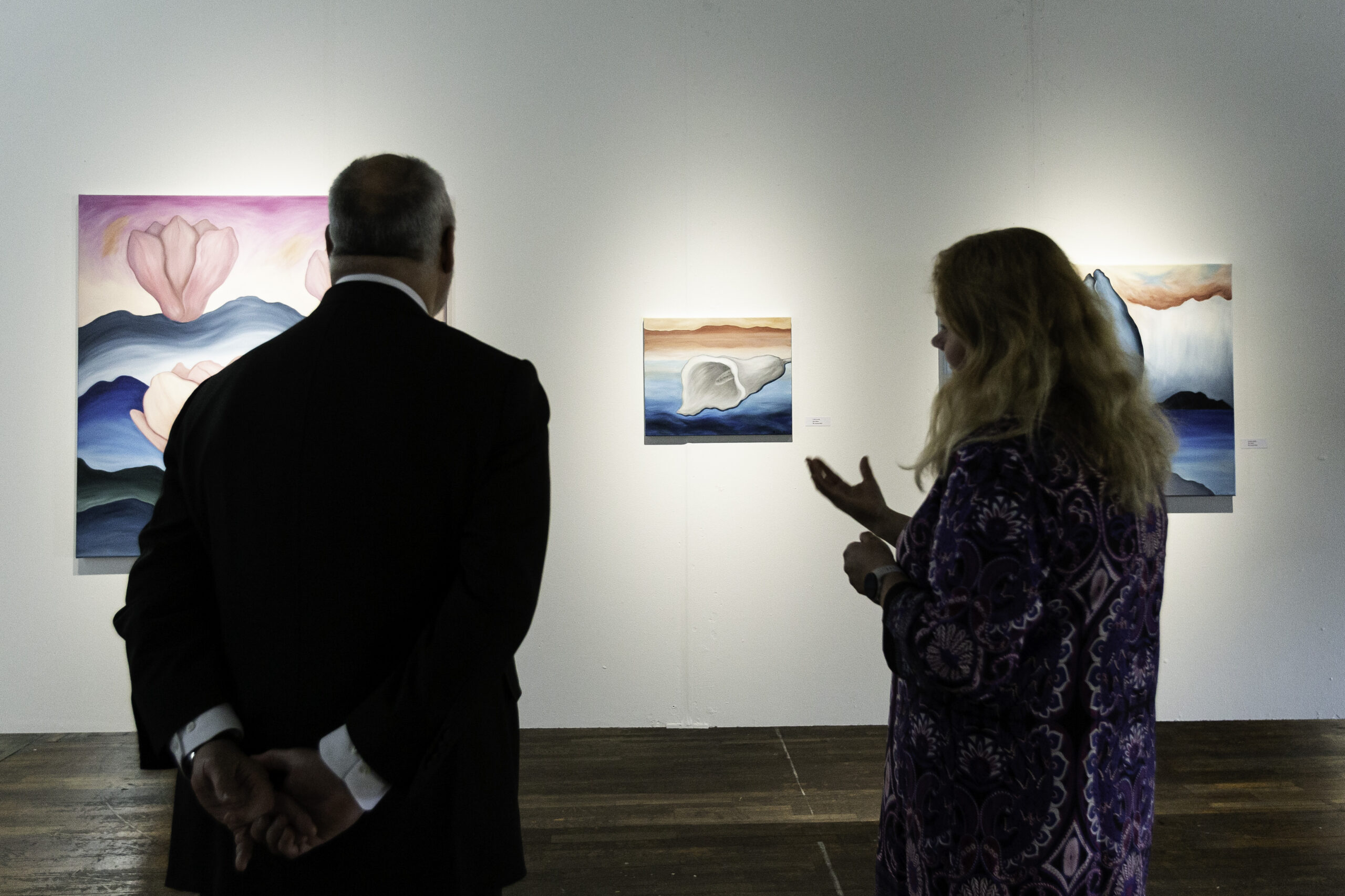
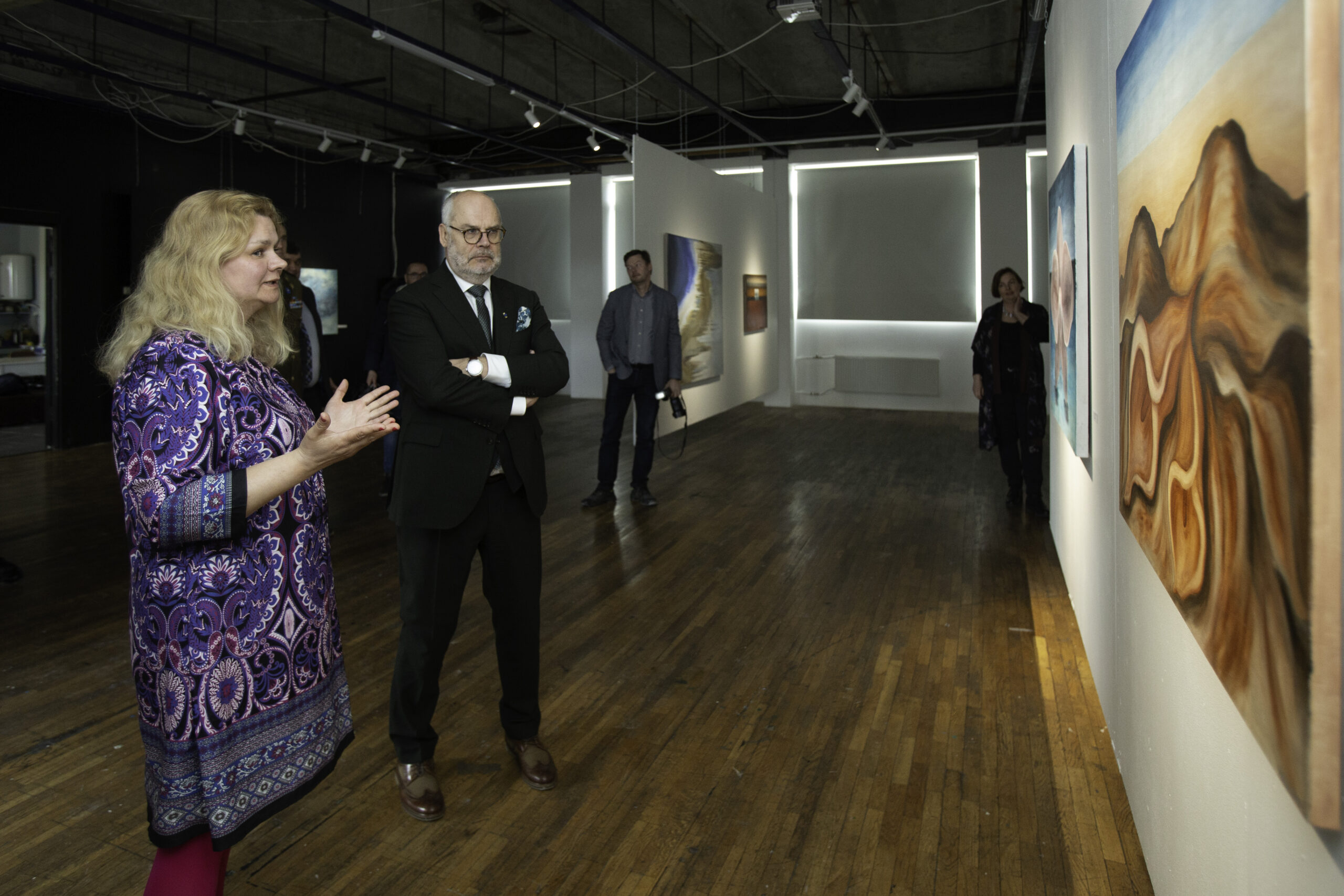
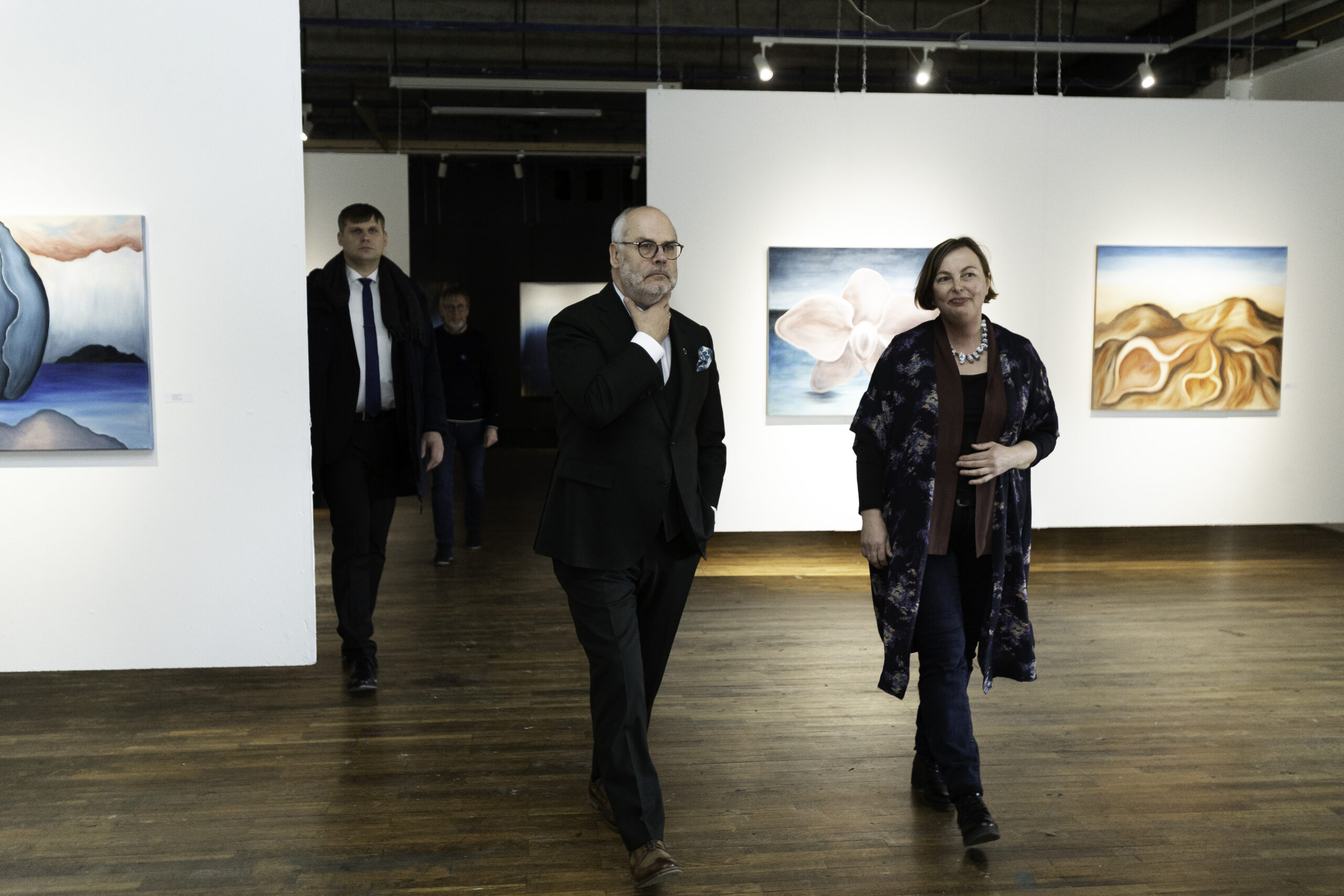
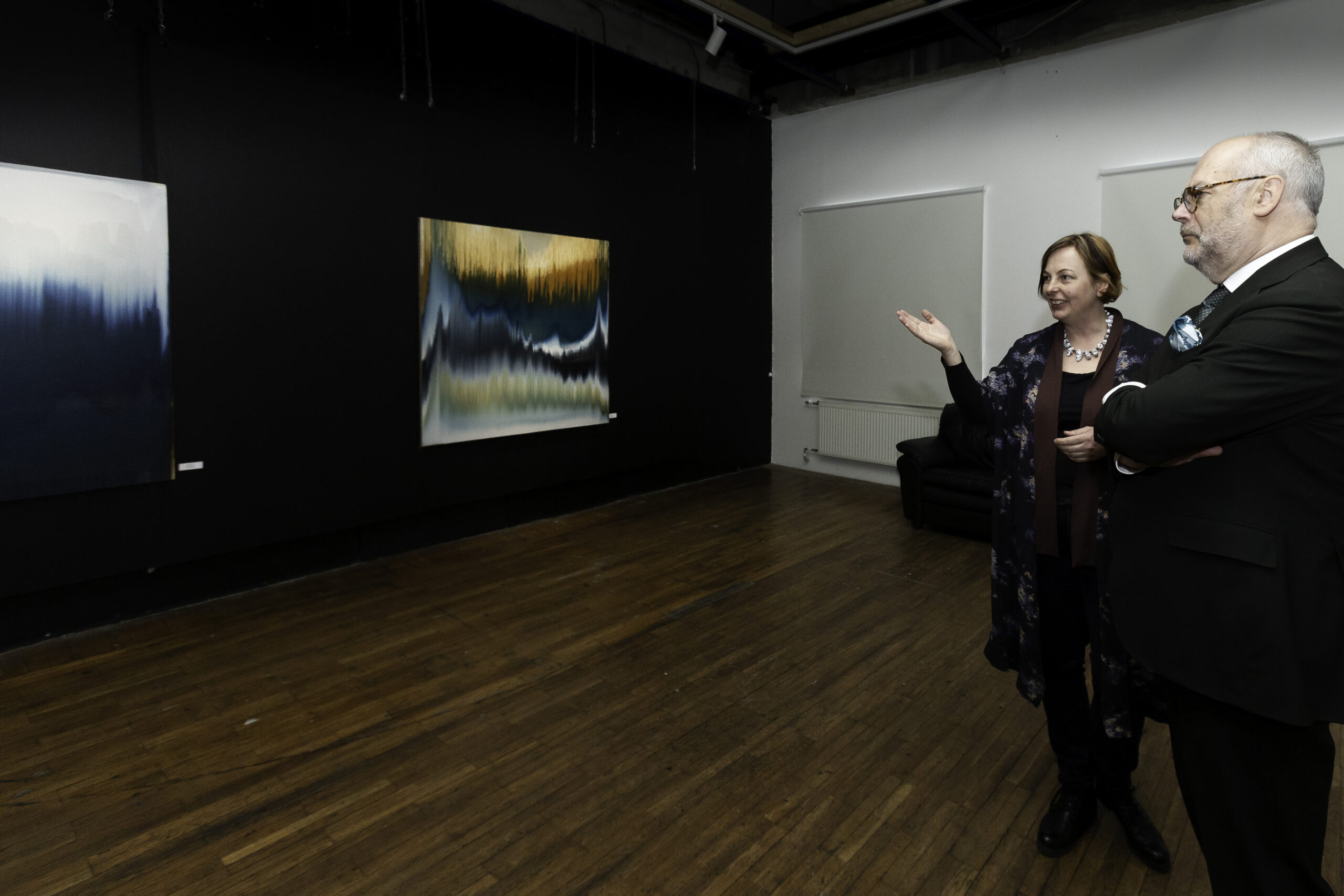
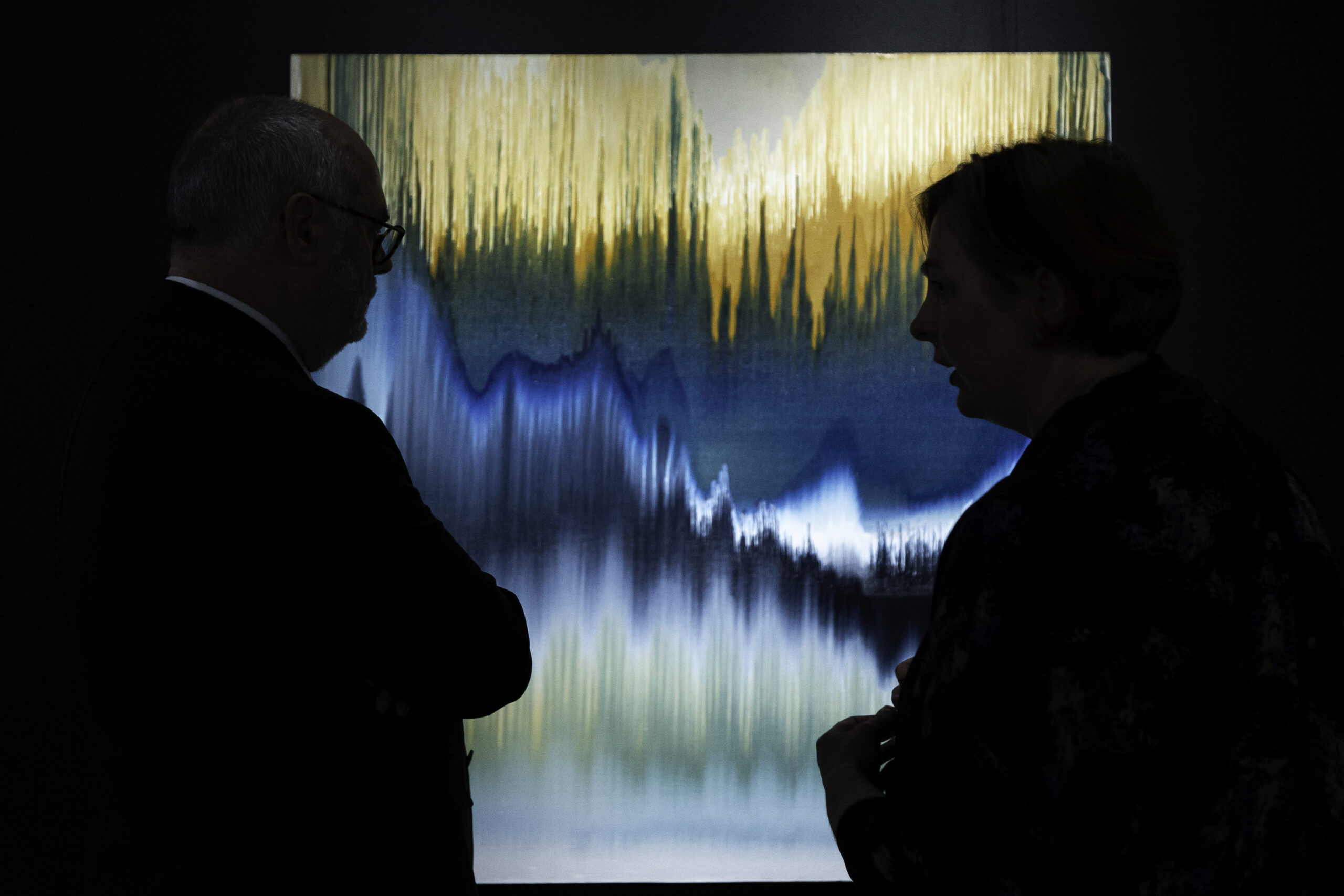
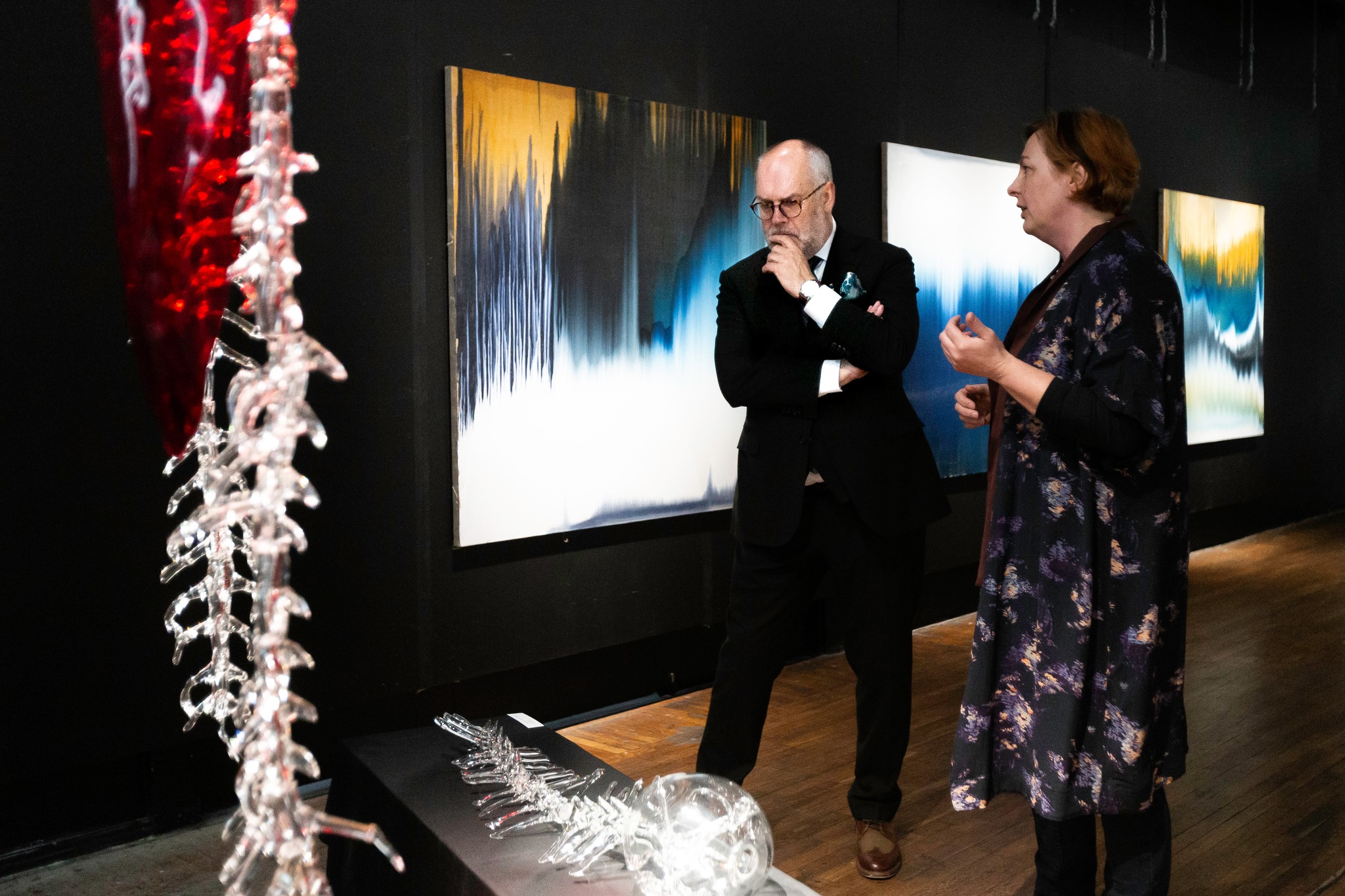
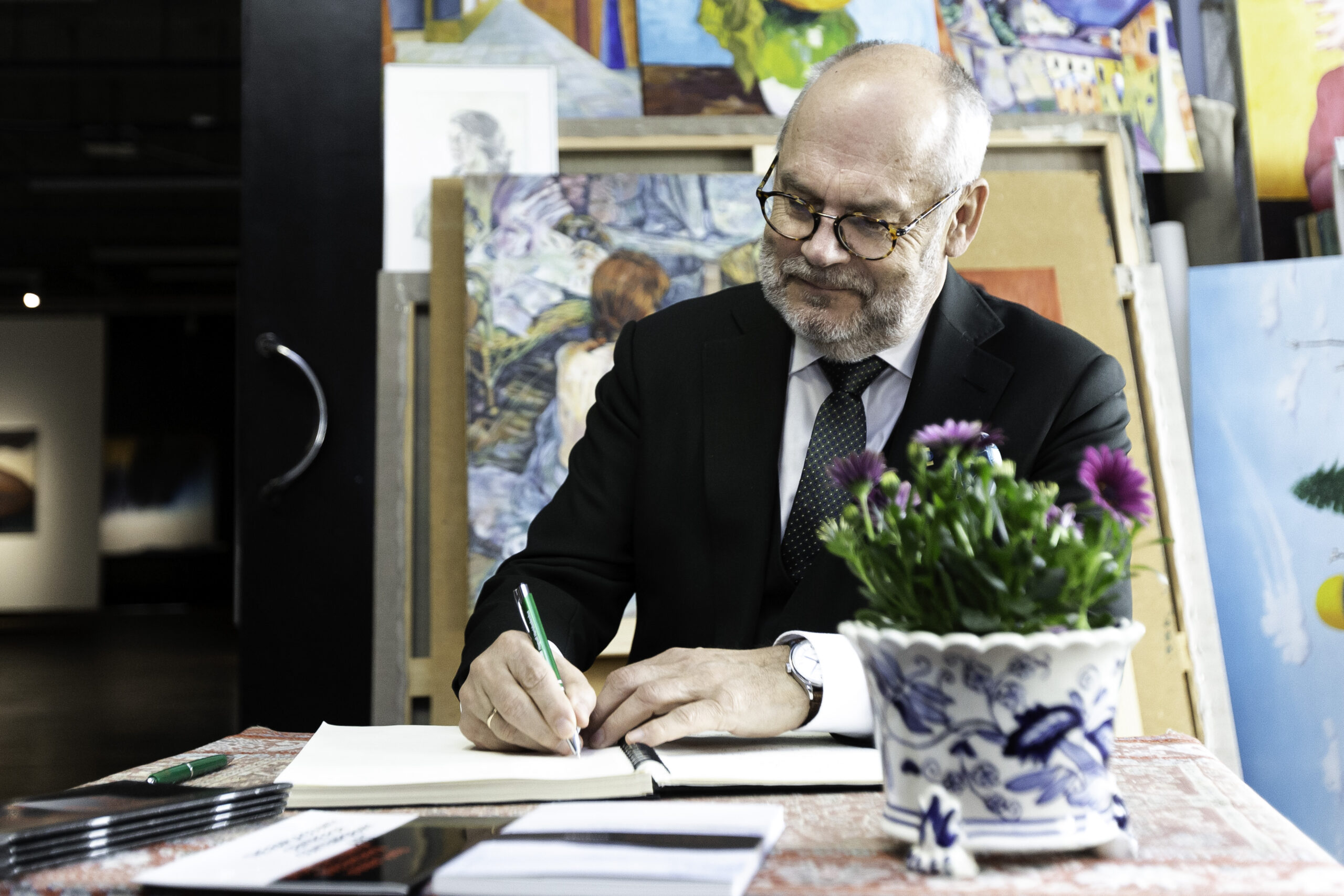
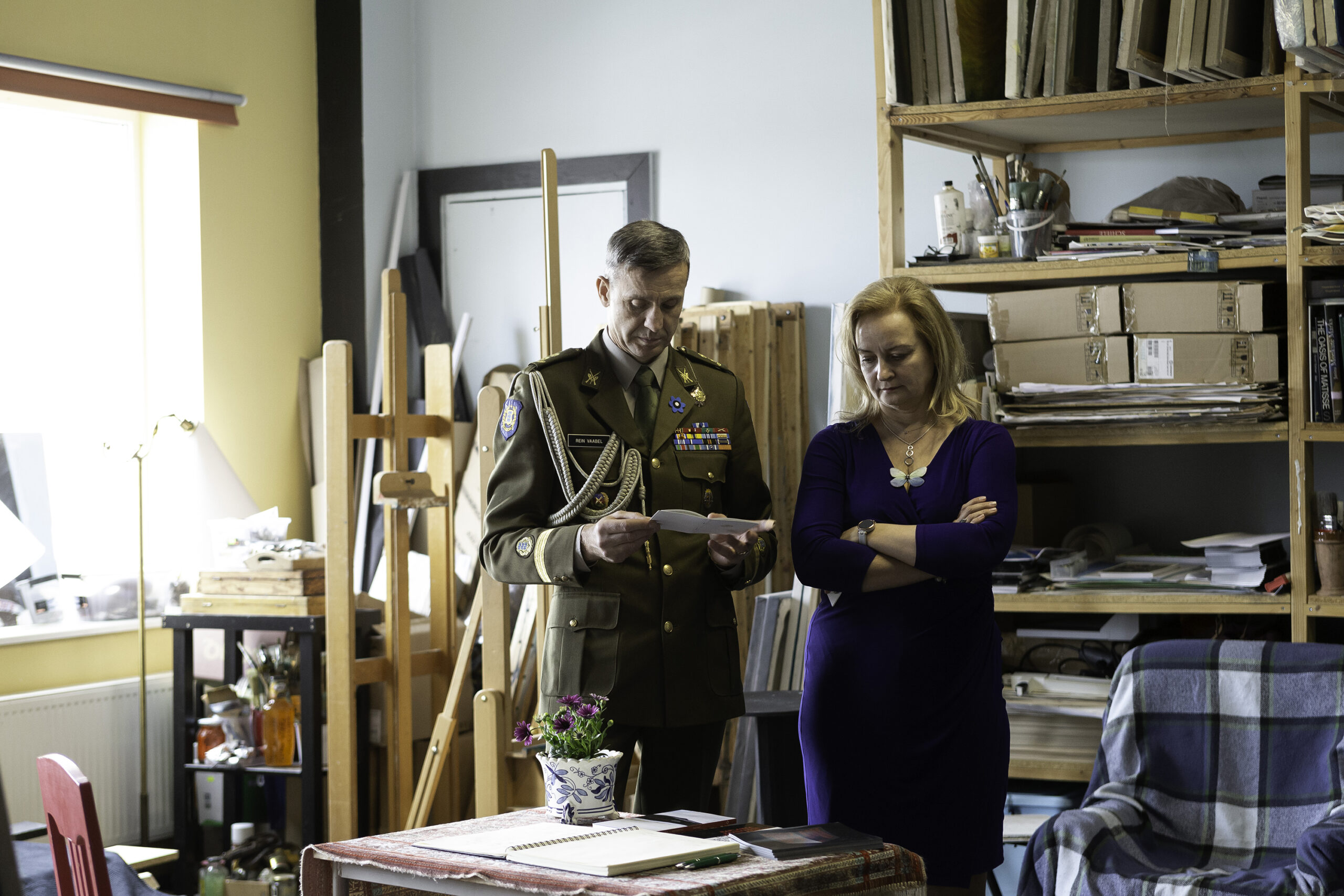
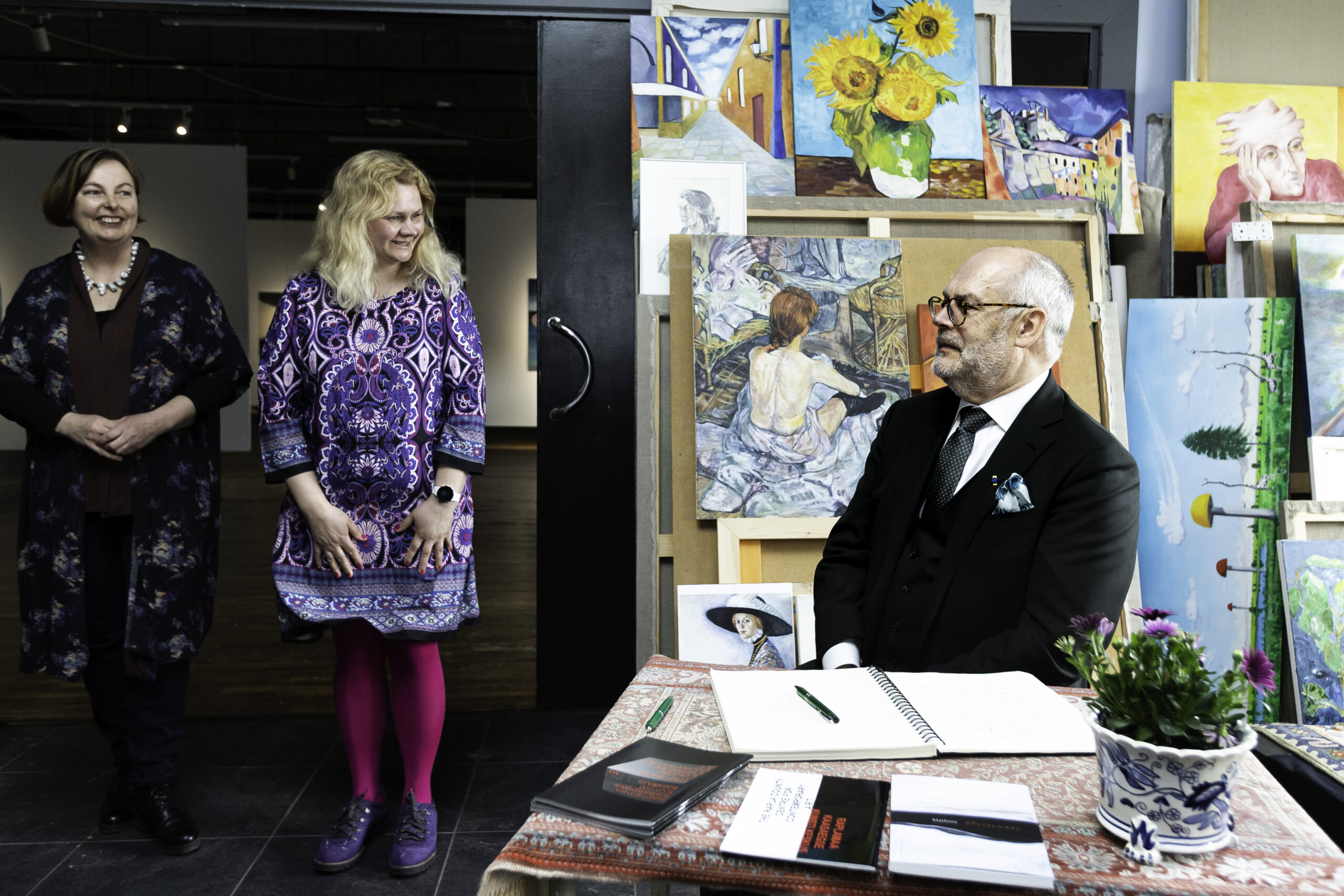
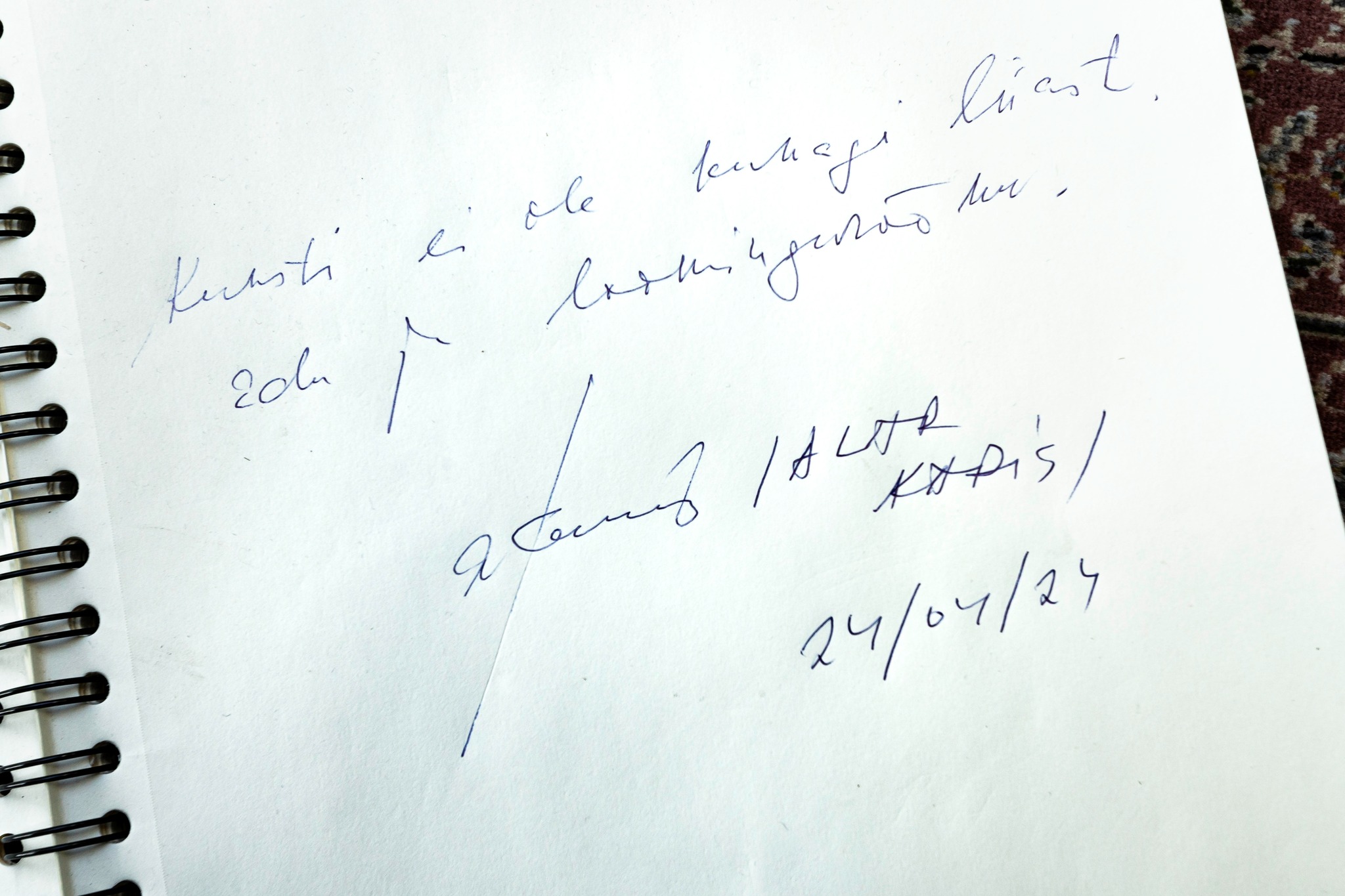
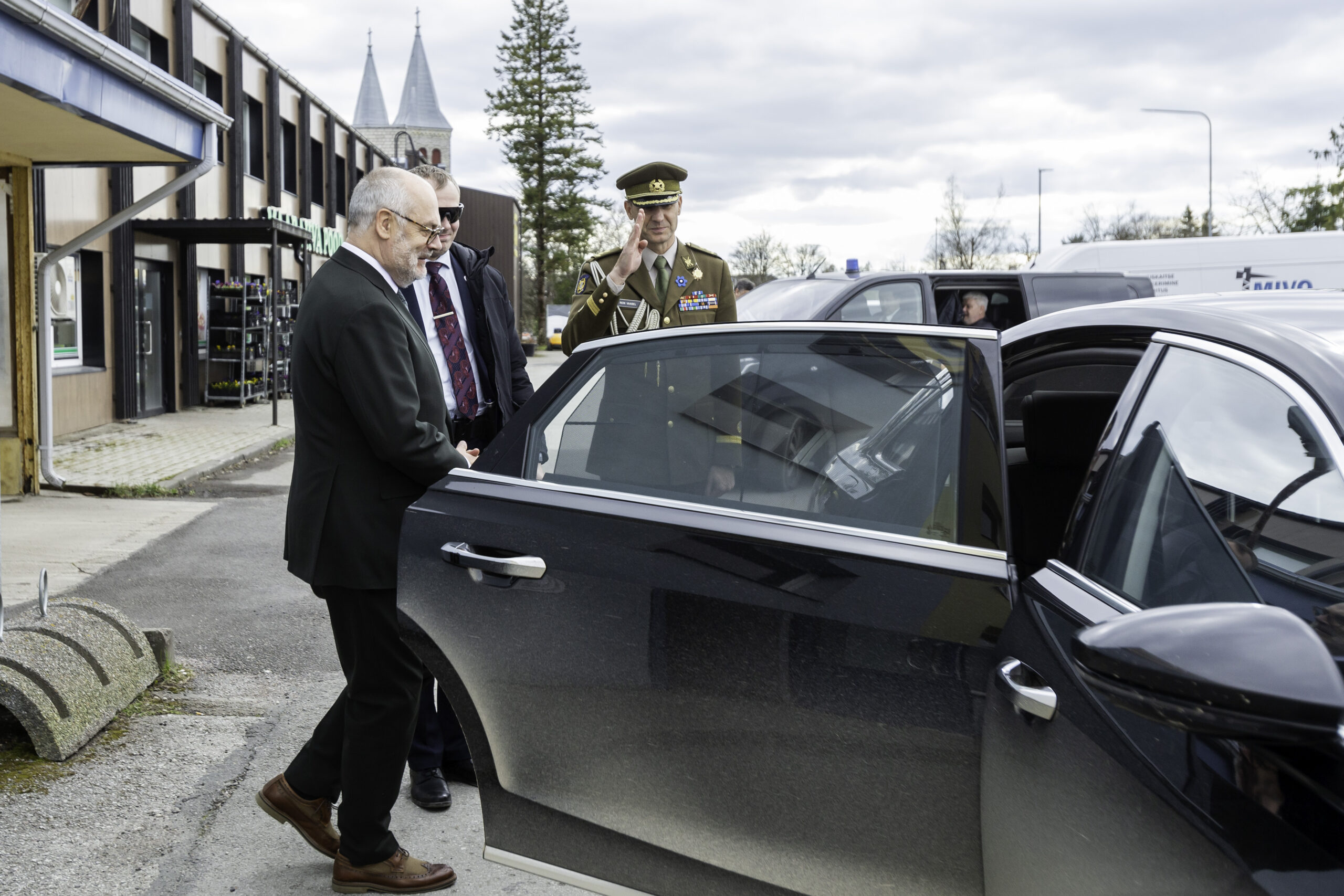
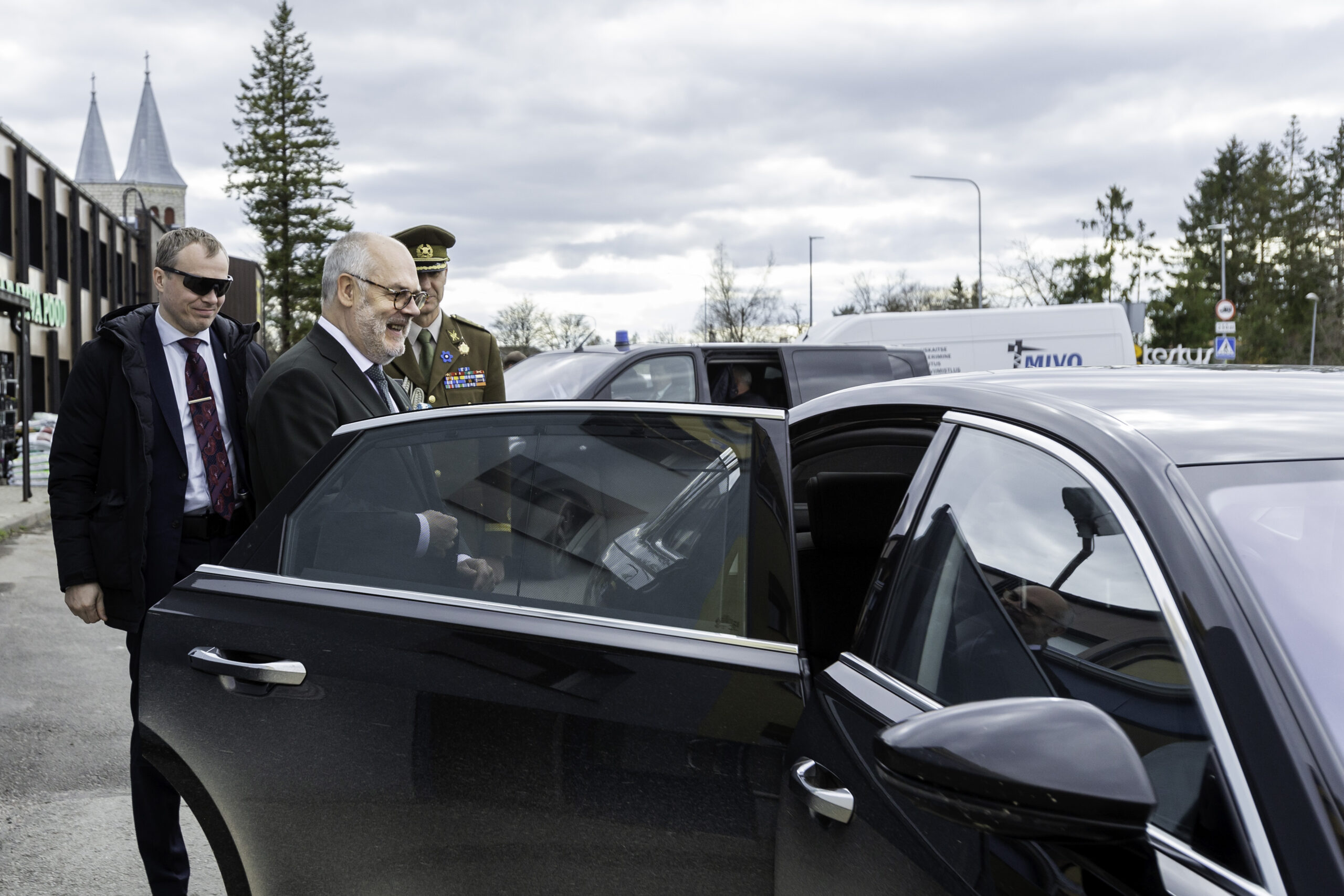
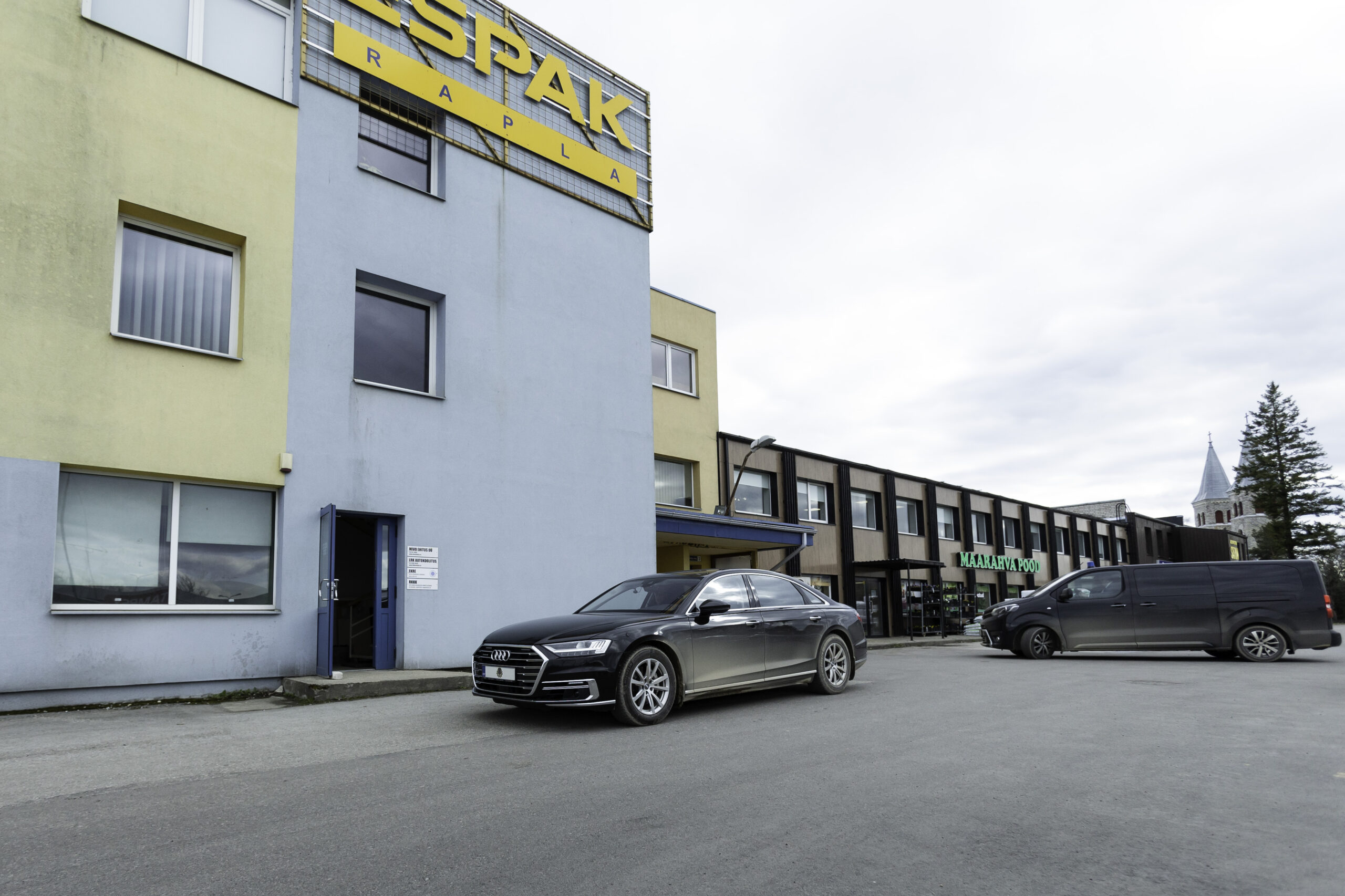
On 24.04.24, it was a great pleasure to host the President of the Republic of Estonia, Alar Karis, and his entourage at the Rapla County Contemporary Art Center! It was a very warm meeting, where there was a sense of cultural interest, immersion as the busy daily schedule allowed it, and mellow humour. The meeting was part of a two-day visit to Rapla County.
The moments were captured by Tiina Kõrtsini.
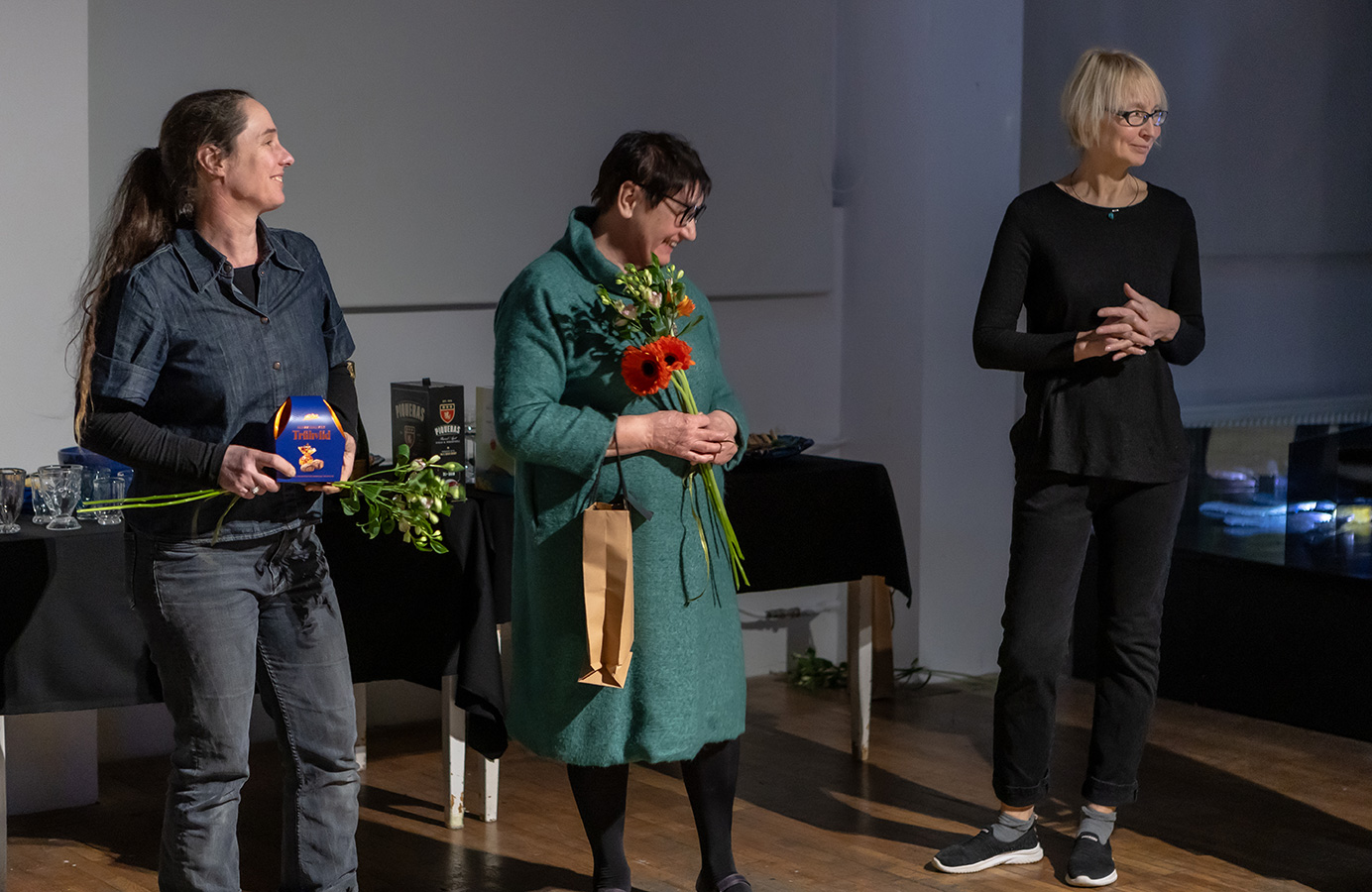
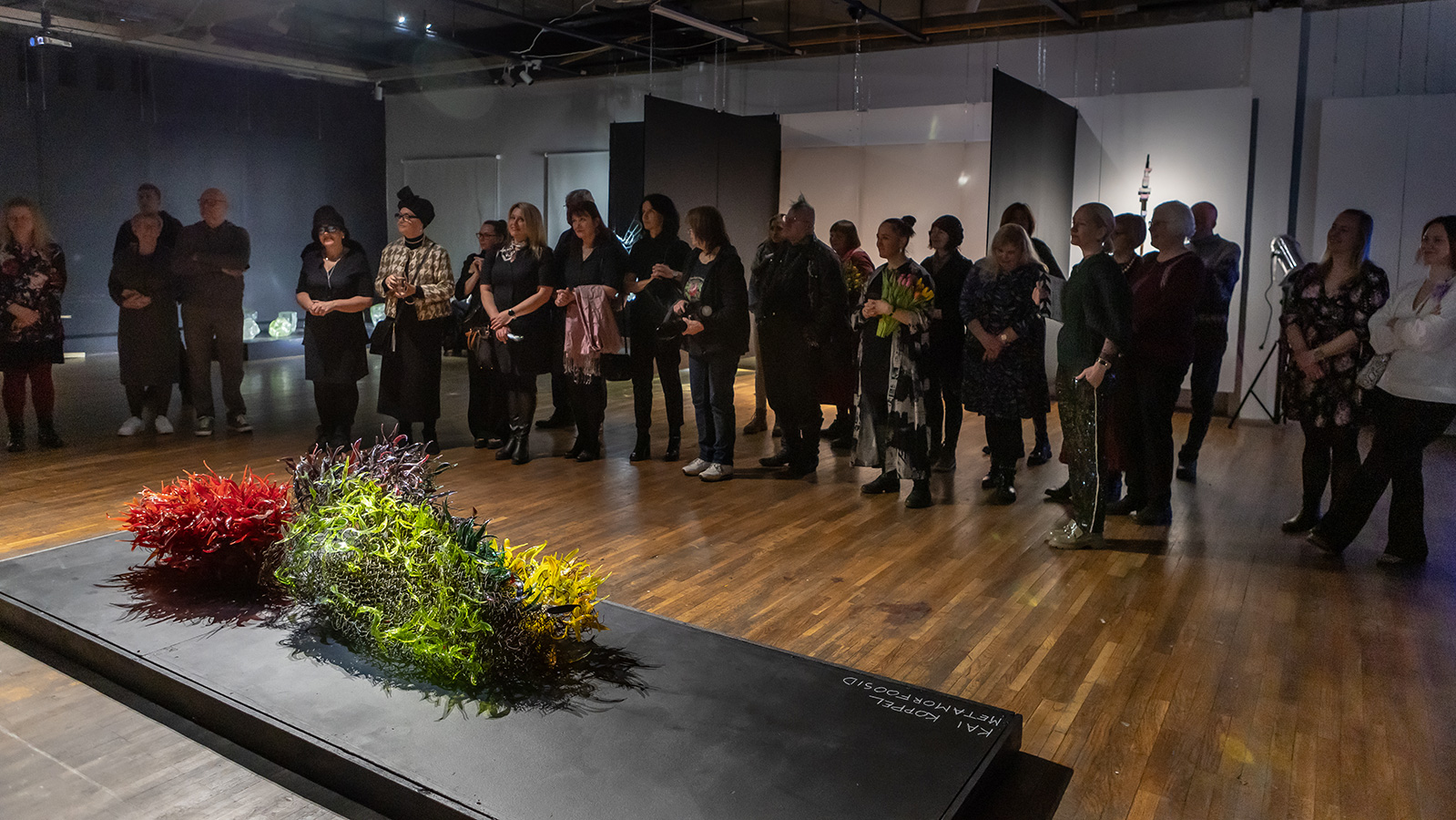
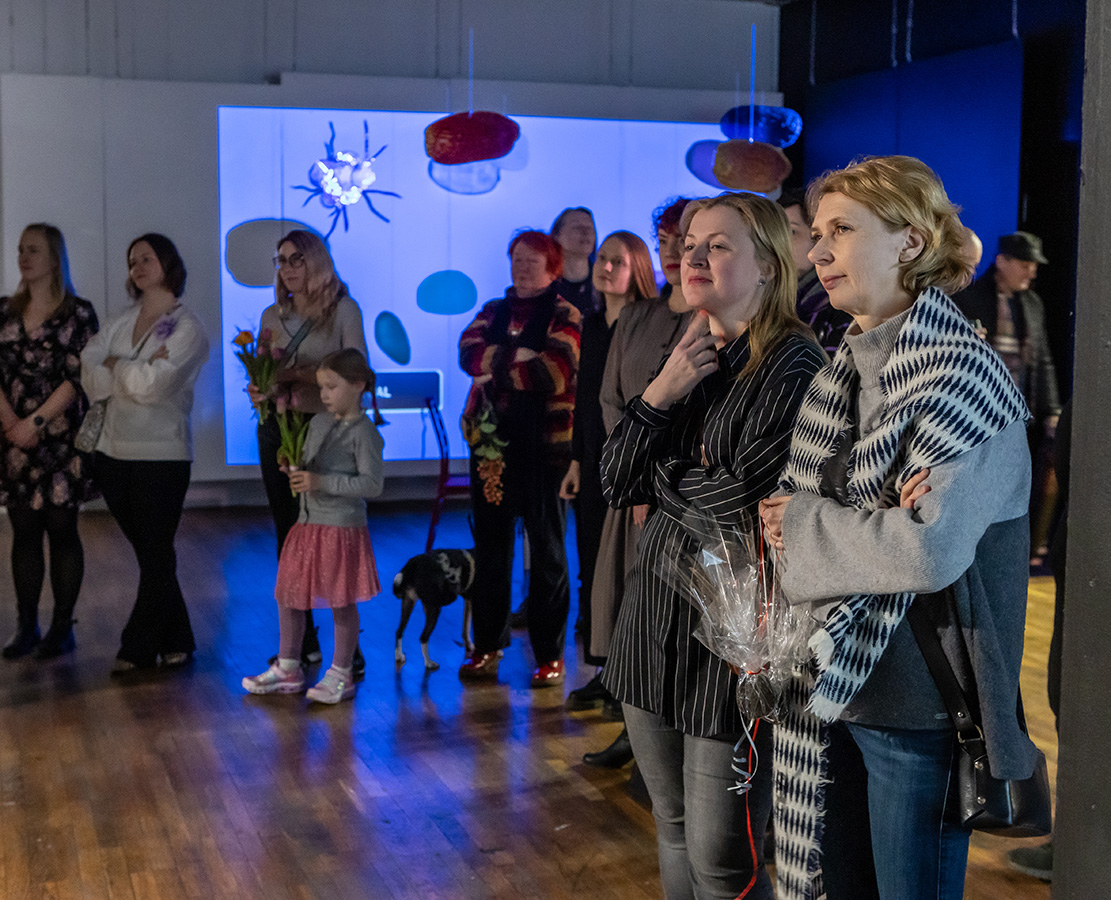
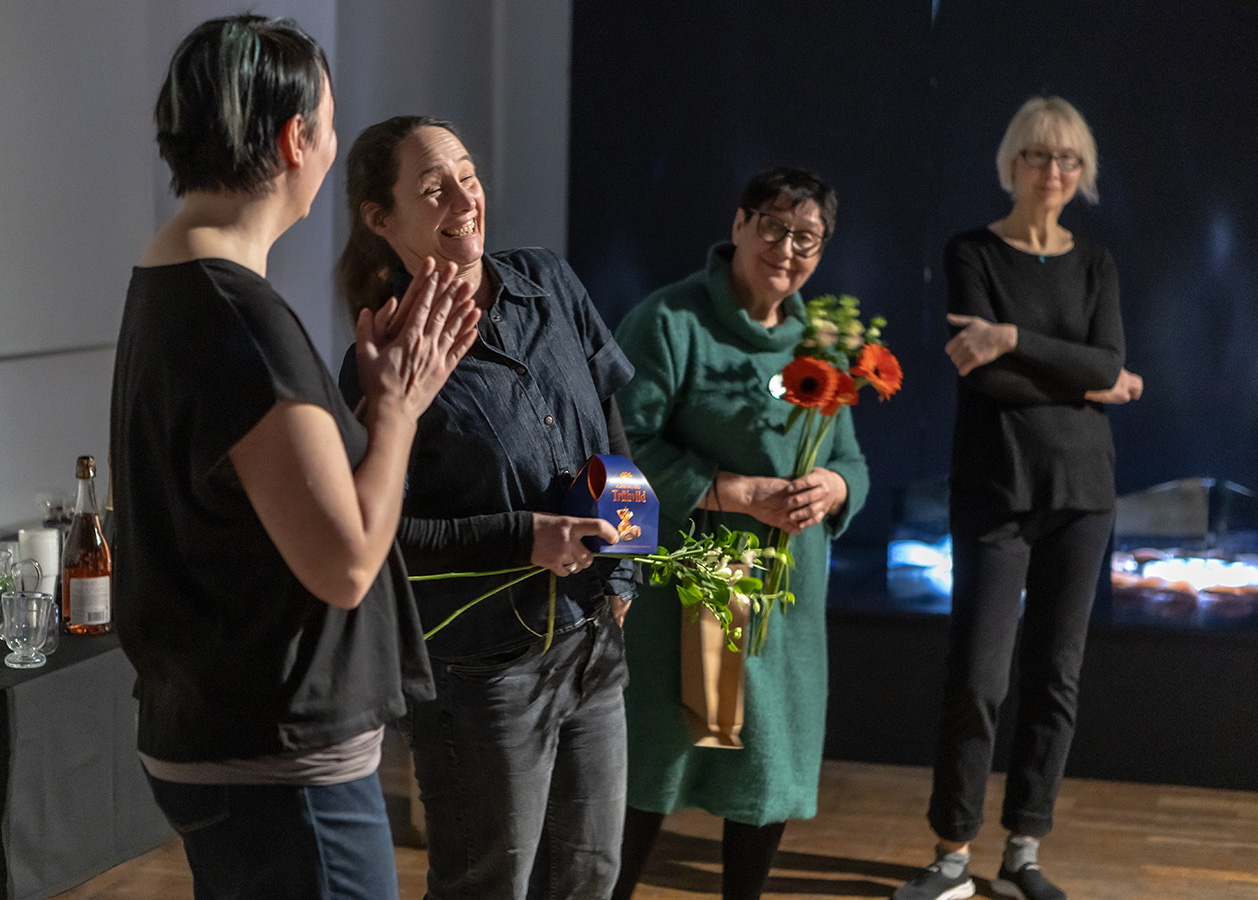
Conflations
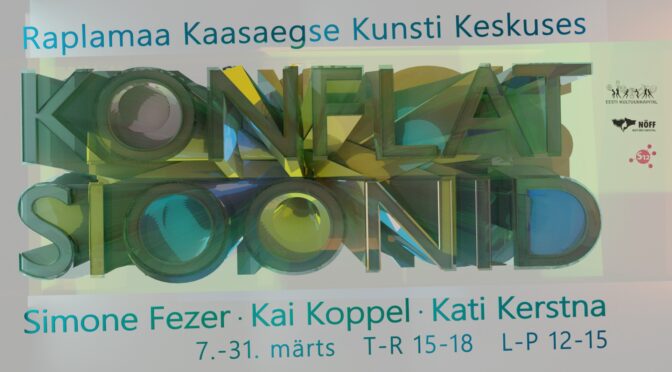
CONFLATIONS
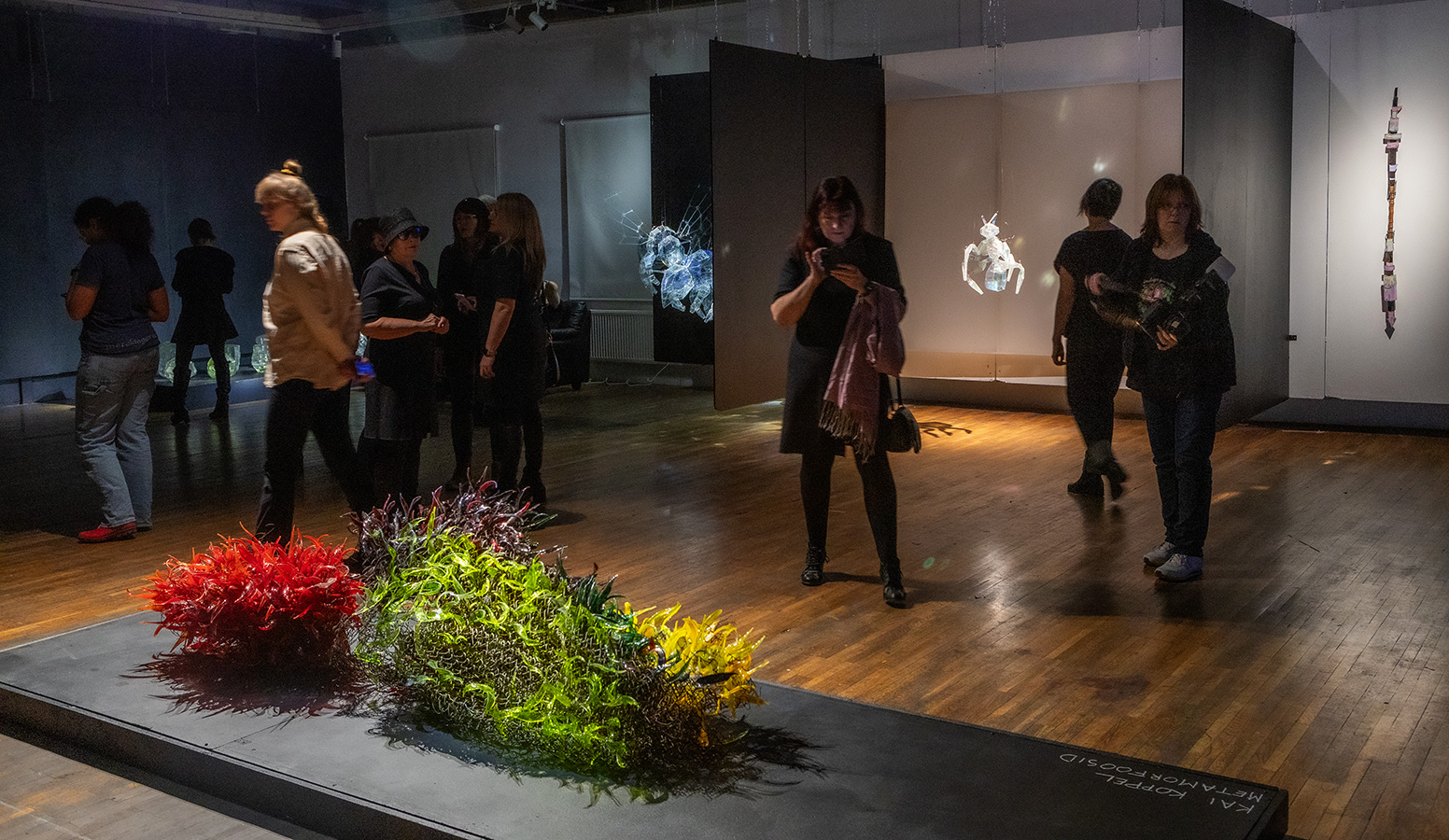
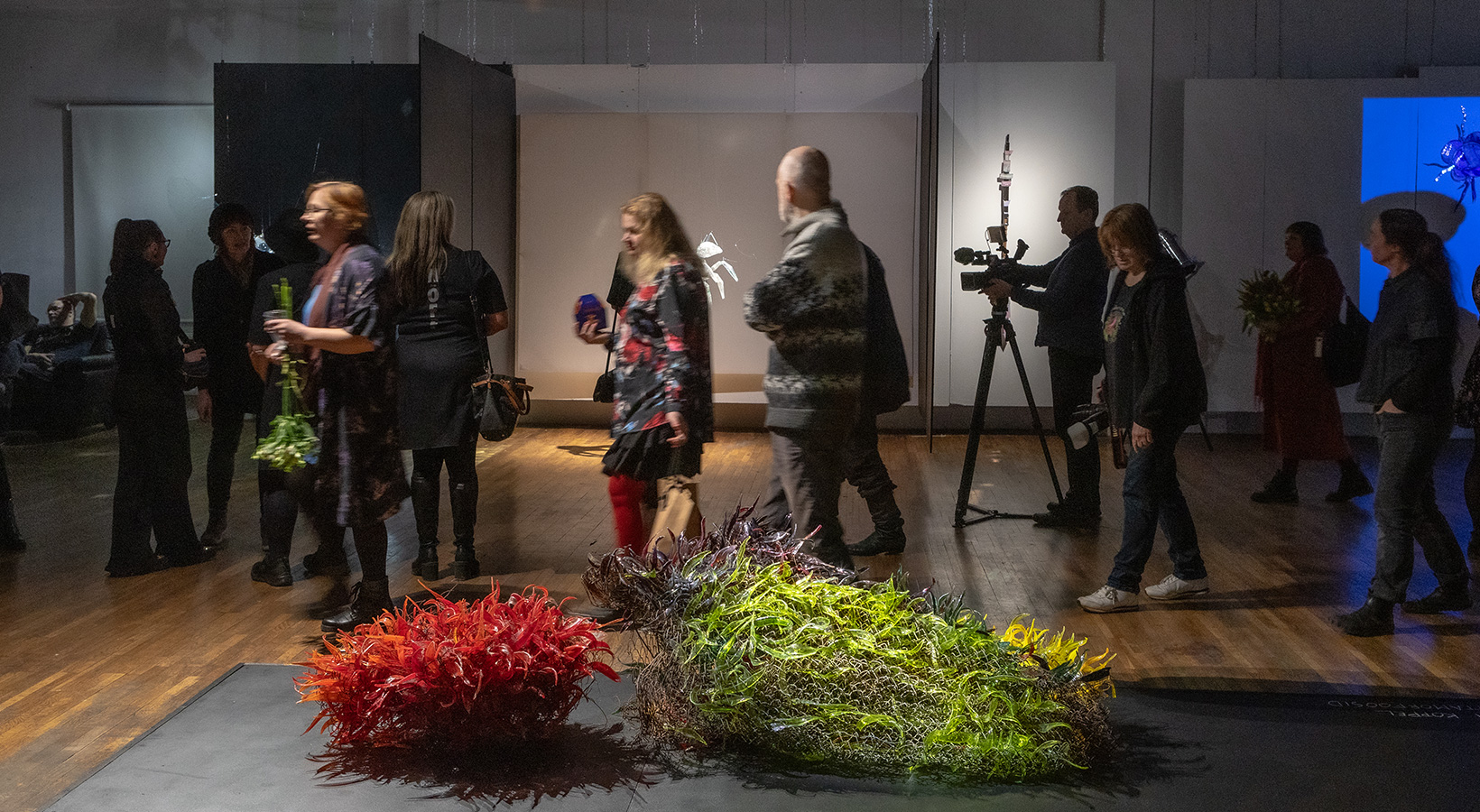
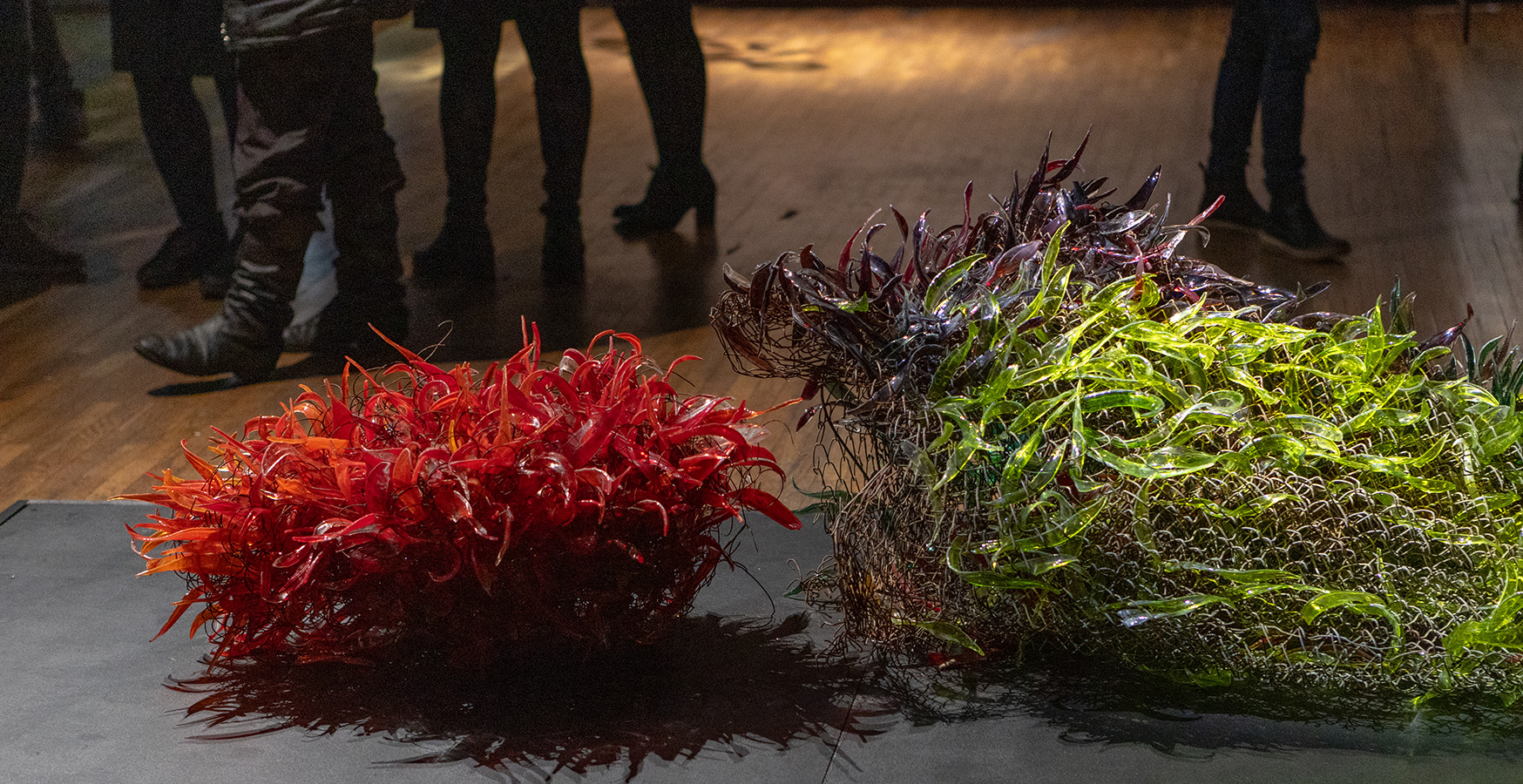
Simone Fezer,/ Kati Kerstna / Kai Koppel
Open March 8-31, 2024
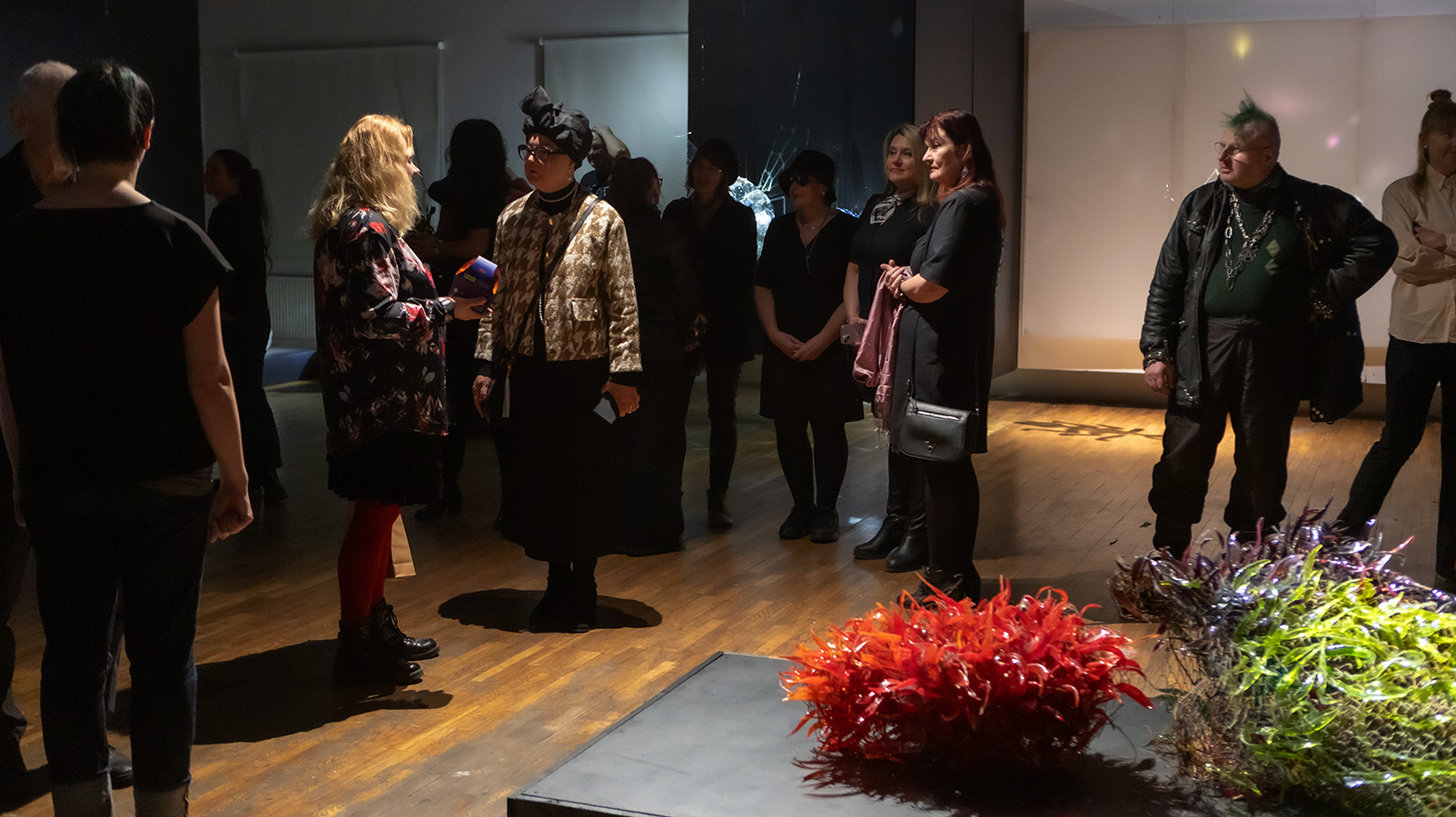
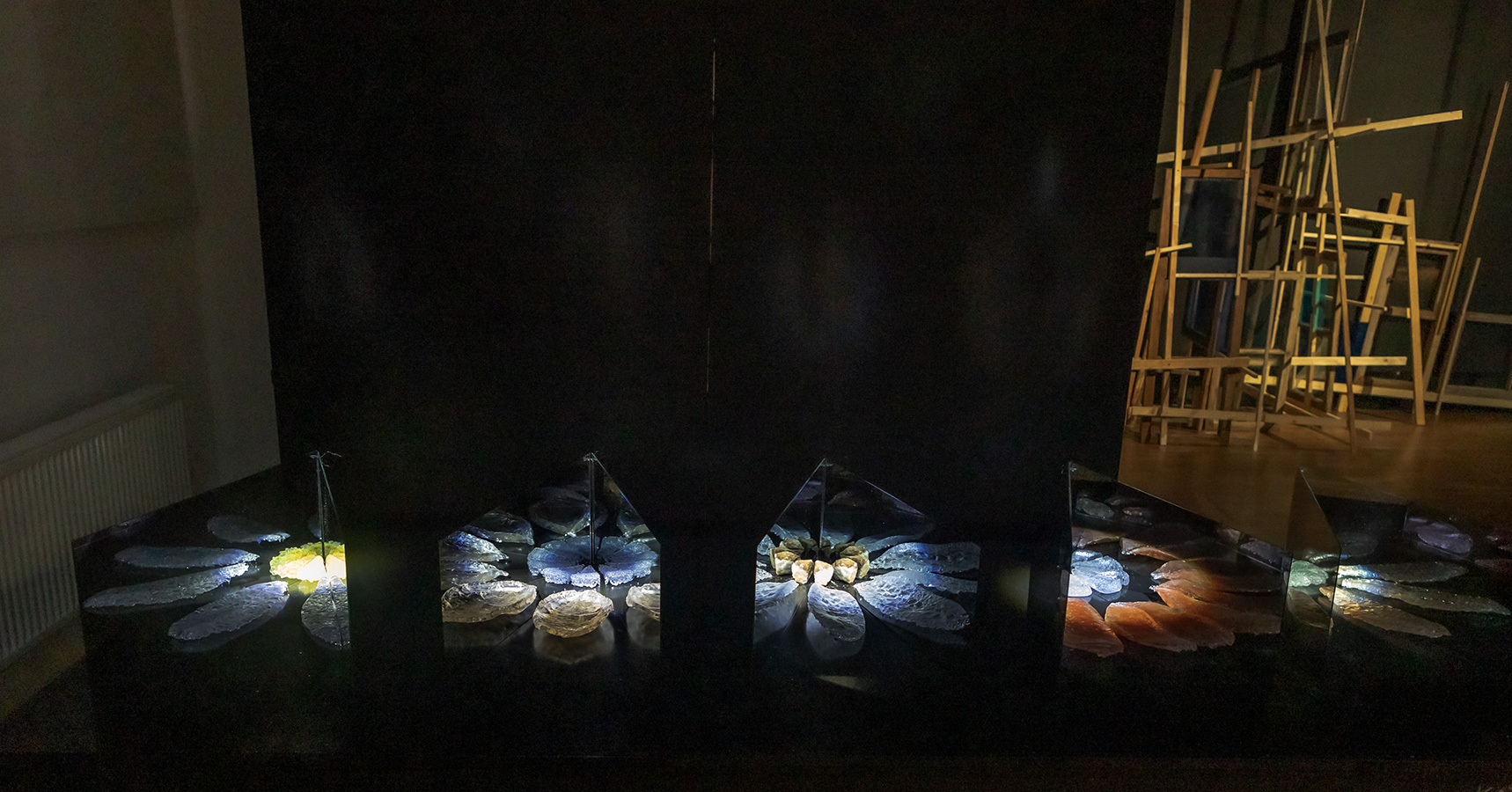
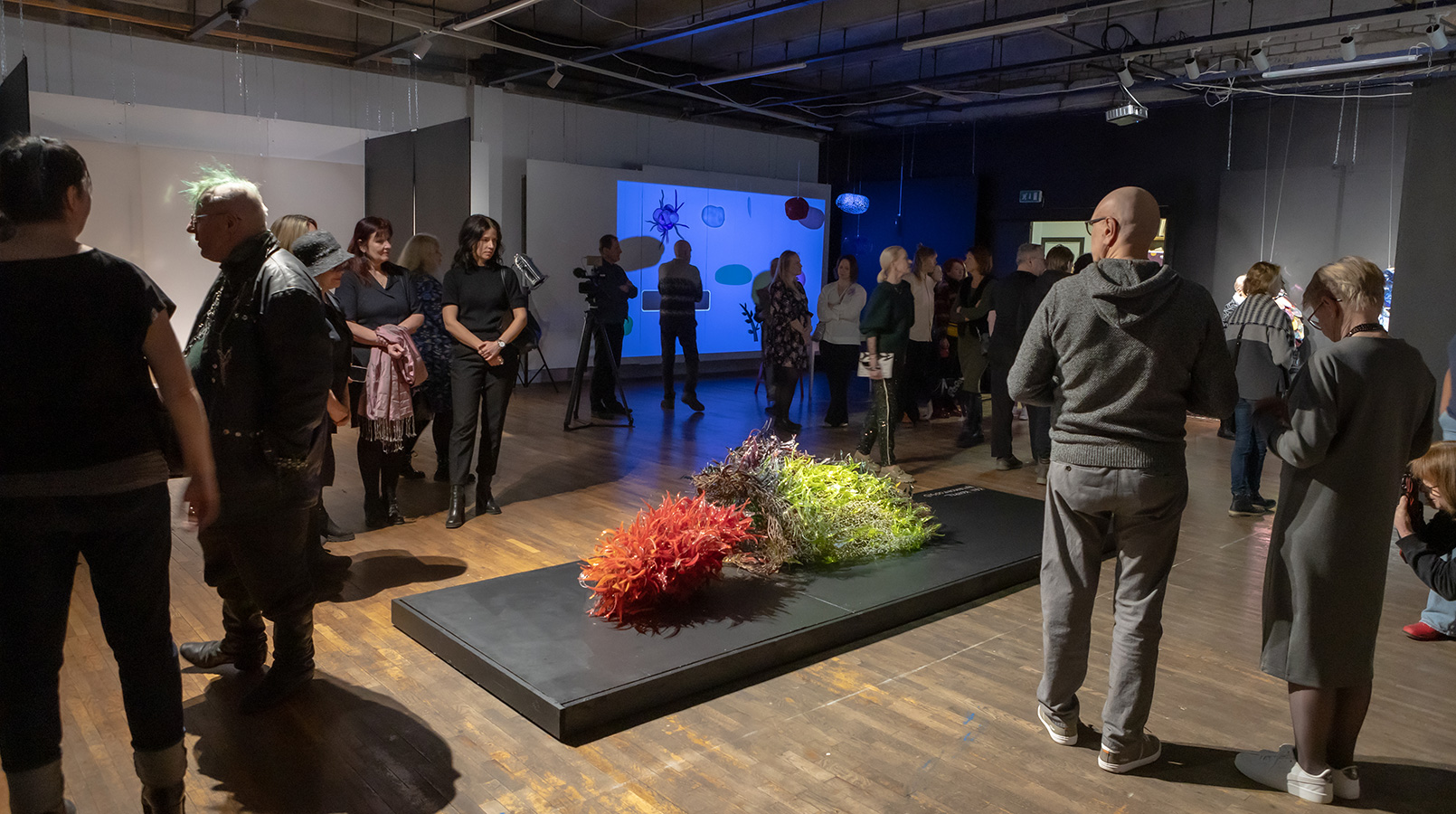
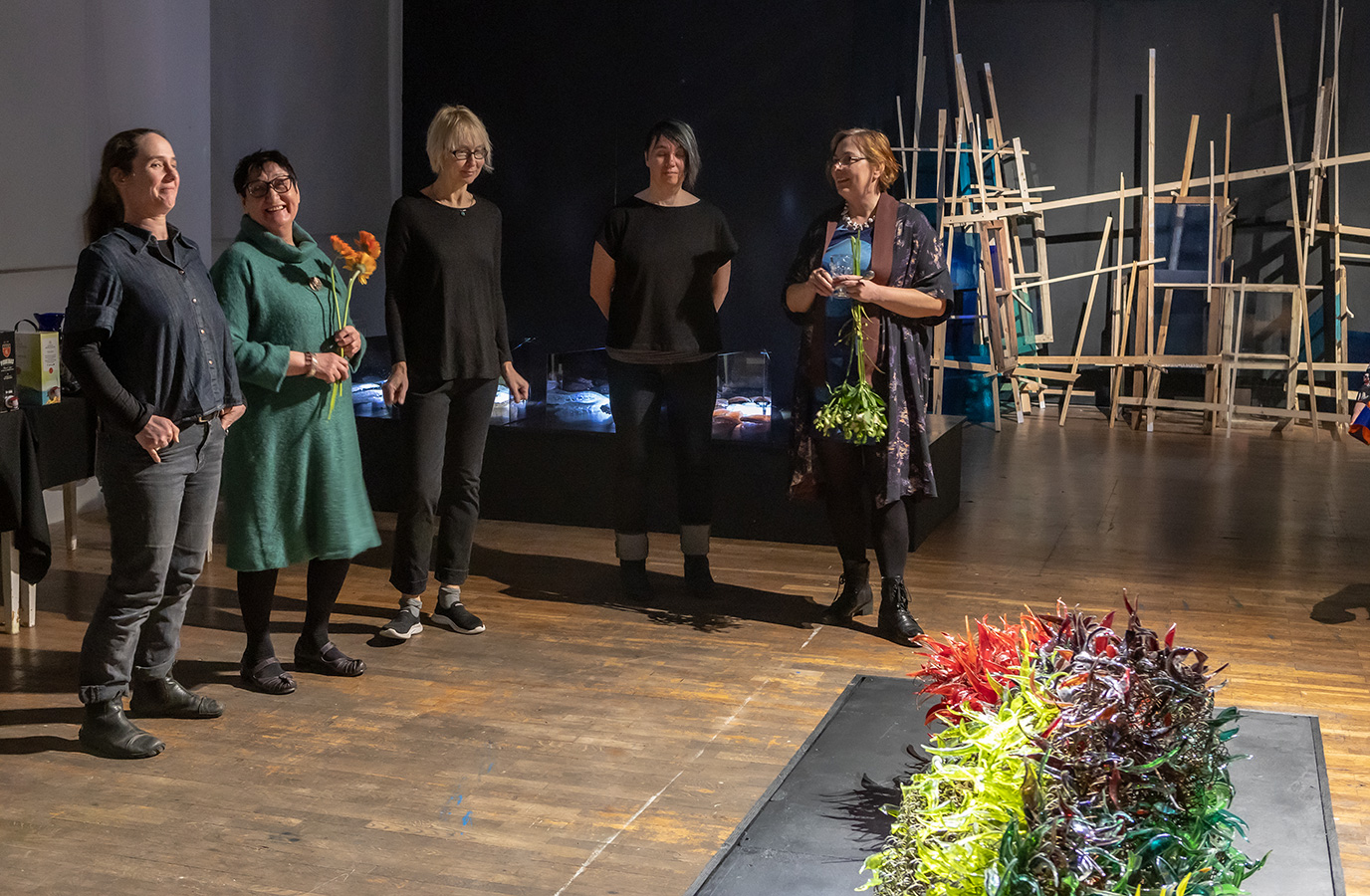
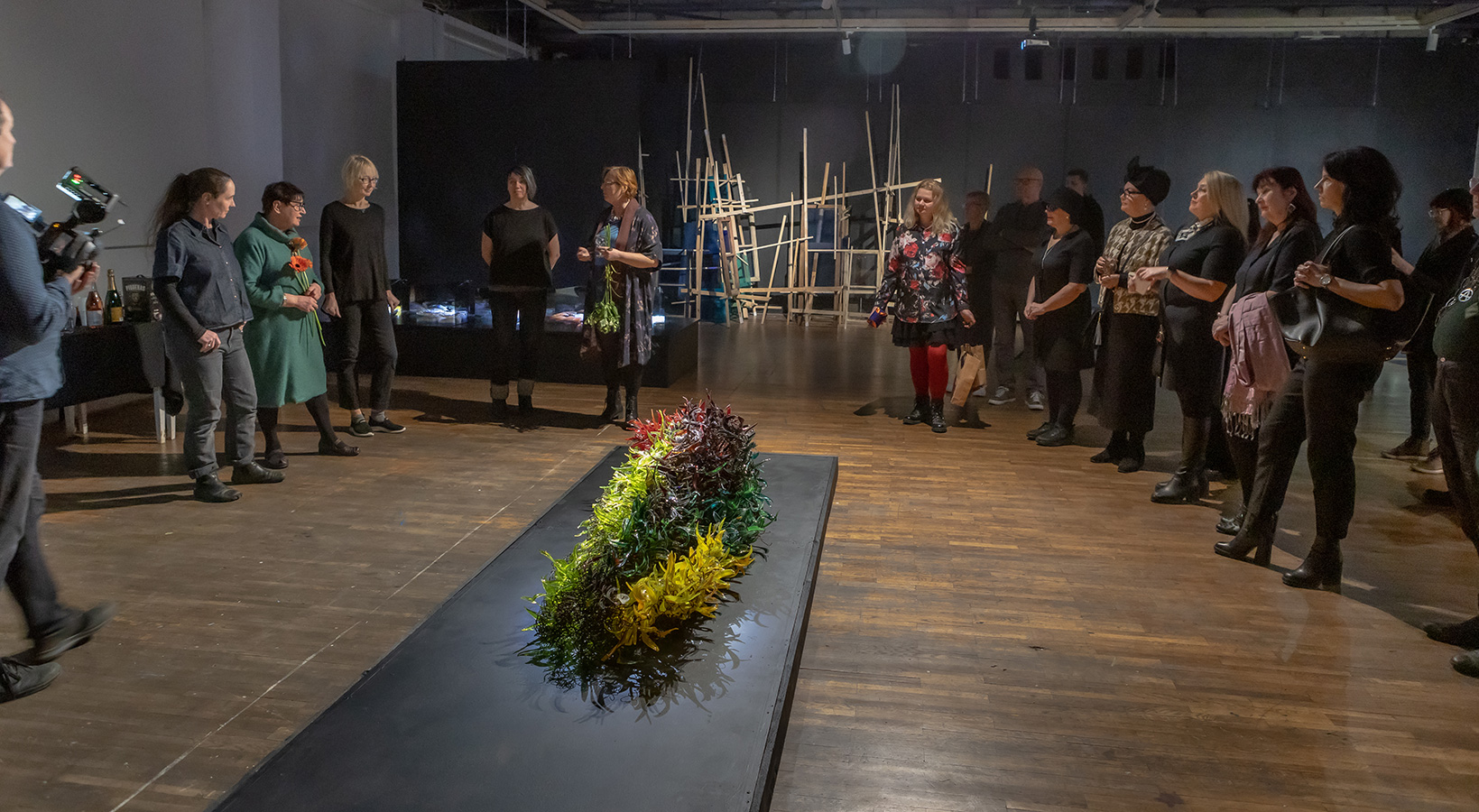
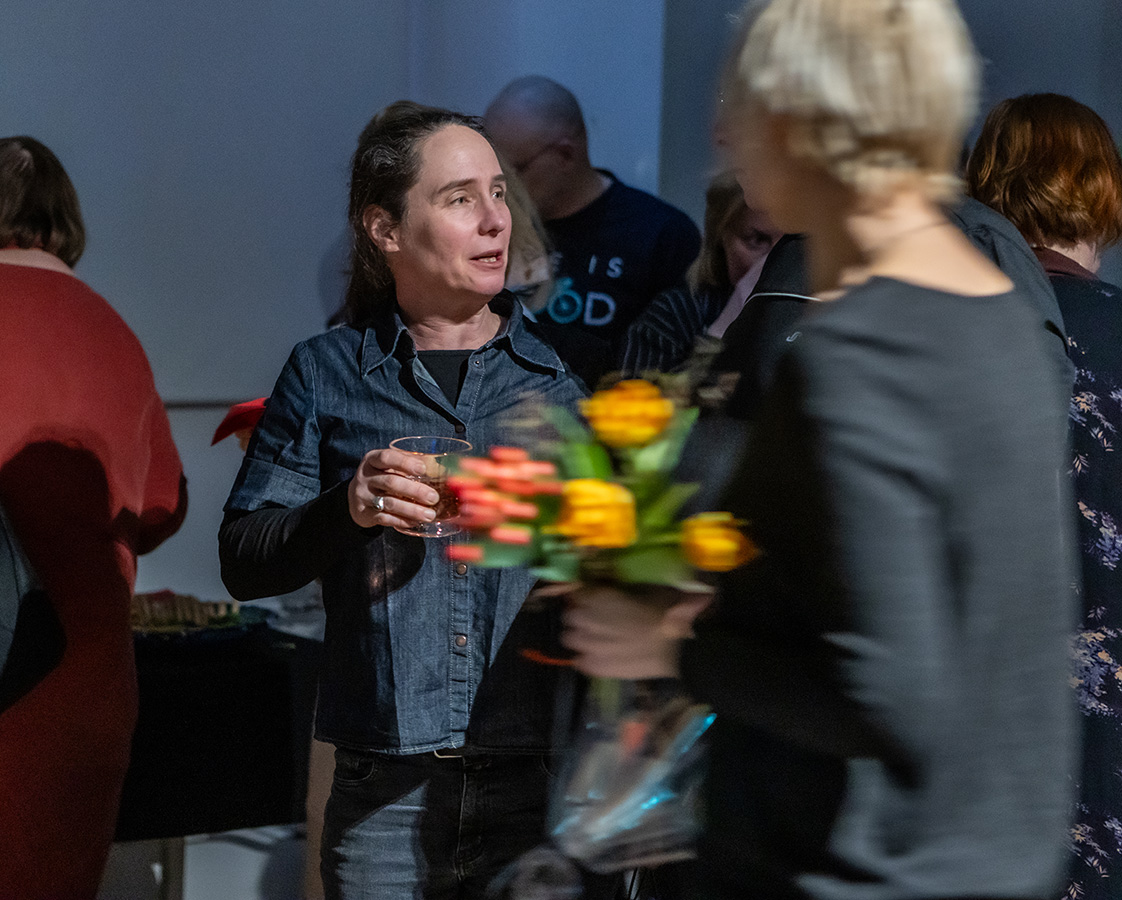
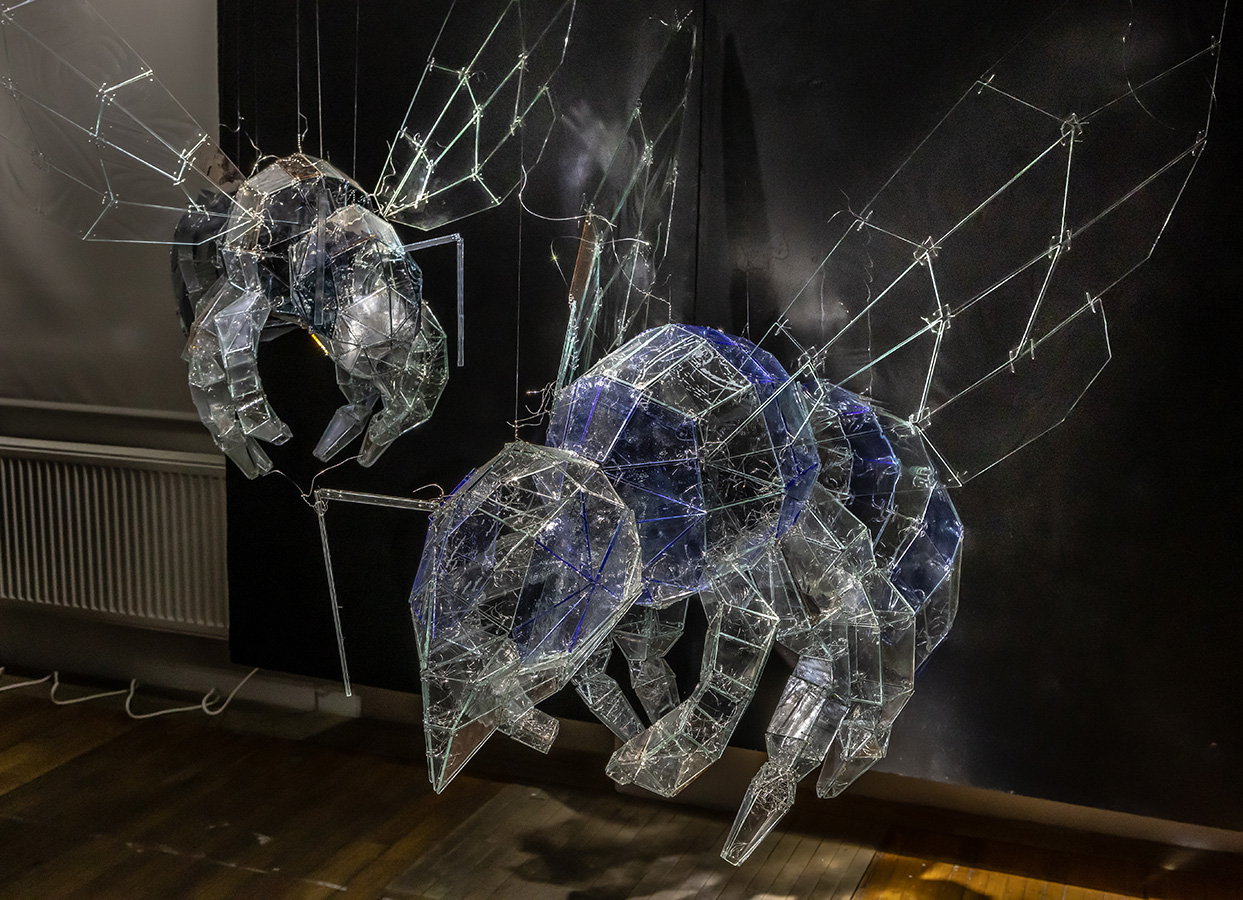
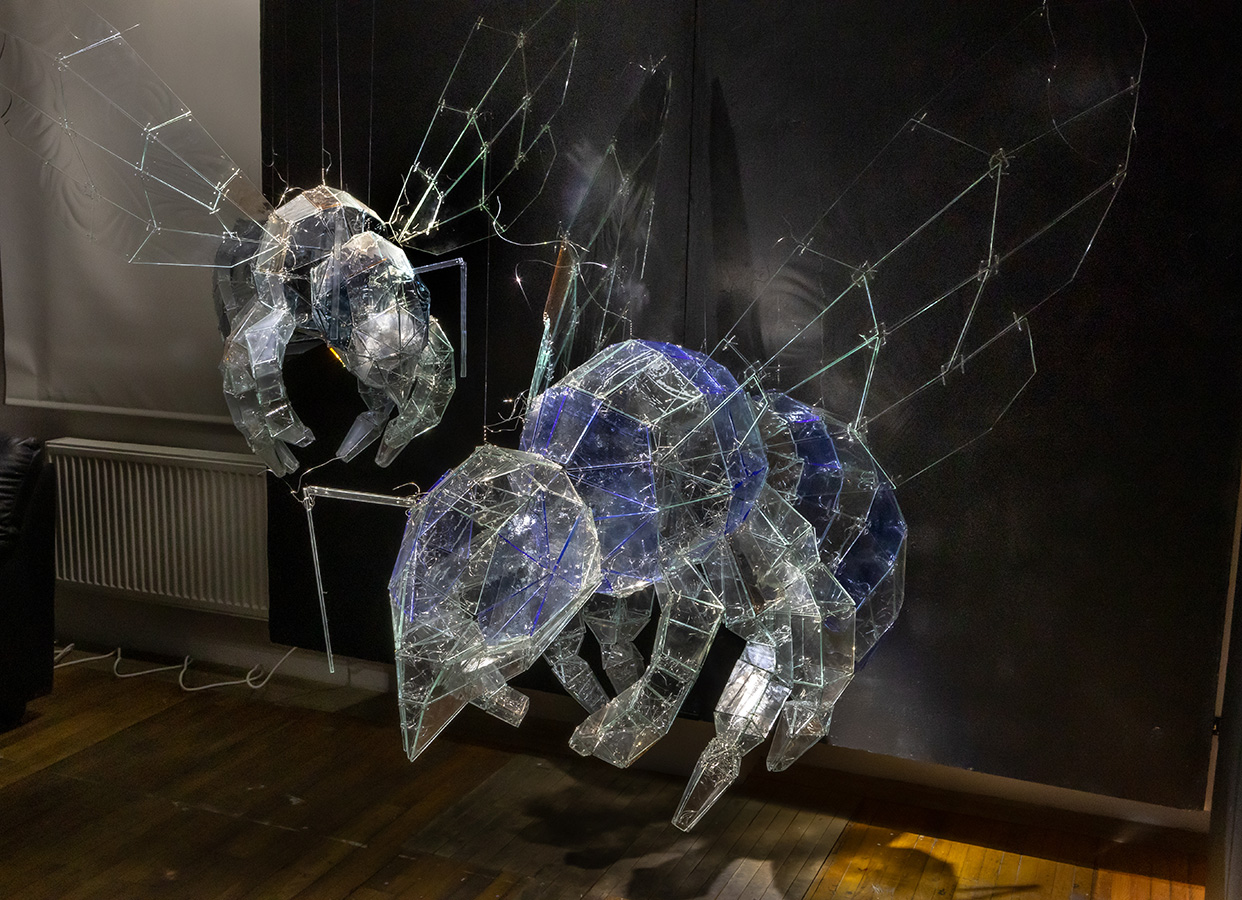
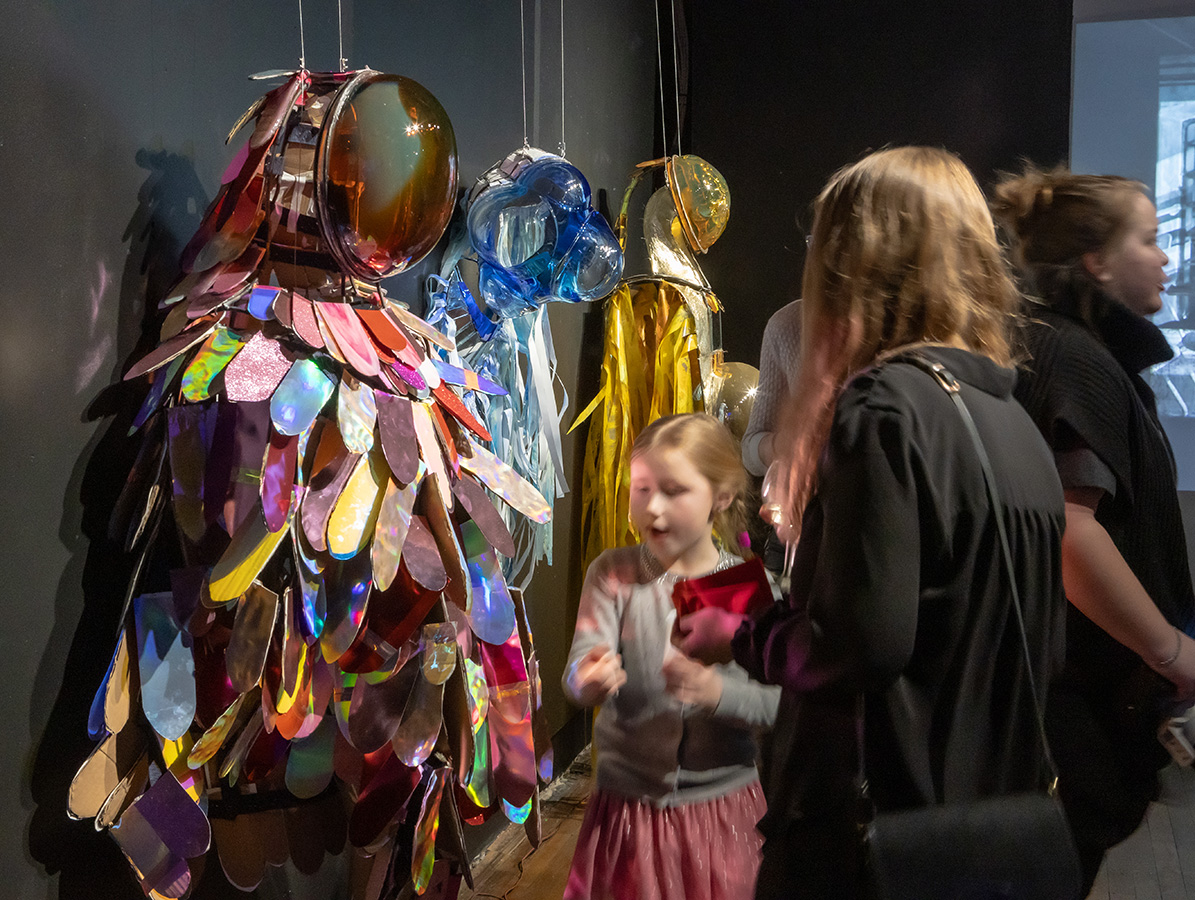
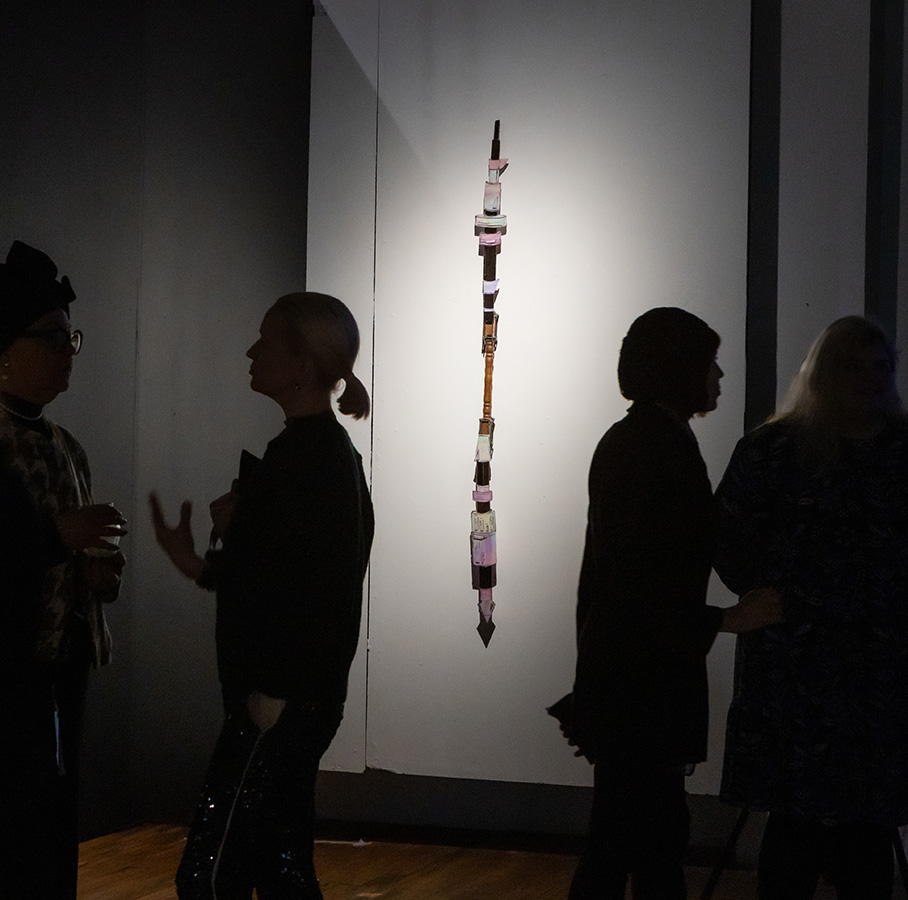
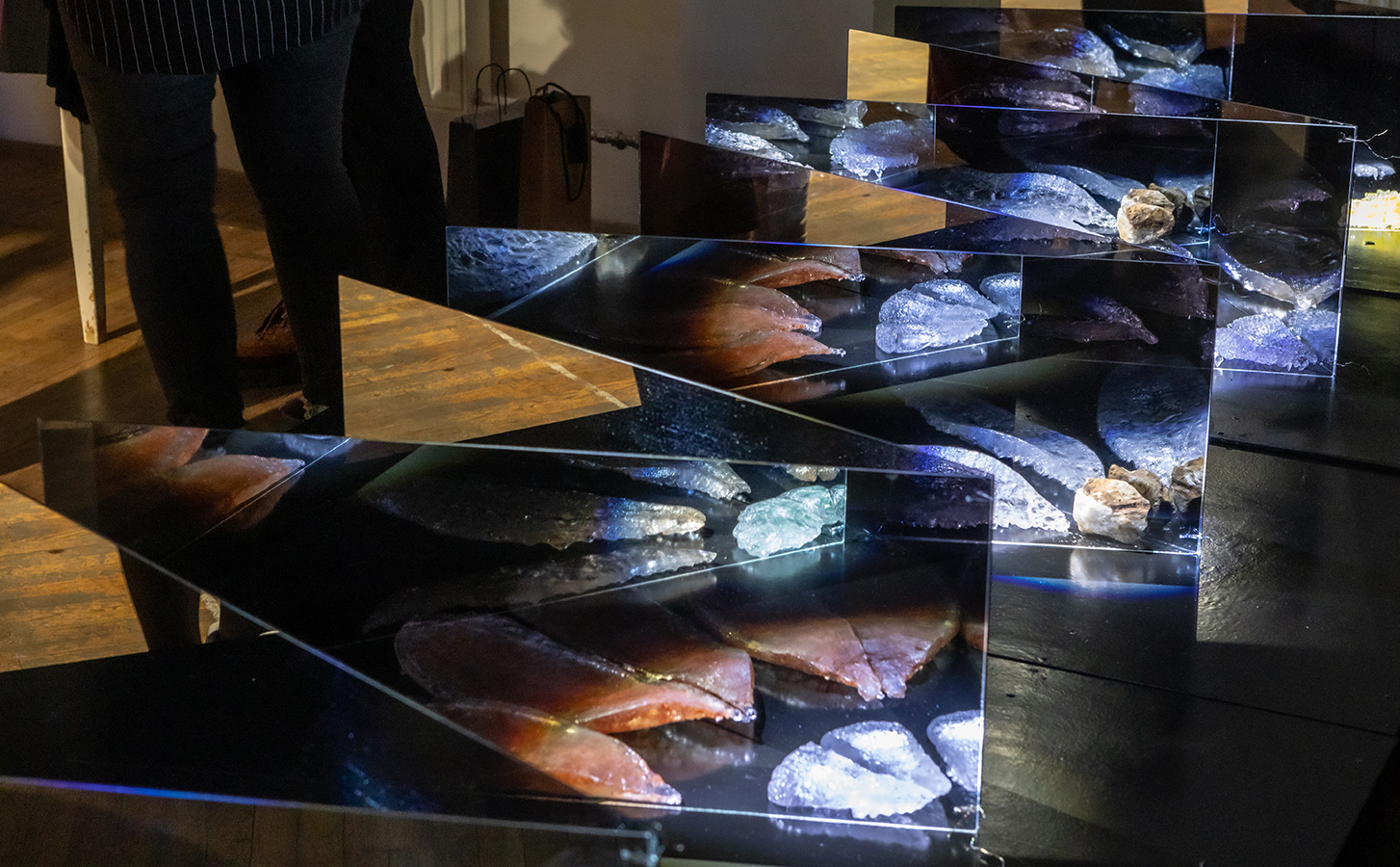
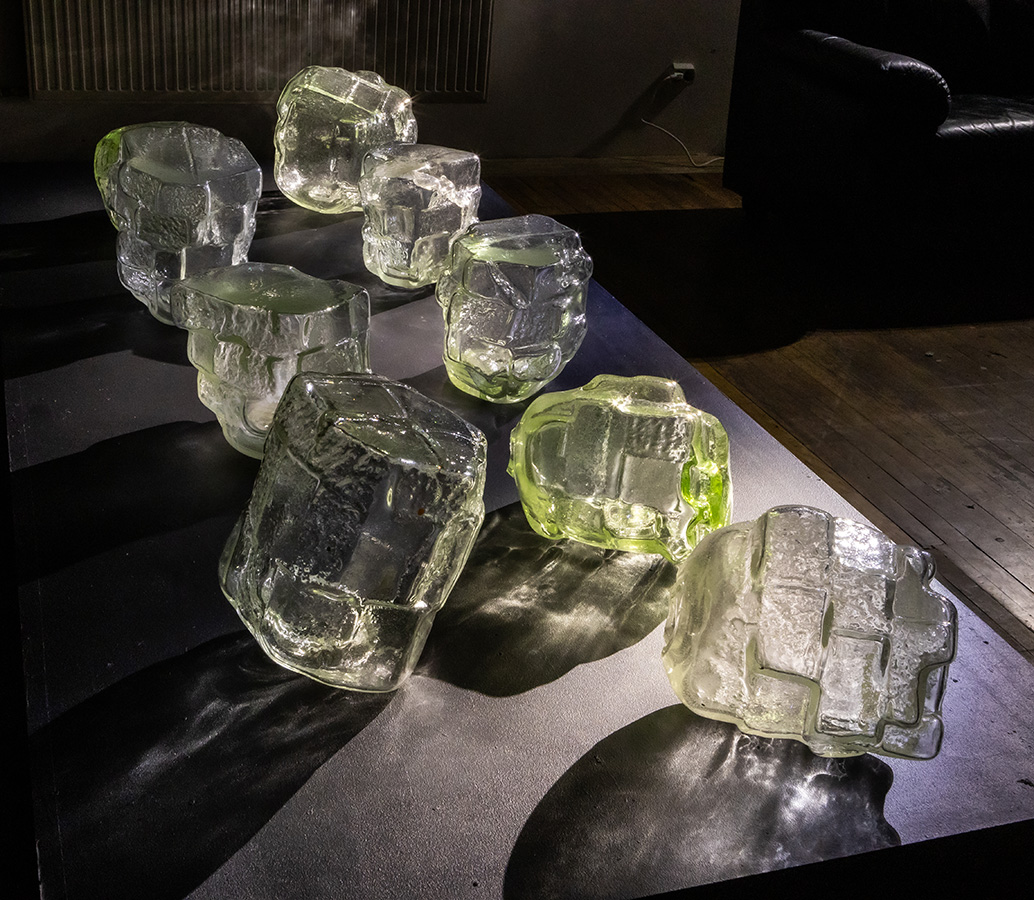
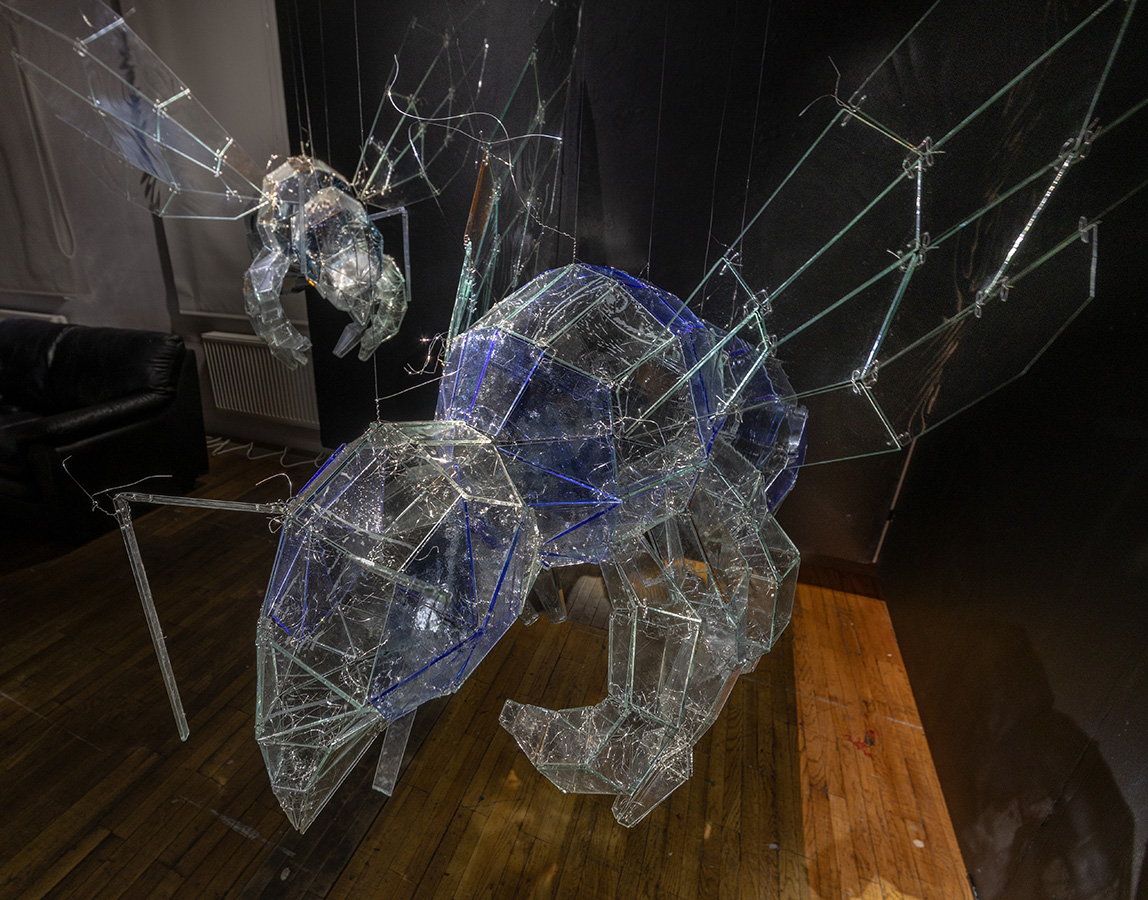
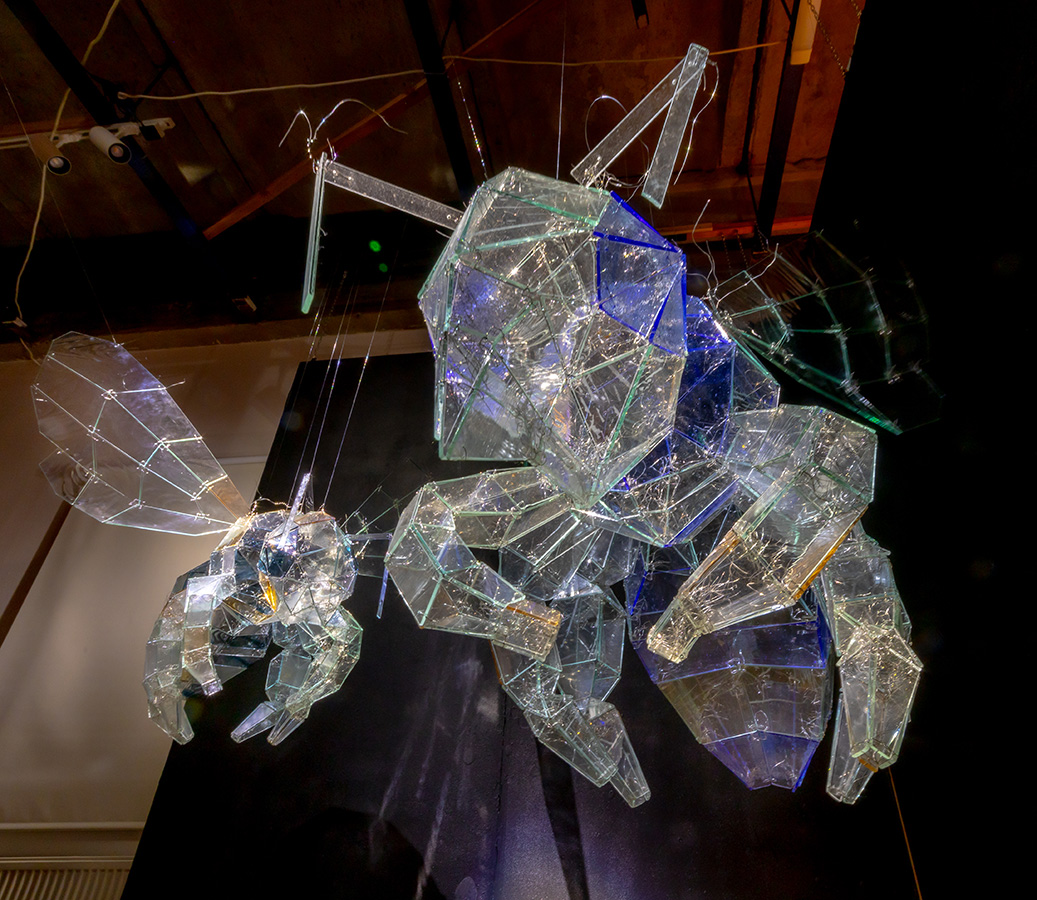
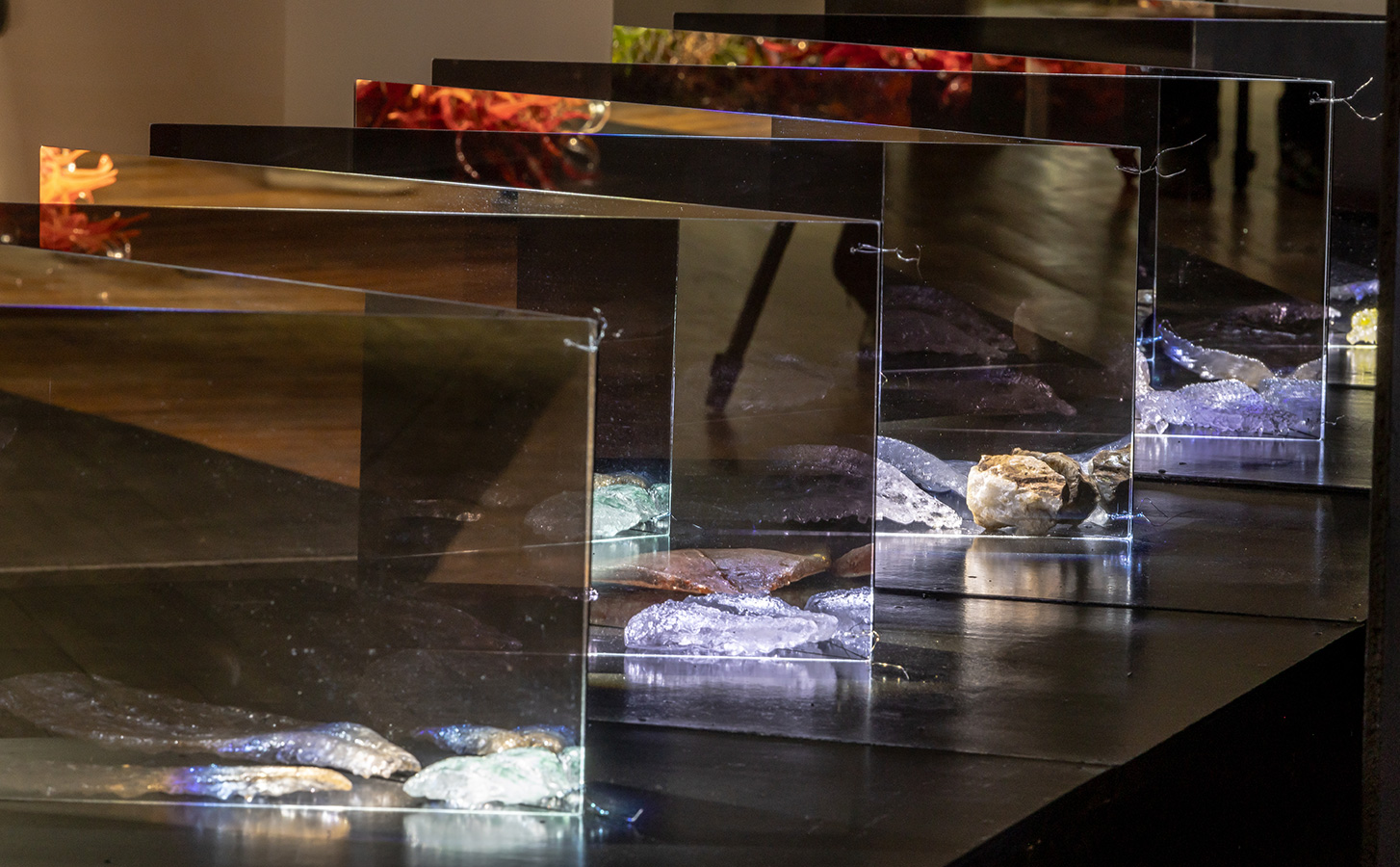
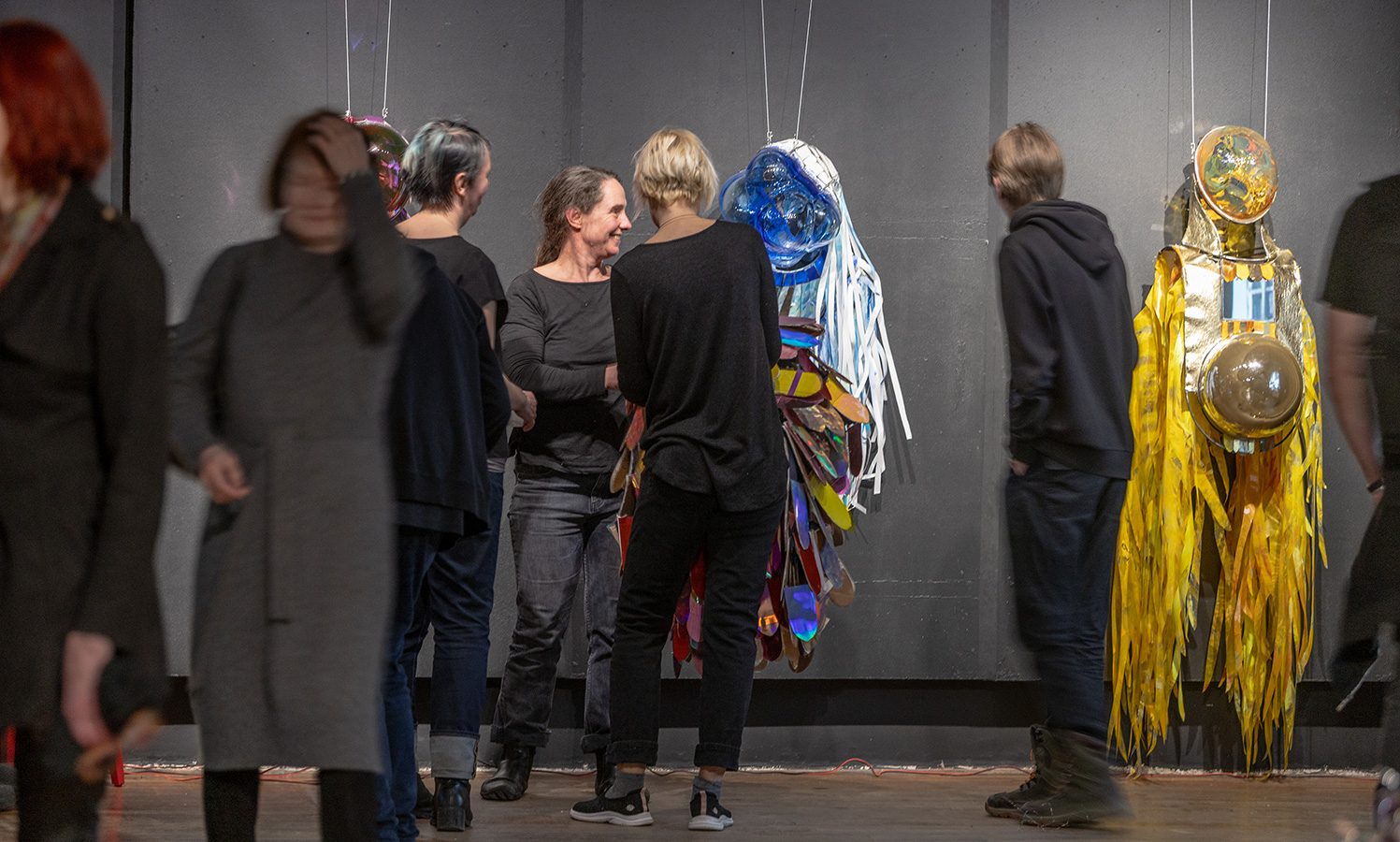
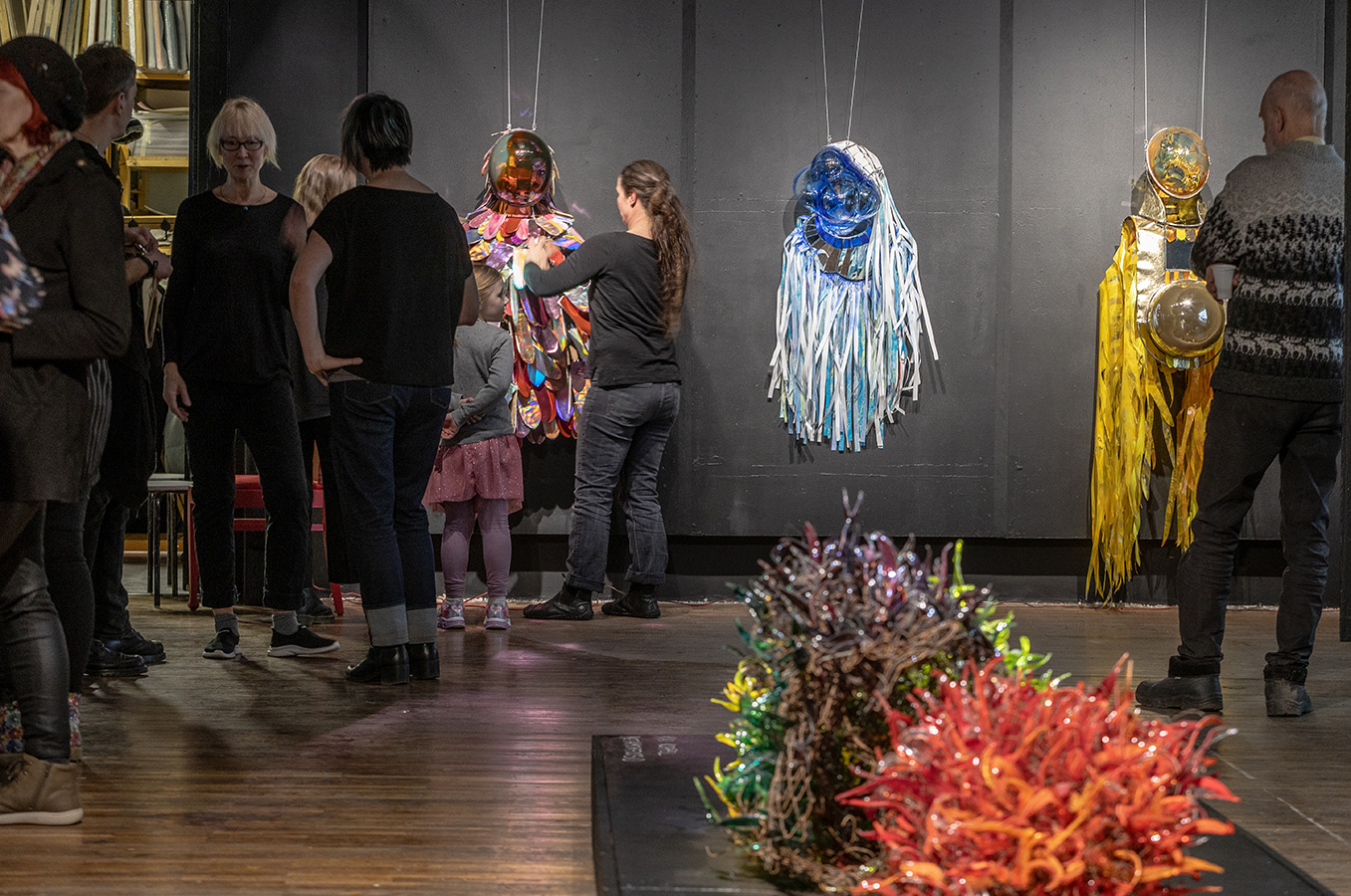
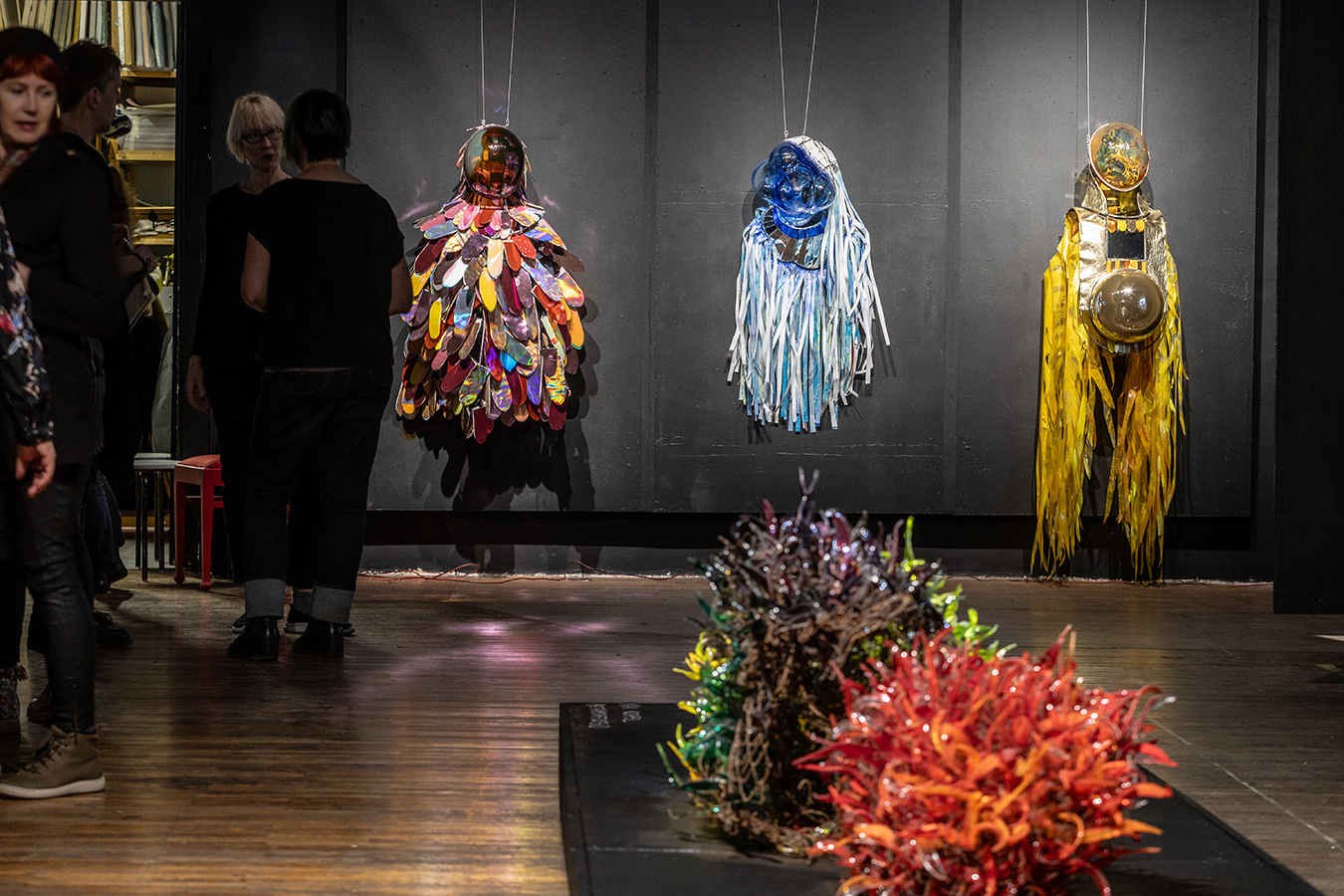
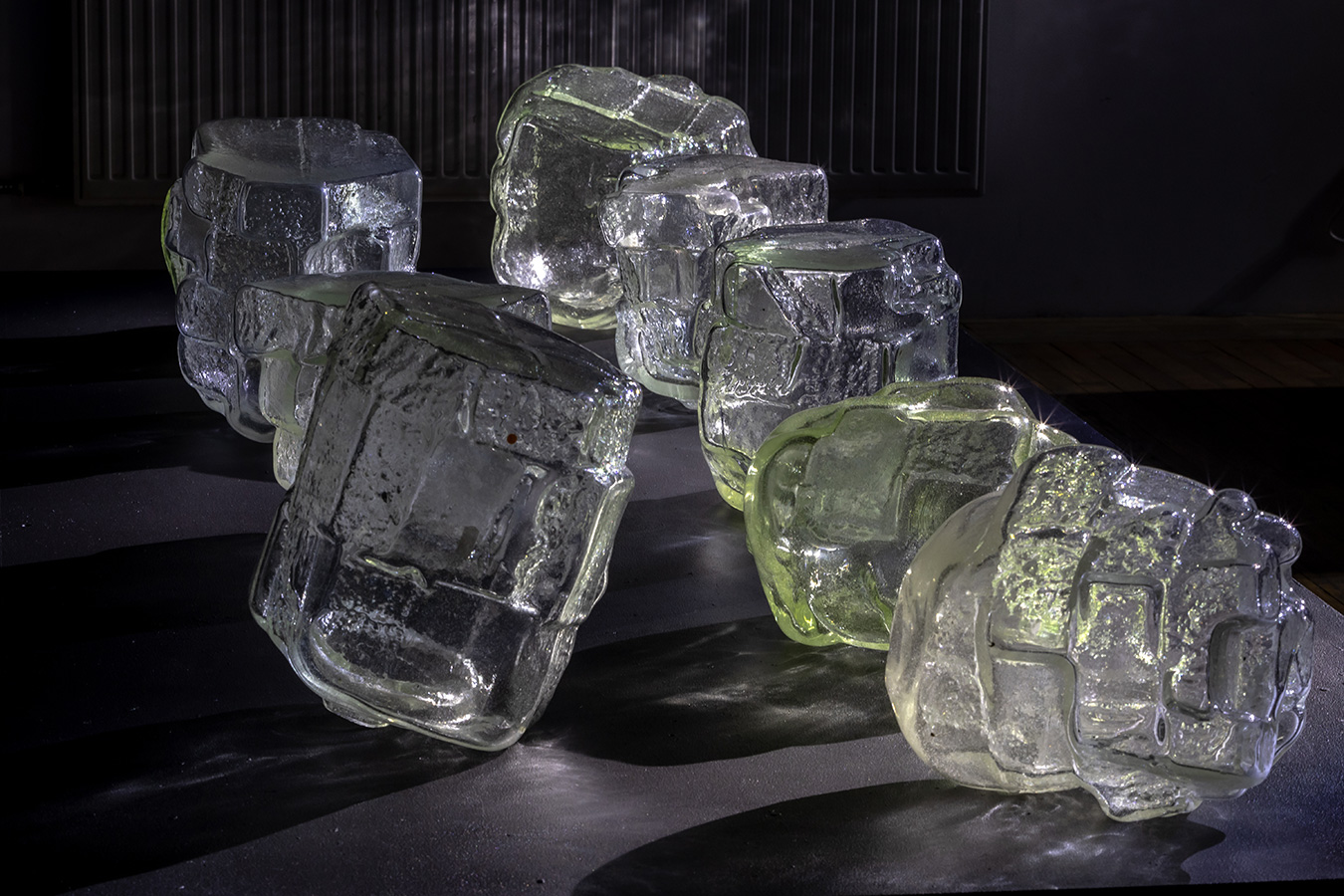
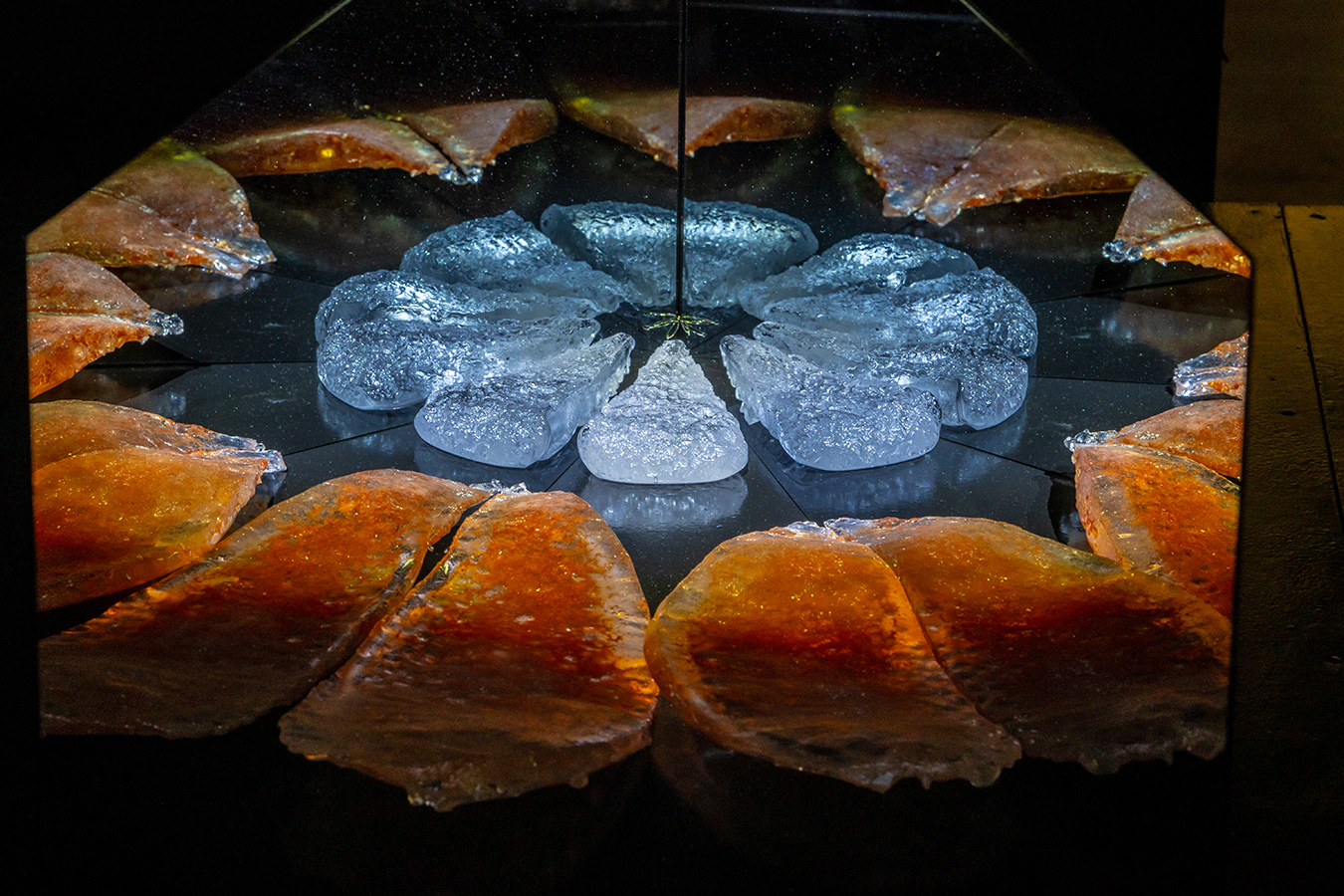
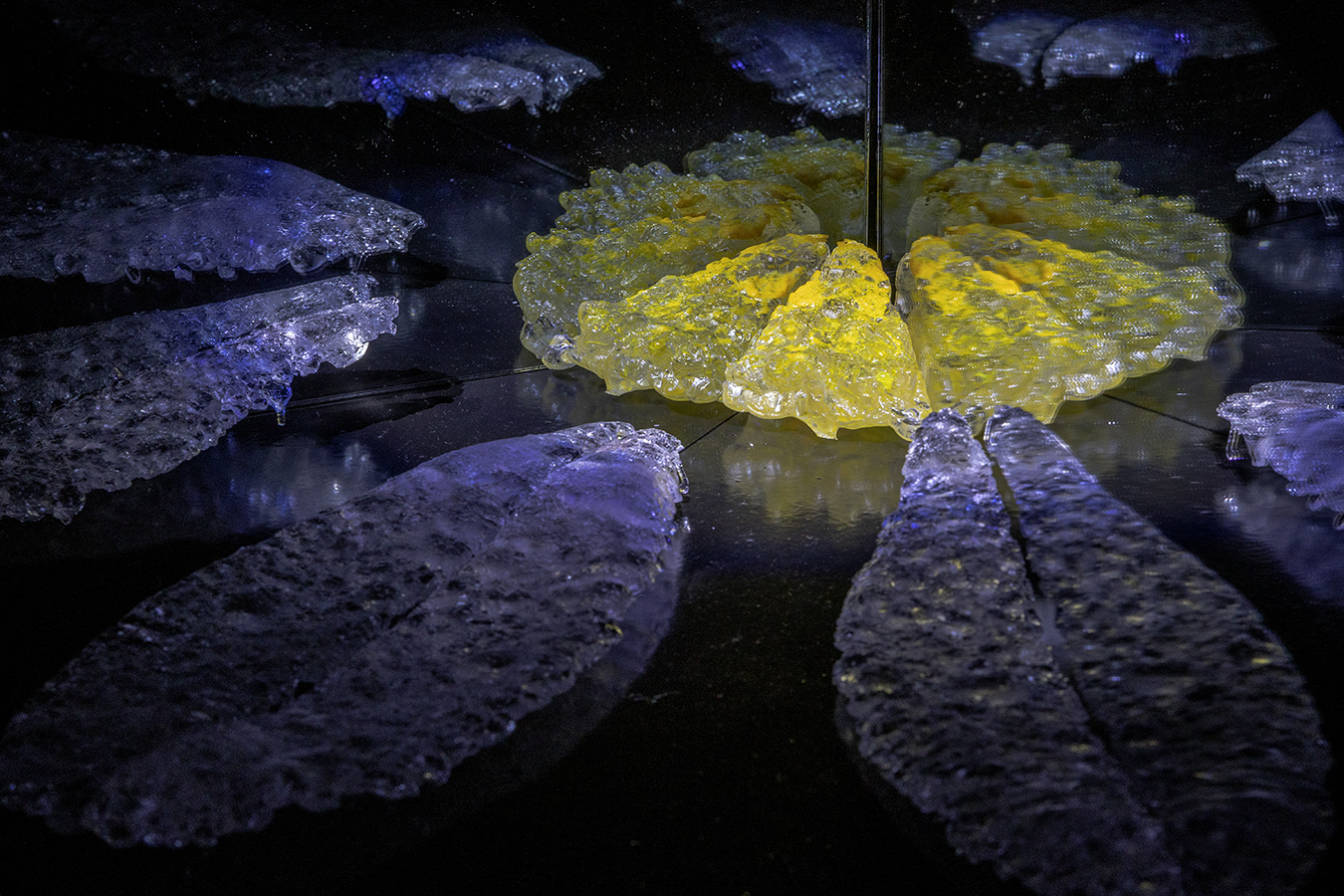
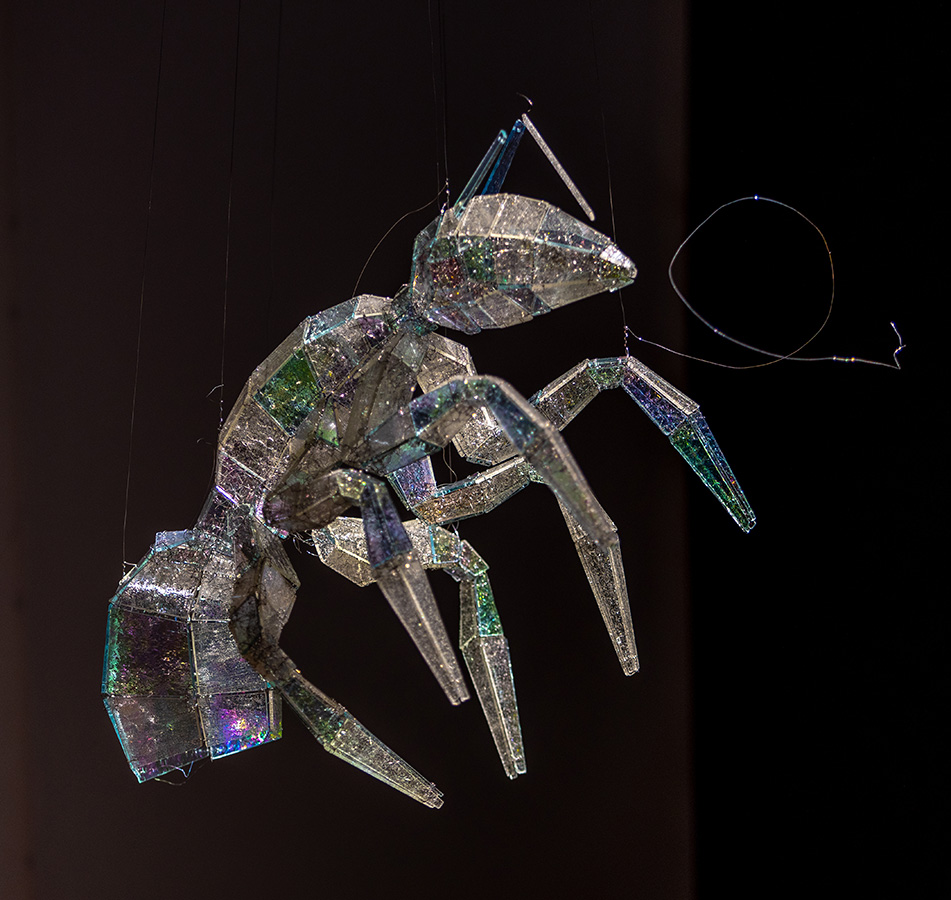
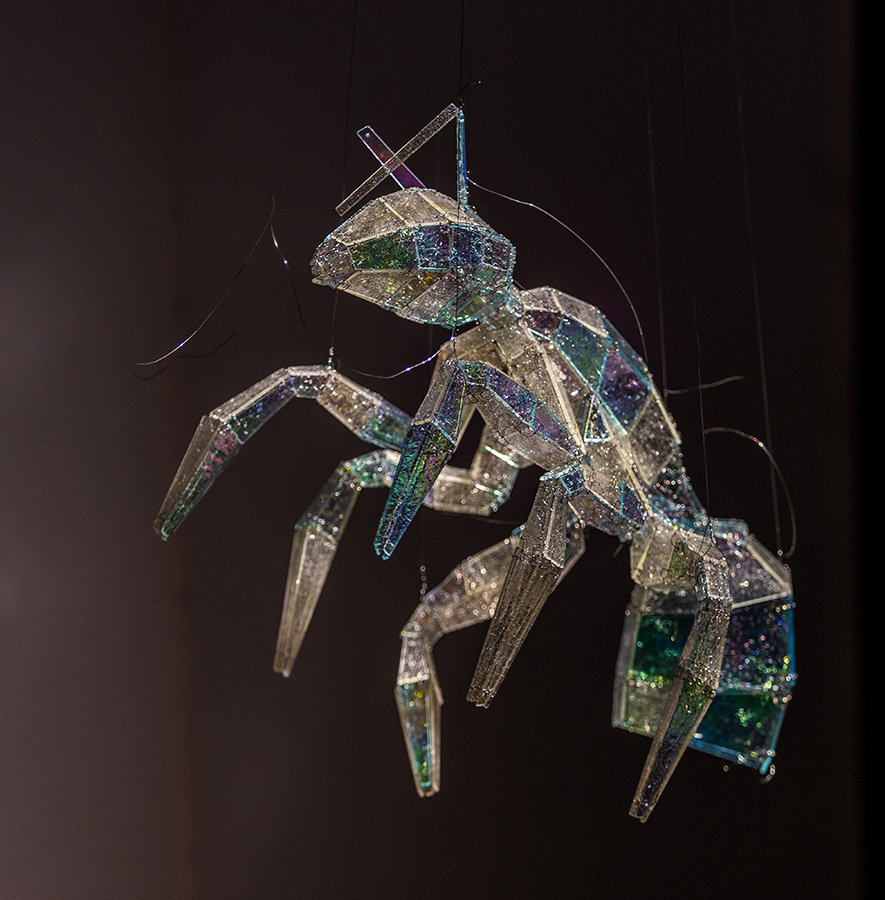
A Conflation is defined as the process of uniting or blending separate objects, texts or ideas.
The world is made up of various opinions, viewpoints, cultures, races, religions, all mixing with each other, and it can sometimes look like there’s not enough space for them all. In tight situations, we perceive that our own point of view might not be the only valid one. To keep existing, one has a choice to encapsulate in one’s own bubble, or to react with violence, or, perhaps, to accept diversity.
Differences can enrich and enliven our world. An attempt at understanding can leave us perplexed, curious, or pleasantly surprised. It is a freeing sensation when we realize that the world is not a monoculture.
In this exhibition, we display the differing layers, analyze their past and future, interactions and fusions.
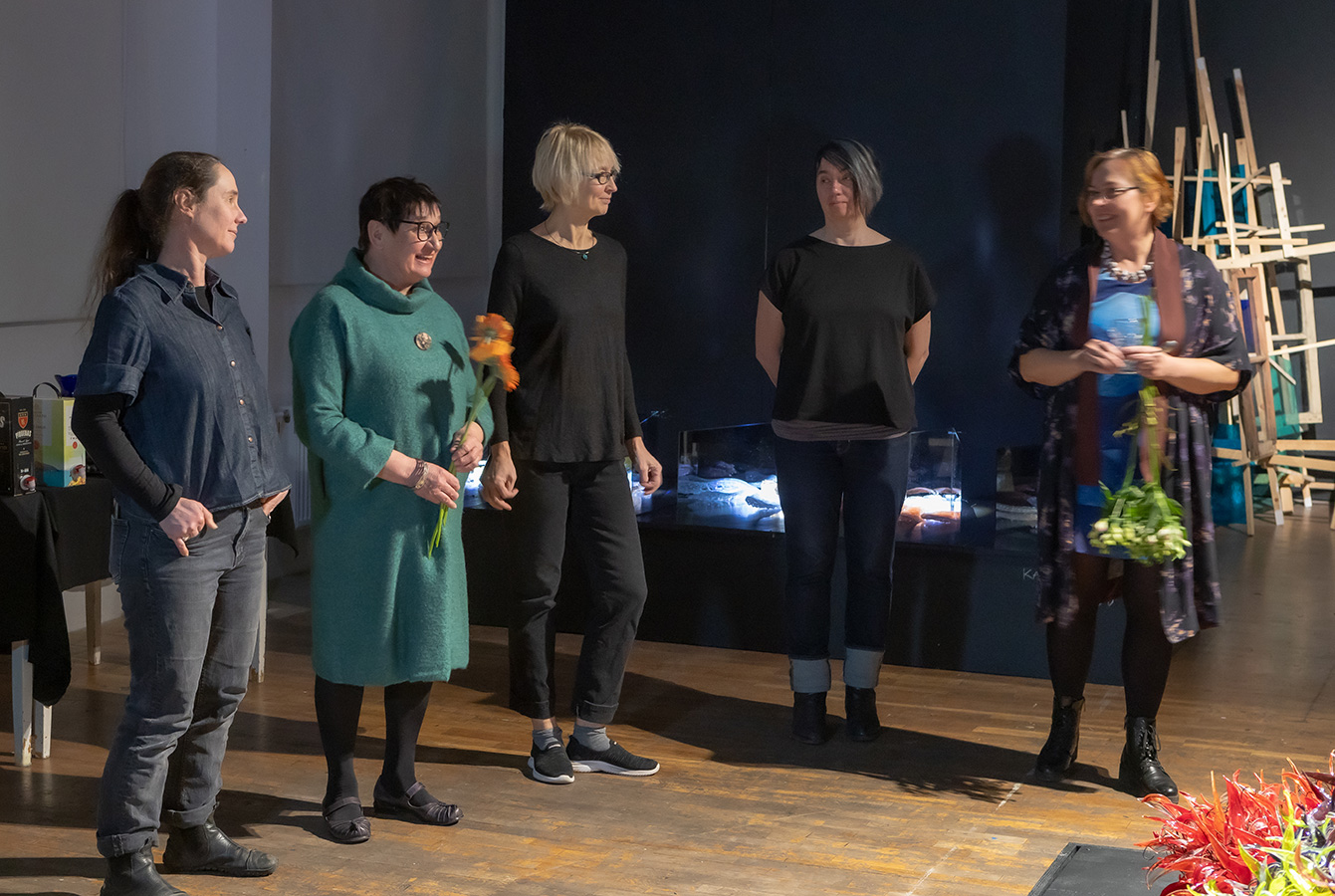
Part of the programme of the 6th Women’s Nights Film Festival in Rapla.
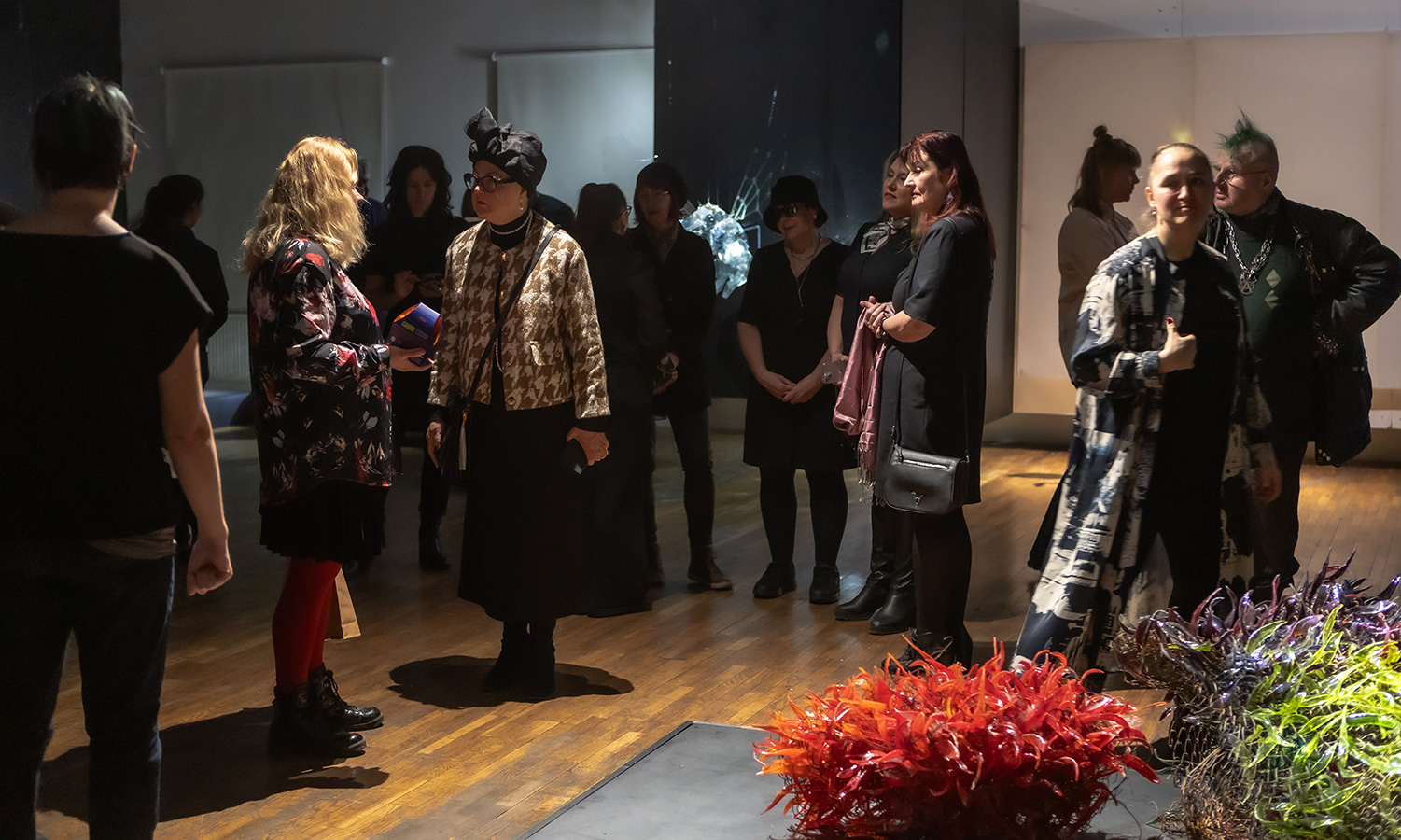
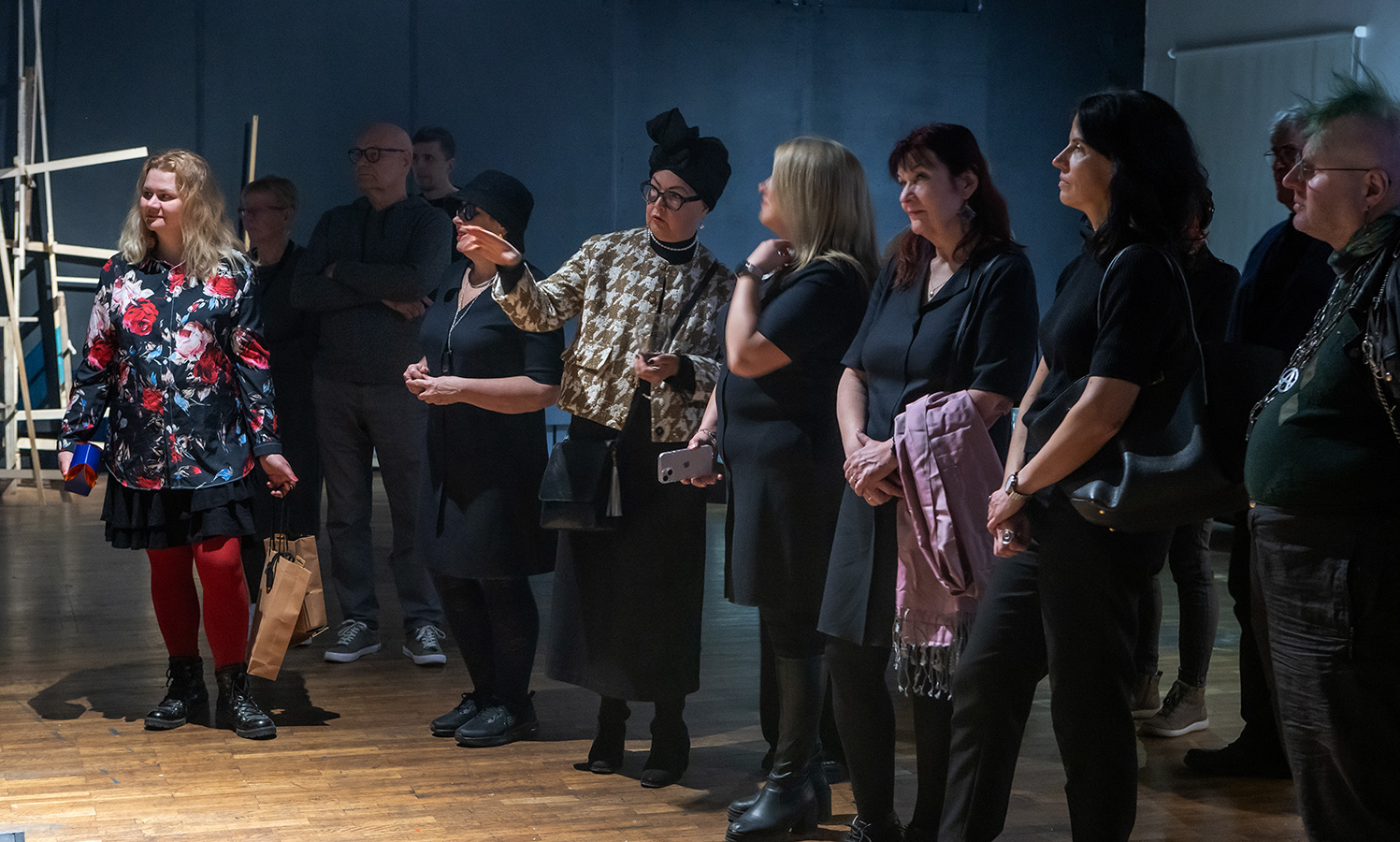
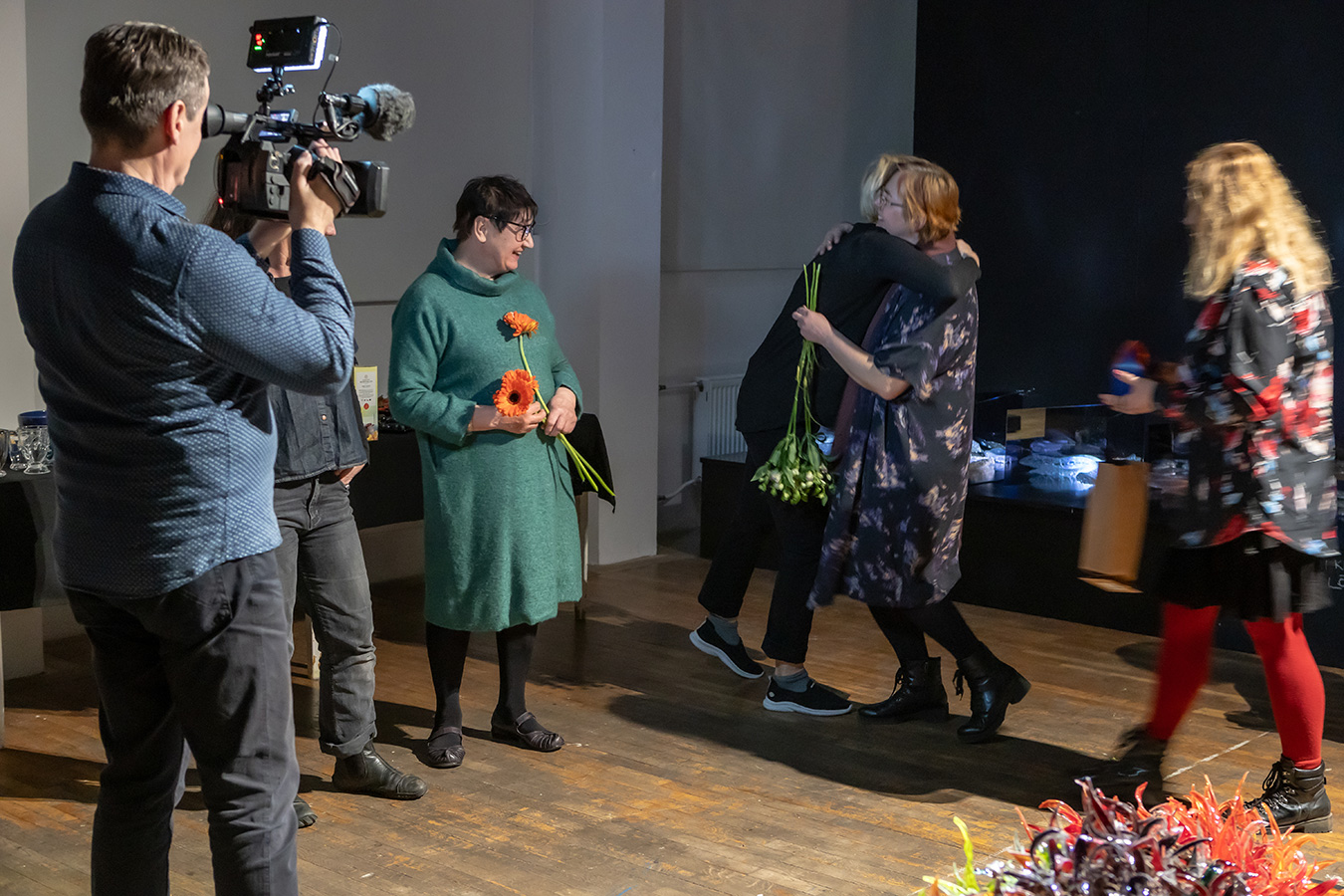
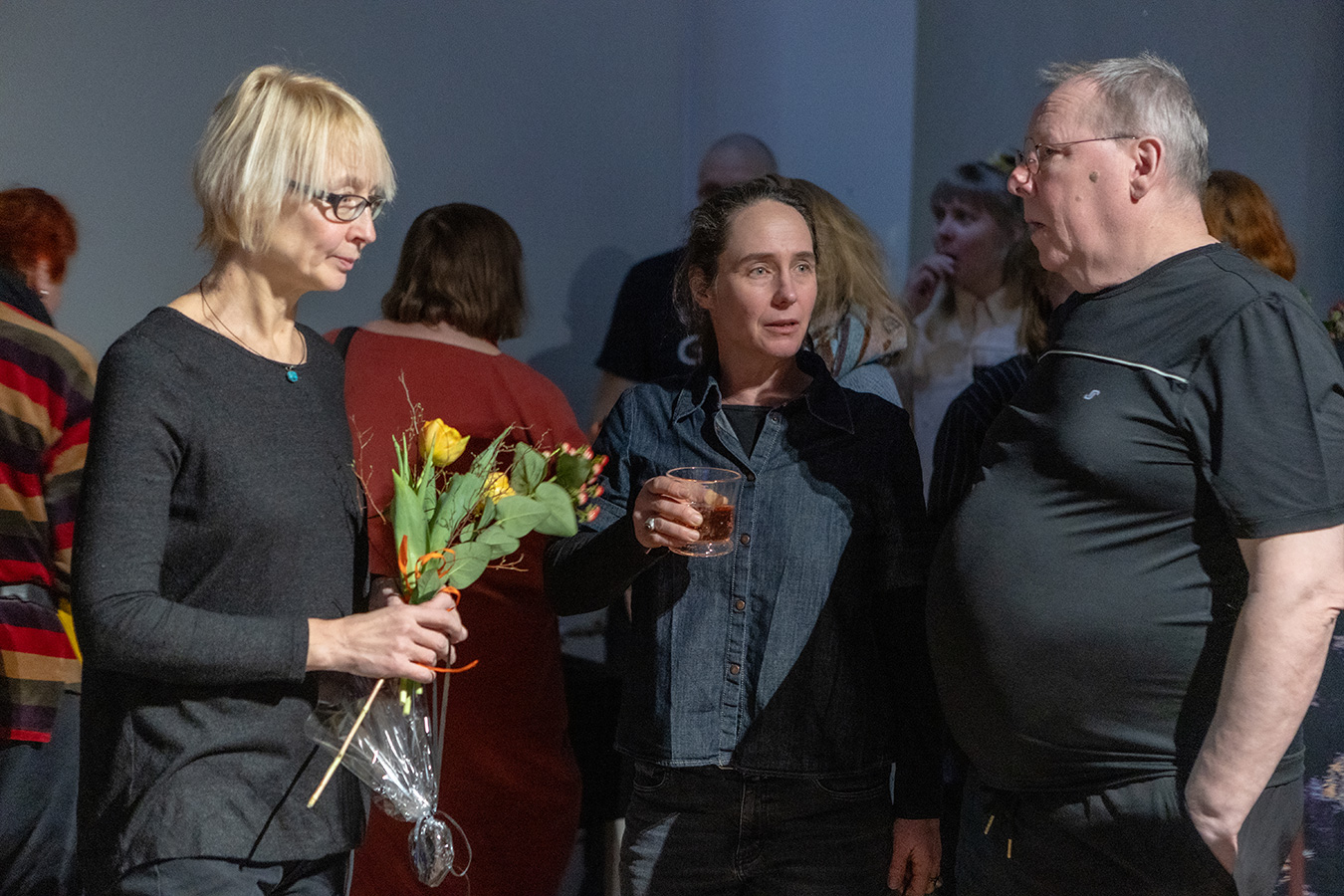
Opening March 7th at 19.00, with a performance by Simone Fezer.
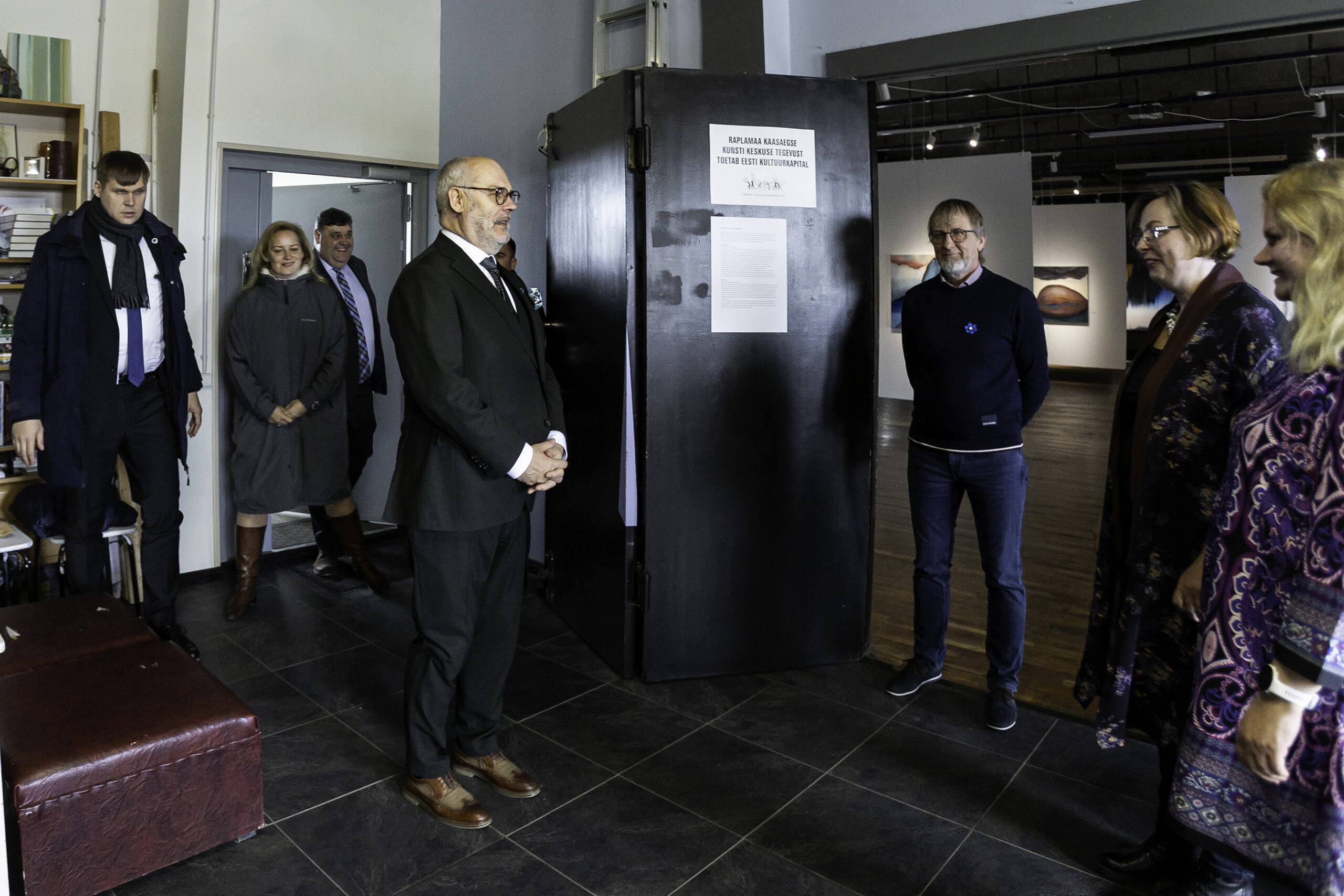
Photos: Mati Hiis.
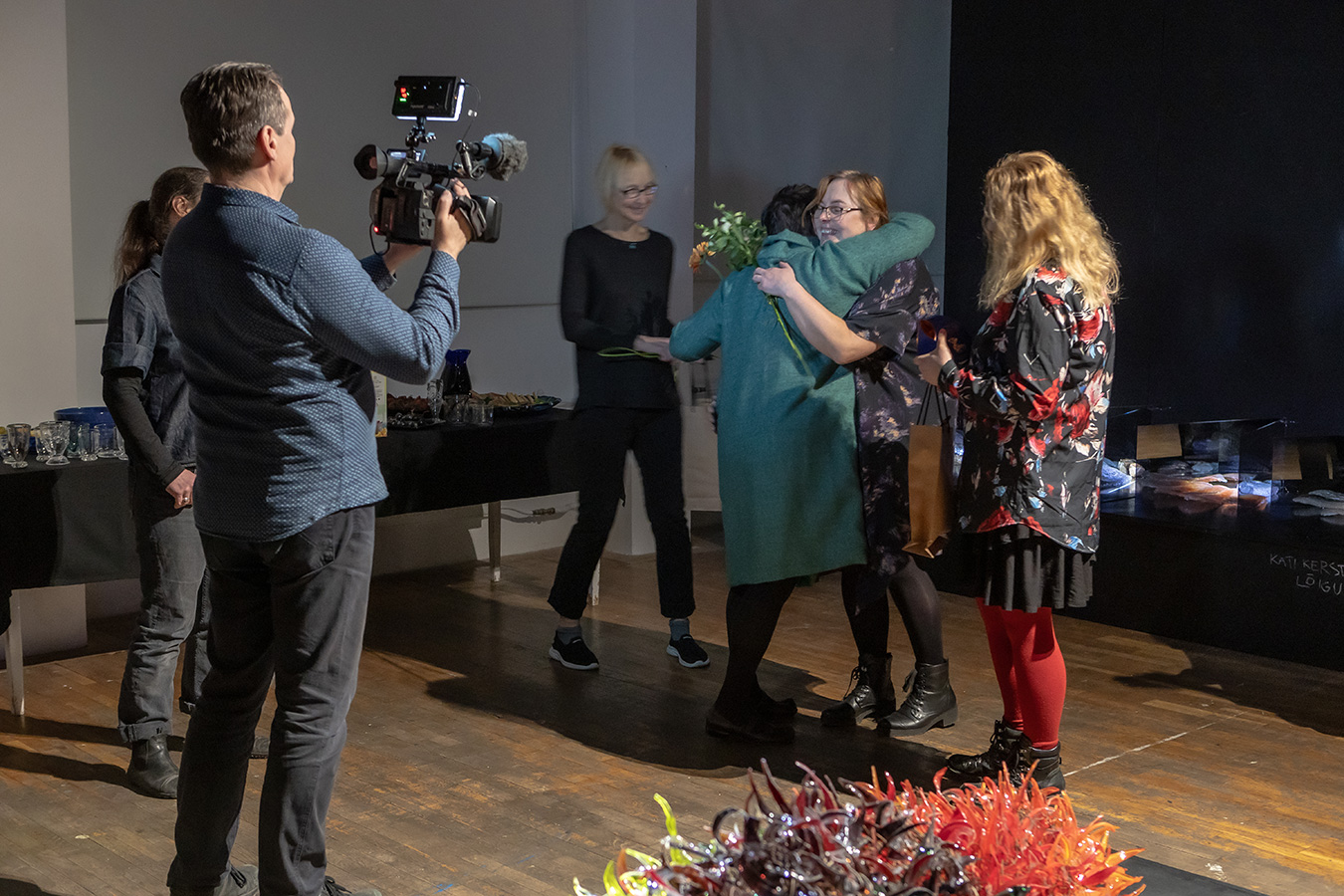
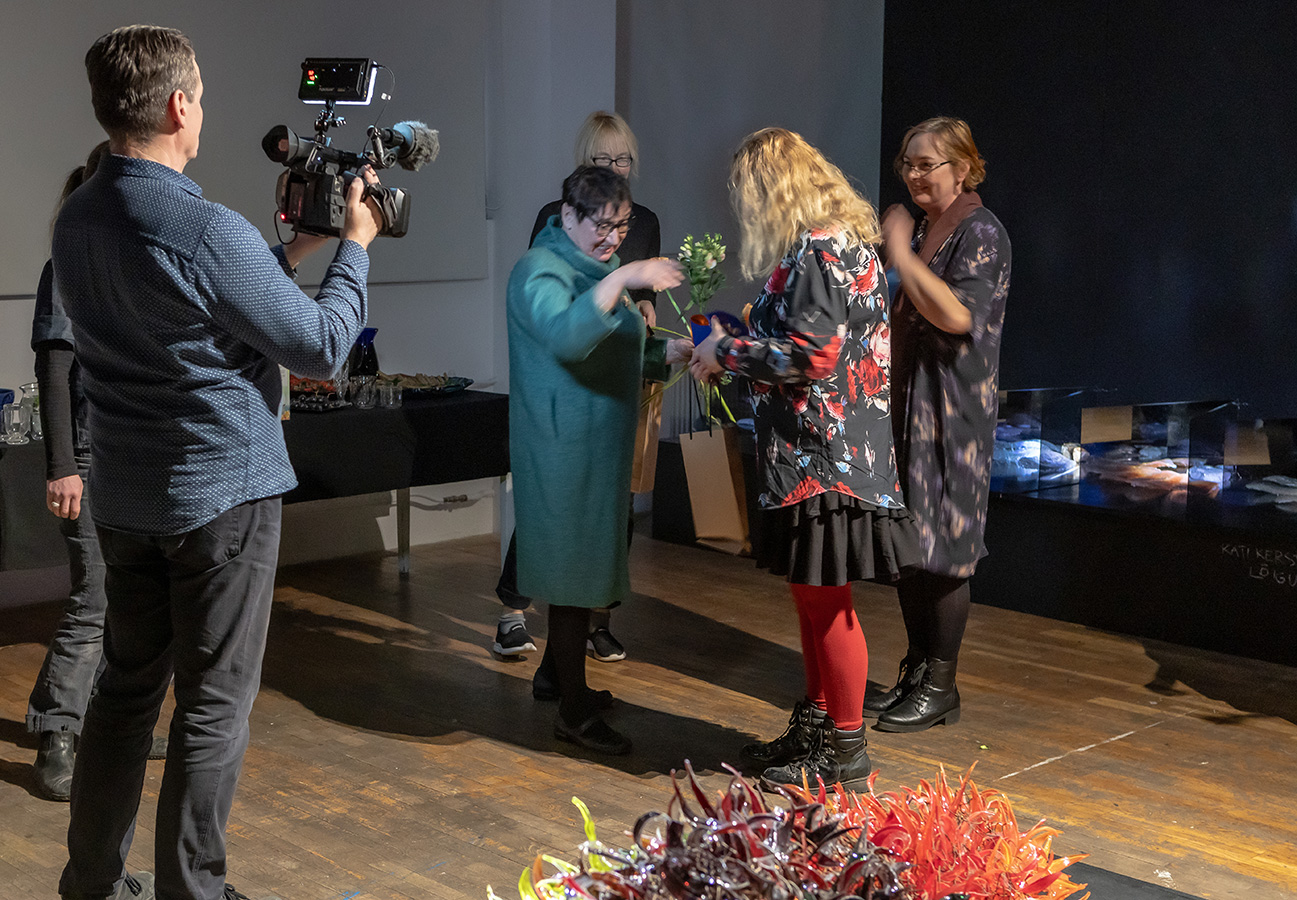
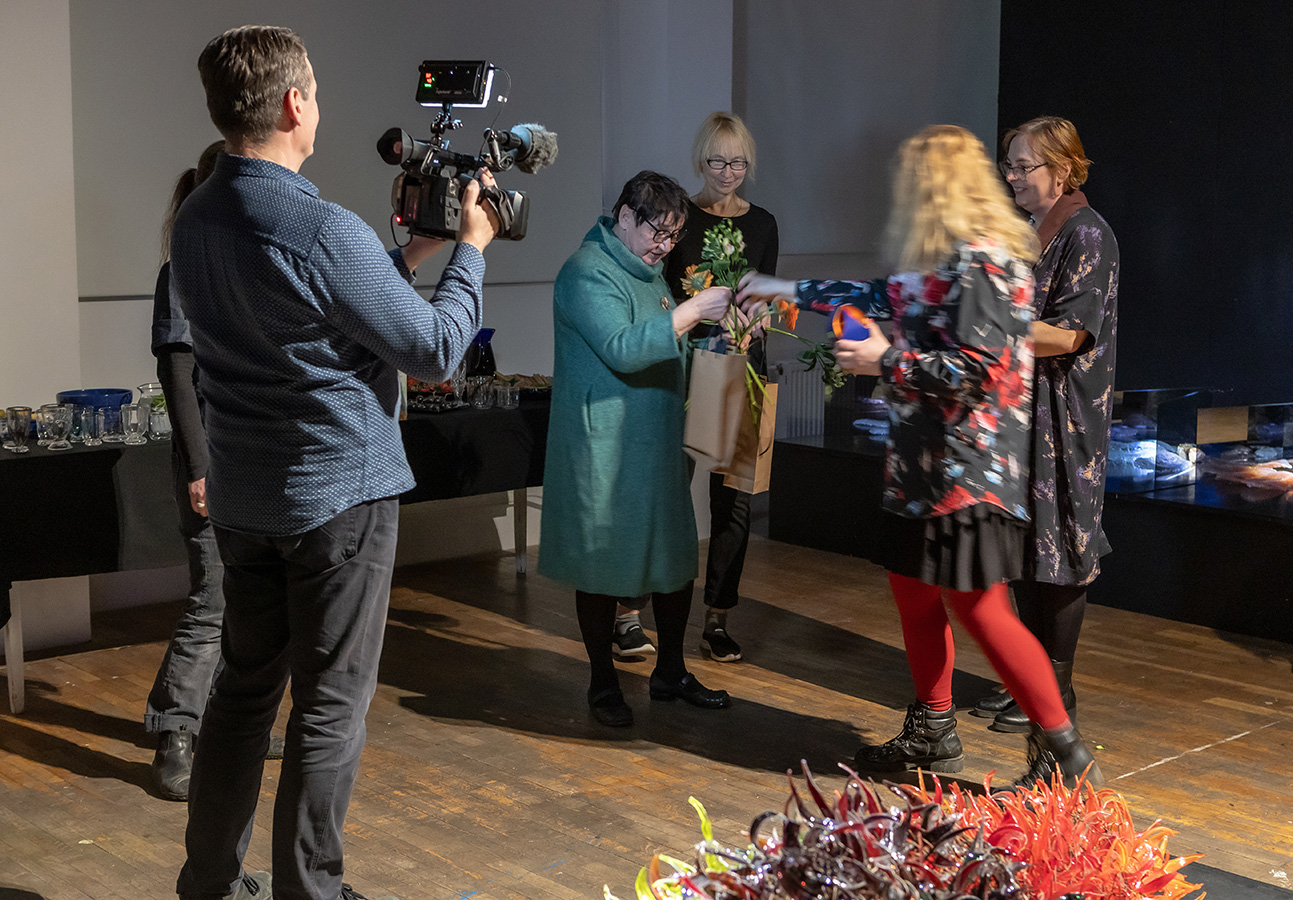
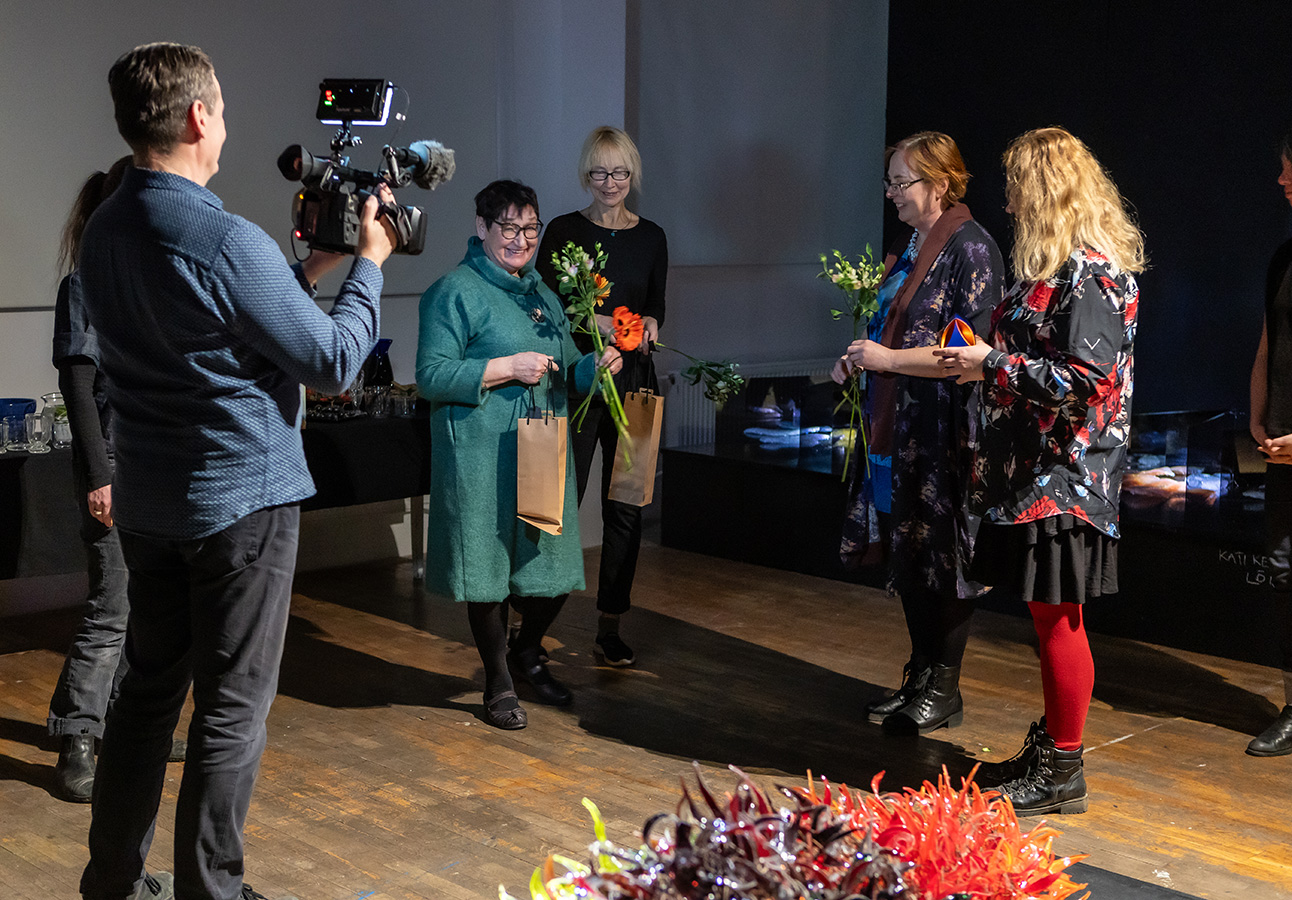
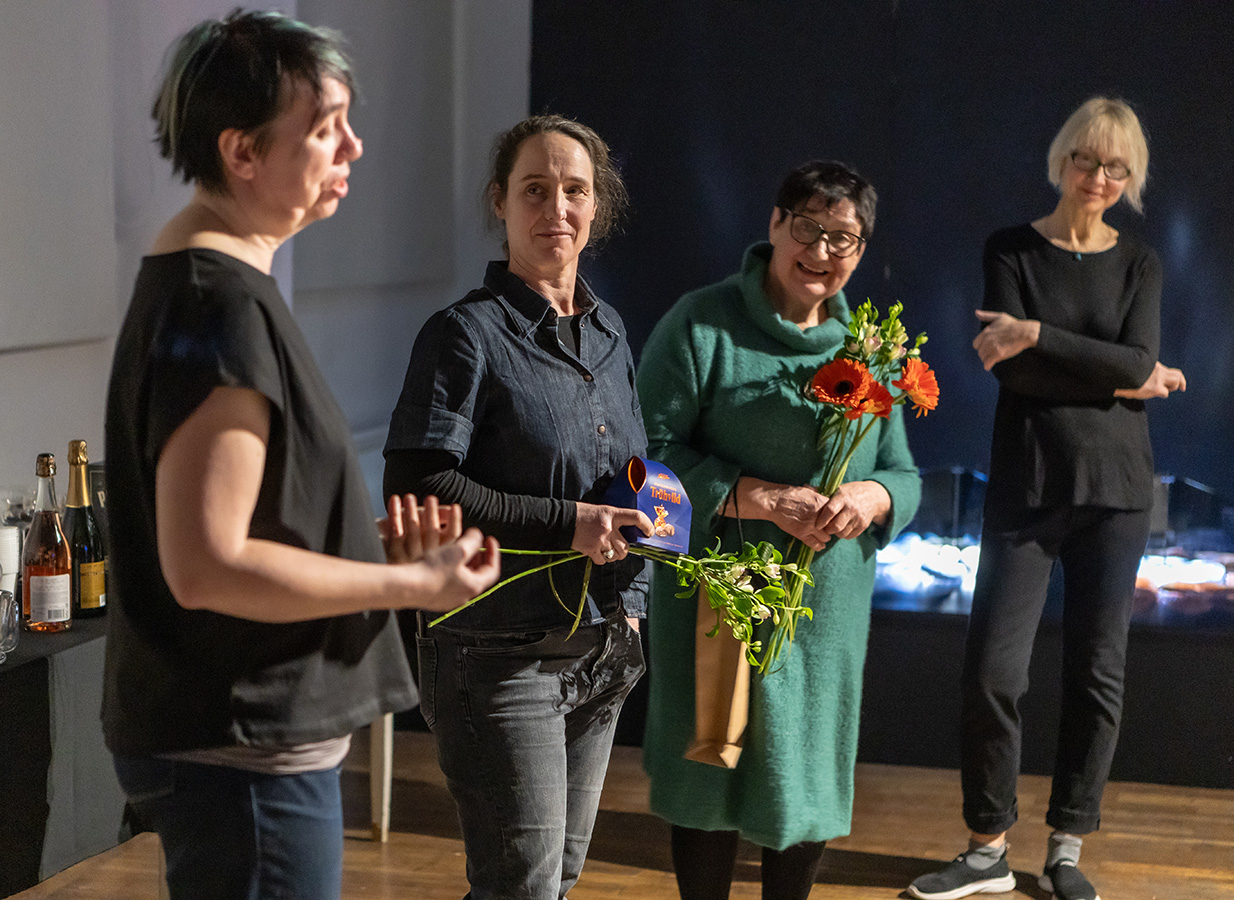
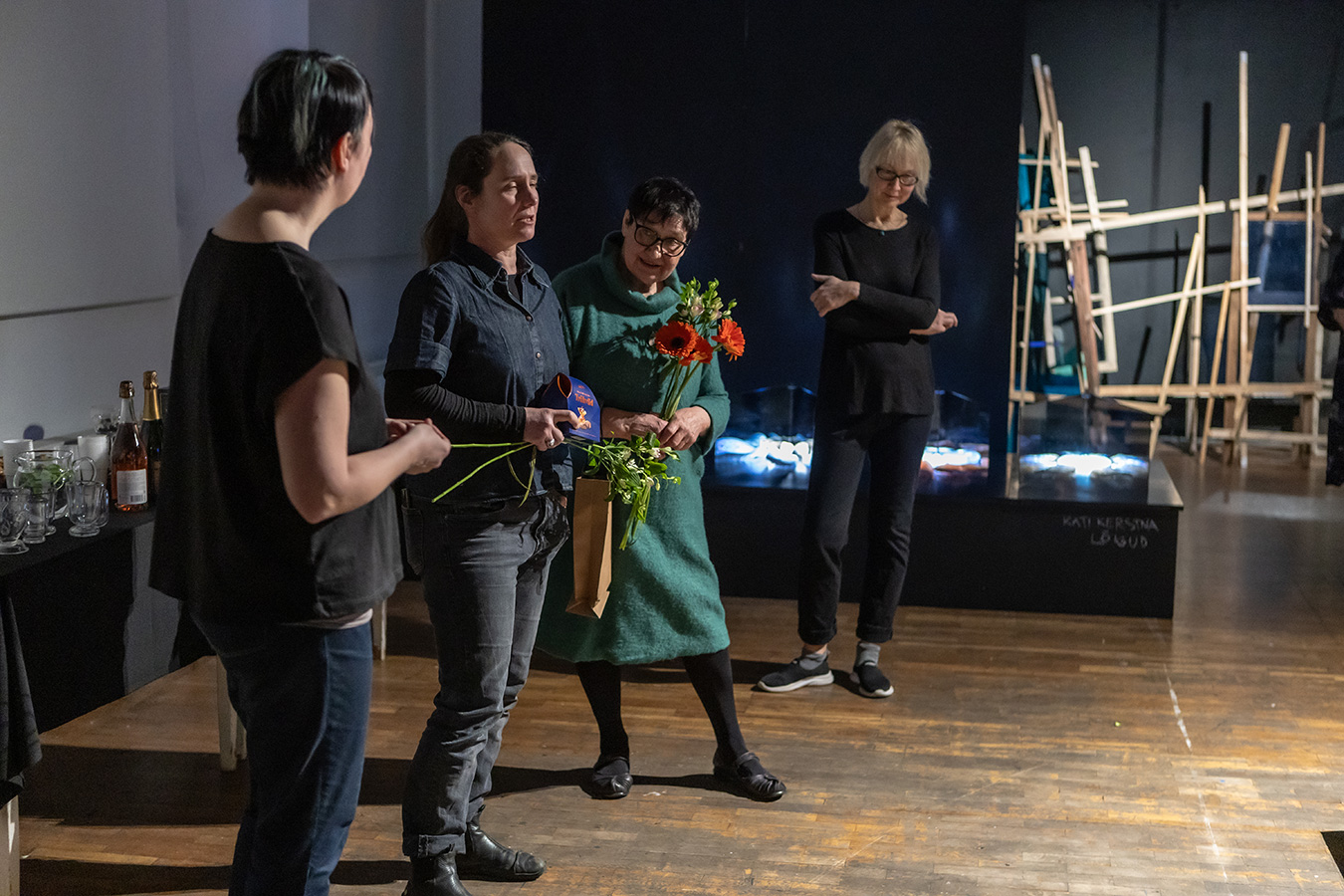
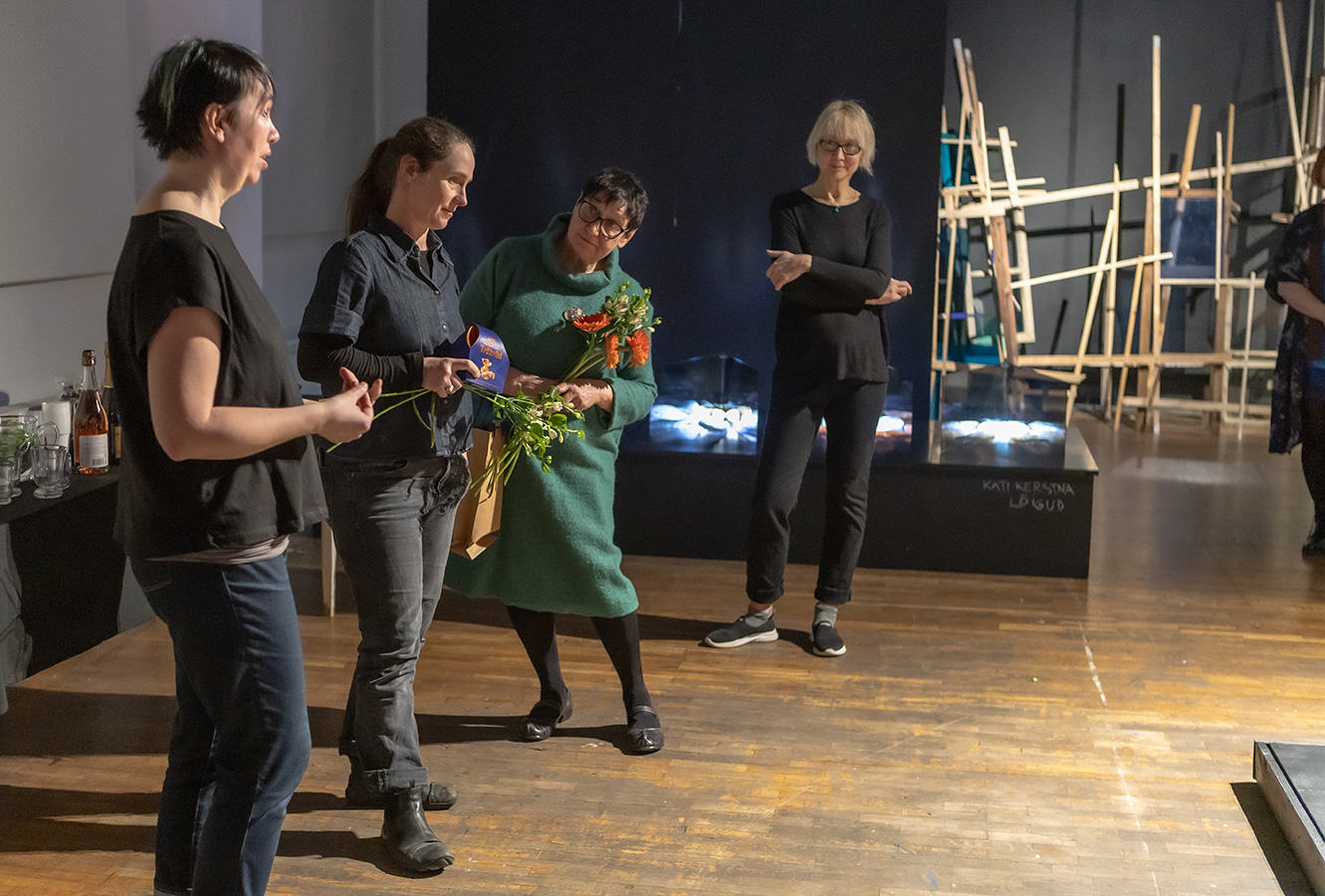
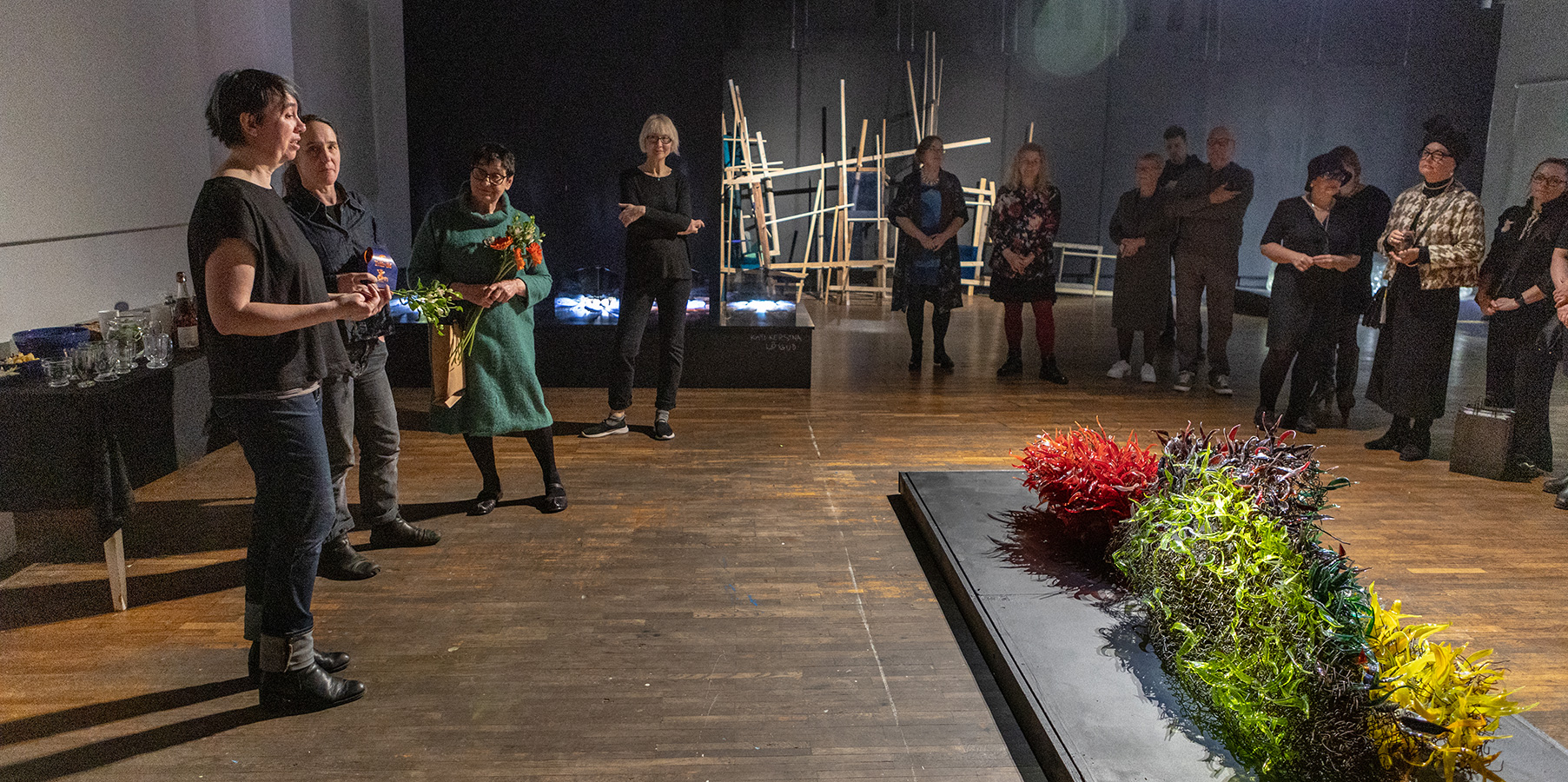
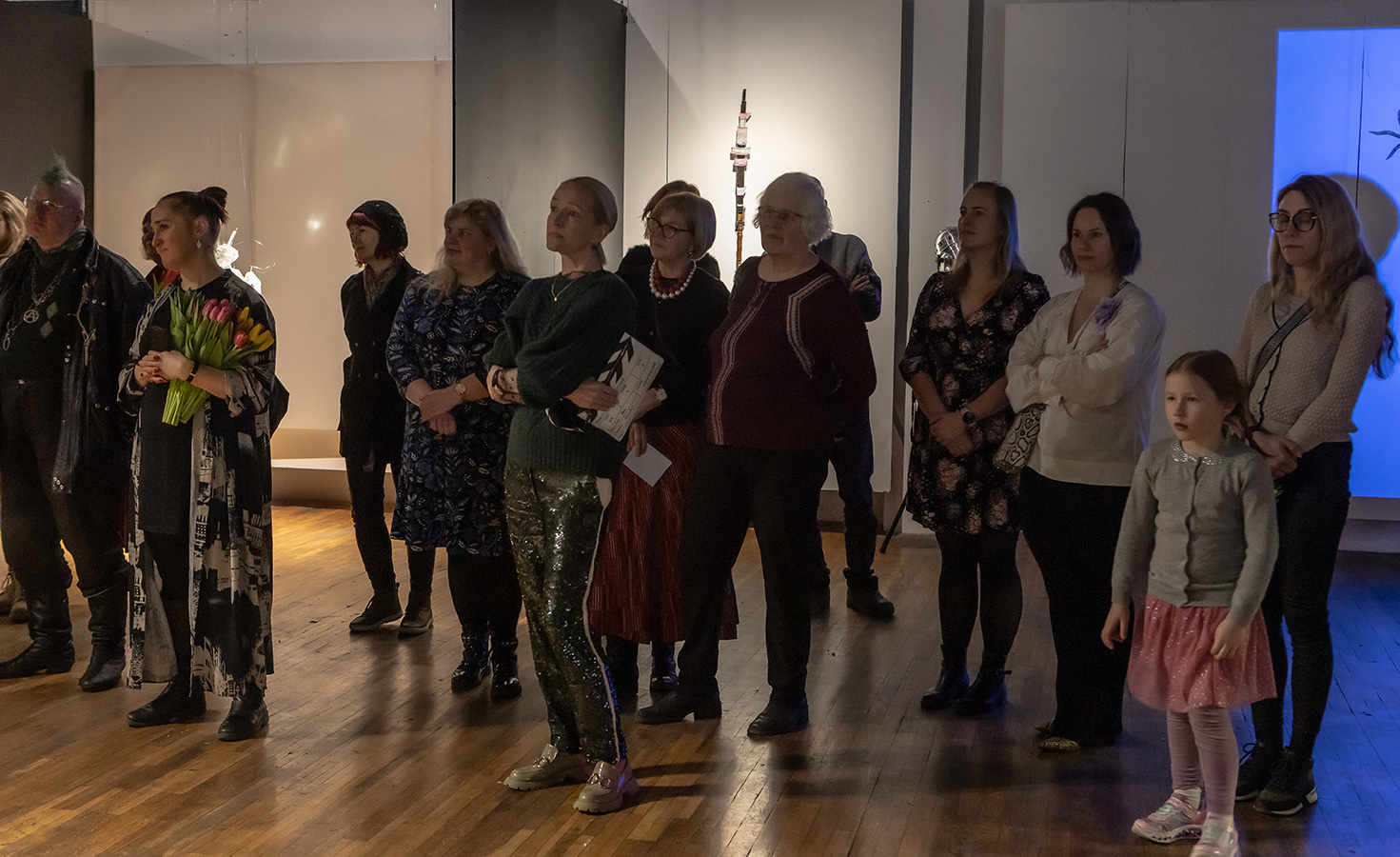
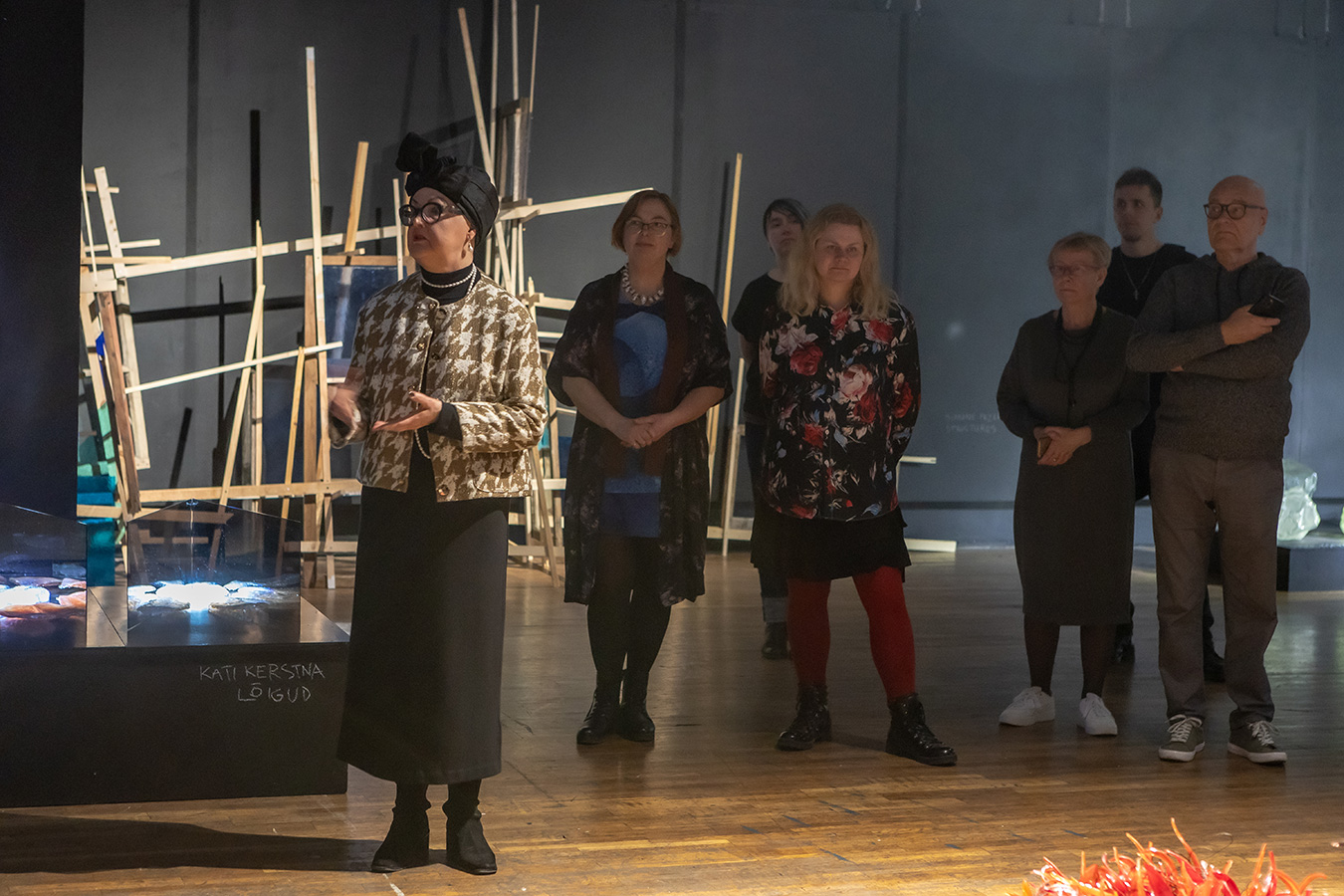
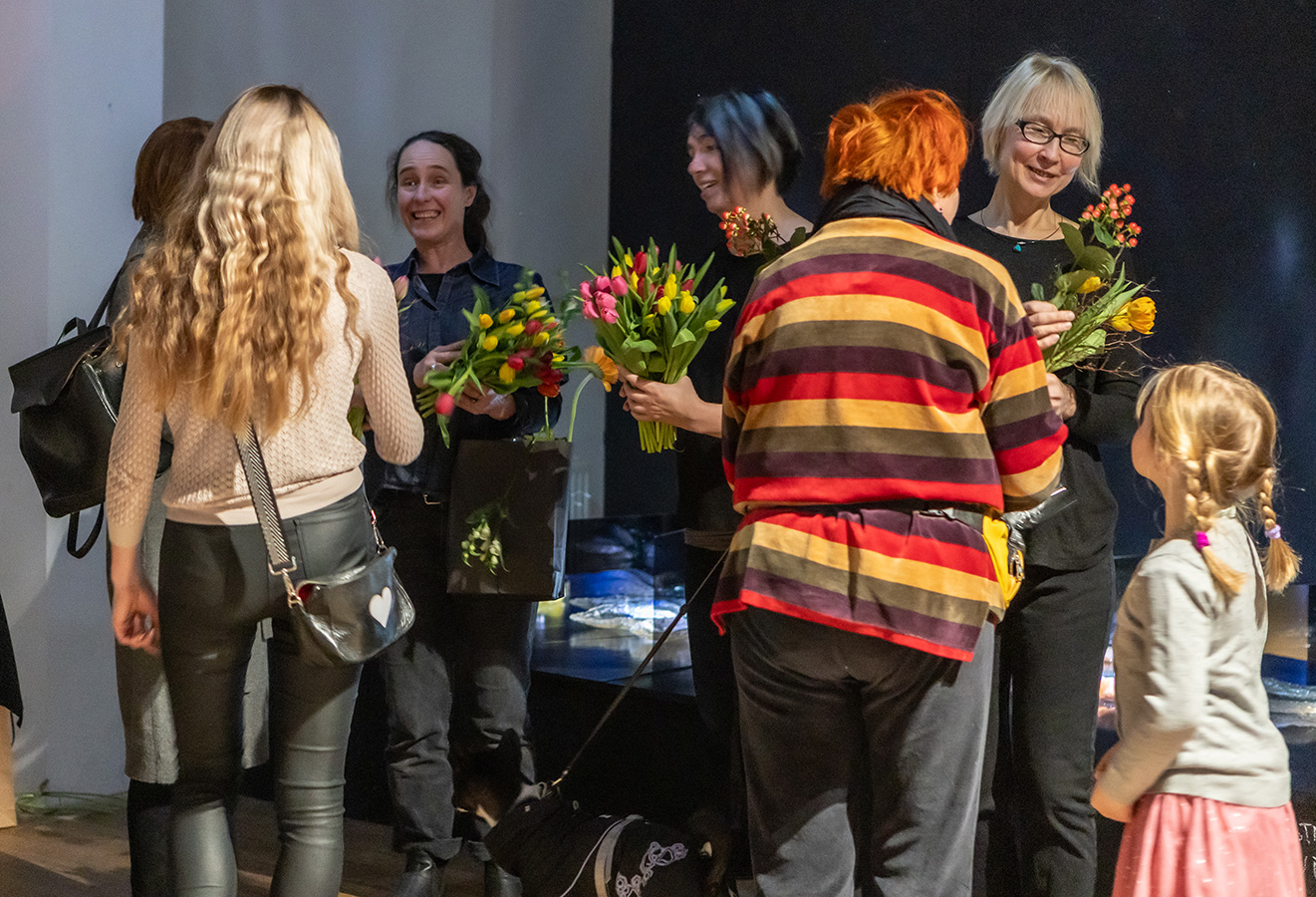
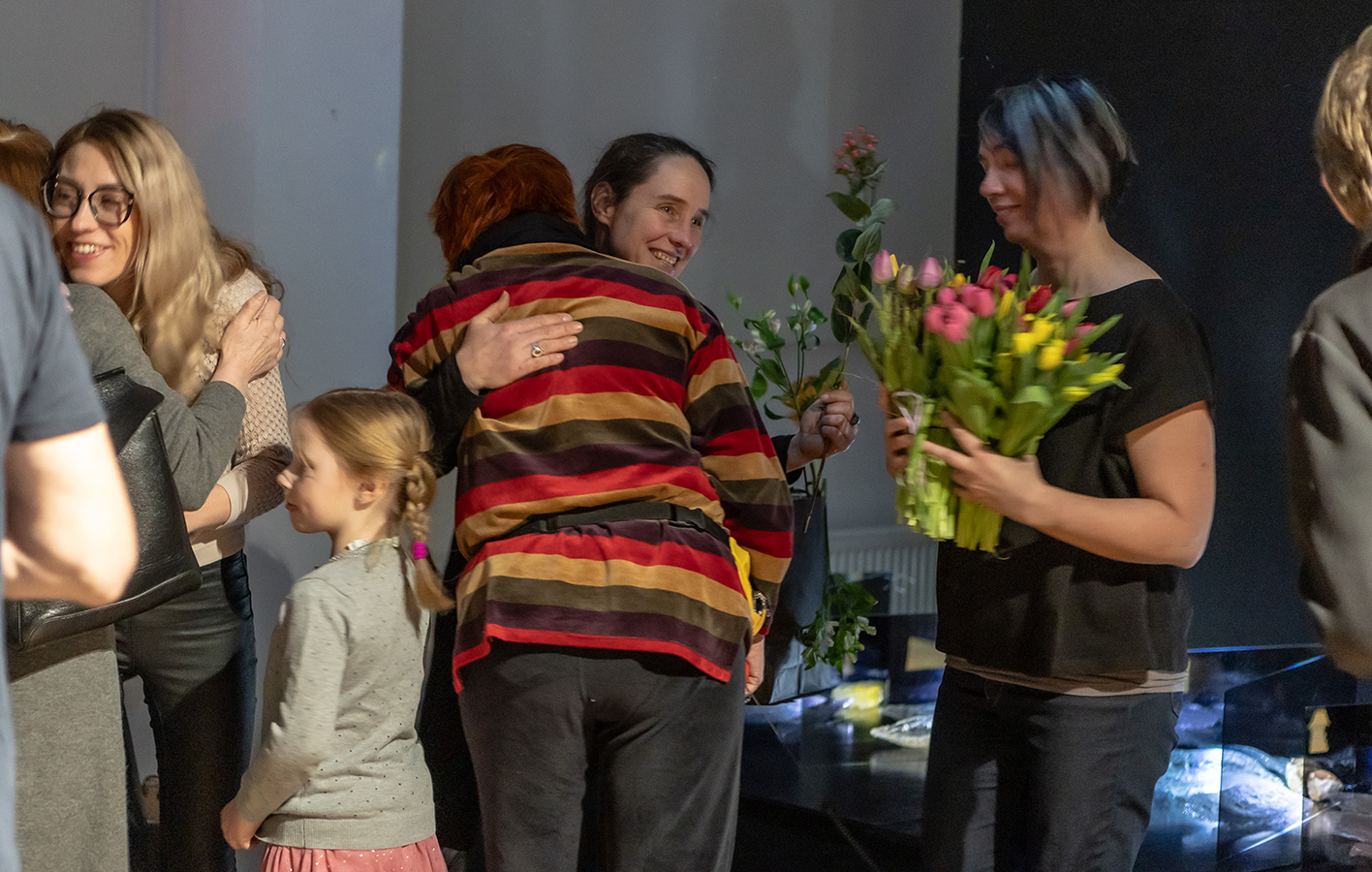
Simone Fezer https://simonefezer.com/
Kai Koppel http://kaikoppel.ee/
Kati Kerstna http://katikerstna.ee/
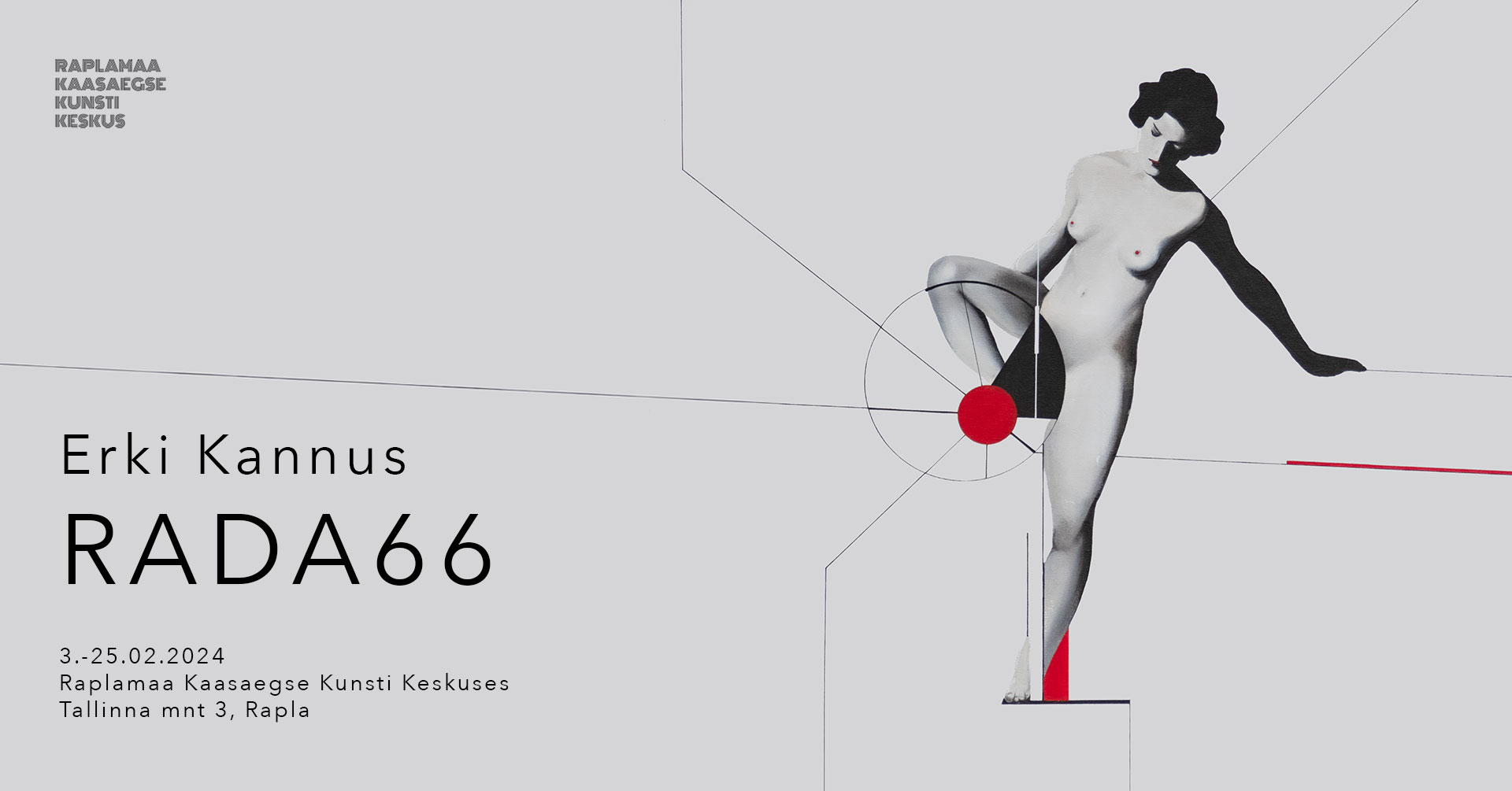
Erki Kannus: Route66
Erki Kannus
ROUTE66
Feb. 3-25, 2024 at the RCCCA
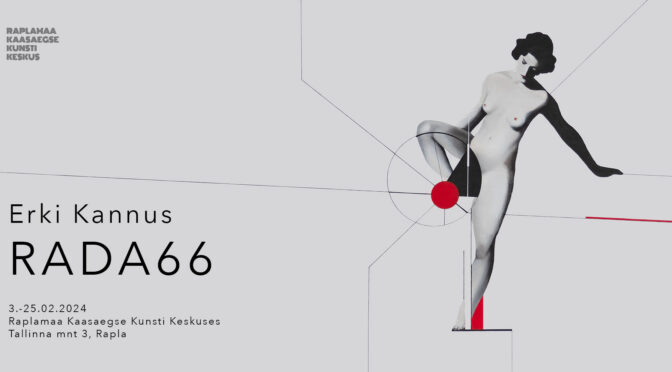
Erki Kannus (1958) celebrates his 66th jubilee with this exhibition, displaying both very recent and very early paintings, drawings and objects.
The artist describes how the exhibition came together:
“In Spring 2023, I re-bought an old print of my own creation, that had been in the collection of Matti Milius, dissolved after the collector’s death. This is one of my earliest works ever displayed, from 1977 or ’78, and the only surviving work from that time. Back then, we used to be a group of art school graduates, enchanted by Constructivism and Suprematism. Leonhard Lapin was our great friend and mentor.
I have returned to those themes now and again, and now, finding inspiration from my past, I painted a whole new series.
I’m also a lifelong fan of Surrealism and the DADA movement. I’ve tried to understand the state of mind behind the creation of these works, to see what feeds the imagination. I’ve tried to find my own surreal visions, since I find this world relatable, attractive, and safe. Sometimes, I can make it work.
View photos: https://erkikannus.raplakunst.eu/?p=778&lang=en
 Open 03. – 25.02. 2024
Tue-Fri 15.00 – 18.00
Sat-Surn12.00 – 15.00
Mon closed
Open Studio
Friday, Jan 12, 2024, 17.00-19.00
OPEN STUDIO
Riin Pallon & Kairi Orgusaar
Riin Pallon & Kairi Orgusaar
You can see selected works from recent years, drink tea and talk to artists.
You are very welcome!