JANINA MONKUTĖ – MARKS
(1923 – 2010)
A Gift to the Homeland
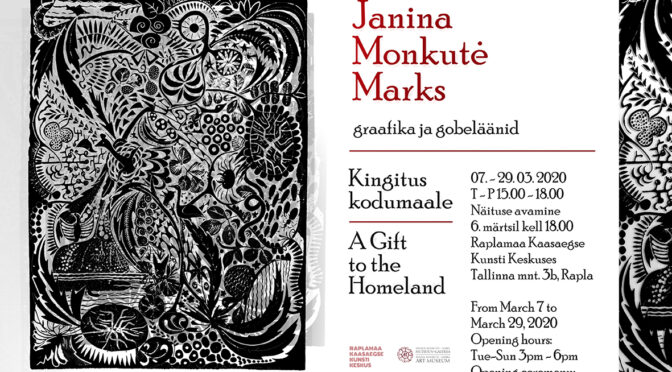
The Rapla County Centre for Contemporary Art is pleased to announce the opening of renowned Lithuanian-American artist Janina Monkutė-Marks on our premises on April… 2020. The exhibition became a reality thanks to the Janina Monkutė-Marks Museum in Kėdainiai, Lithuania.
Janina Monkutė-Marks was born in Radviliškis, Lithuania, Sept. 21, 1923; her father worked as a railwayman. Escaping Lithuania in 1944, she studiet at the Innsbruck University, Austria, and at École des Arts et Métiers, Freiburg, Germany, with a number of Lithuanian emigrants as professors – Antanas & Anastazija Tamošaitis, Vytautas Kasiulis, Vytautas Kazimieras Jonynas, Viktoras Petravičius.
In 1950 Janina resettled in the USA. Since 1956, she actively participated in the Chicago art scene, and was connected to the Hyde Park Art Center (Chicago) and the B.I.G. Arts Center (Sanibel, Florida). Her works have been exhibited by the Chicago Art Institute, The North Shore Art League (Winnetka, Illinois), Dunes Art Foundation (Michigan City, Indiana), Sun Times Gallery (Chicago, Illinois), Old Water Tower Place (Chicago, Illinois) et al; she had more than 20 individual exhibitions. She also participated in the events of Lihuaninan culture & art organizations, e.g. the Balzekase Museum of Lithuanian Culture, the Čiurlionise Gallery and the Museum of Lithuanian Art in Lemont.
Her early paintings and prints were influenced by the so-called Chicago Imagists (Leon Golub, Seymour Rossofsky et al), who stood in opposition to the 1950s mainstream of Abstract Expressionism, but also later opposed Pop Art, considering the primary task of art to be the expression of the artist’s personal experiences and emotions.
Between 1962-1966, Monkutė-Marks created a series of works utilizing the imagery of Pop Art; she later returned to her Lithuanian roots, finding inspiration in folk art motifs. The artist had a sizable collection of folk art from across the globe.
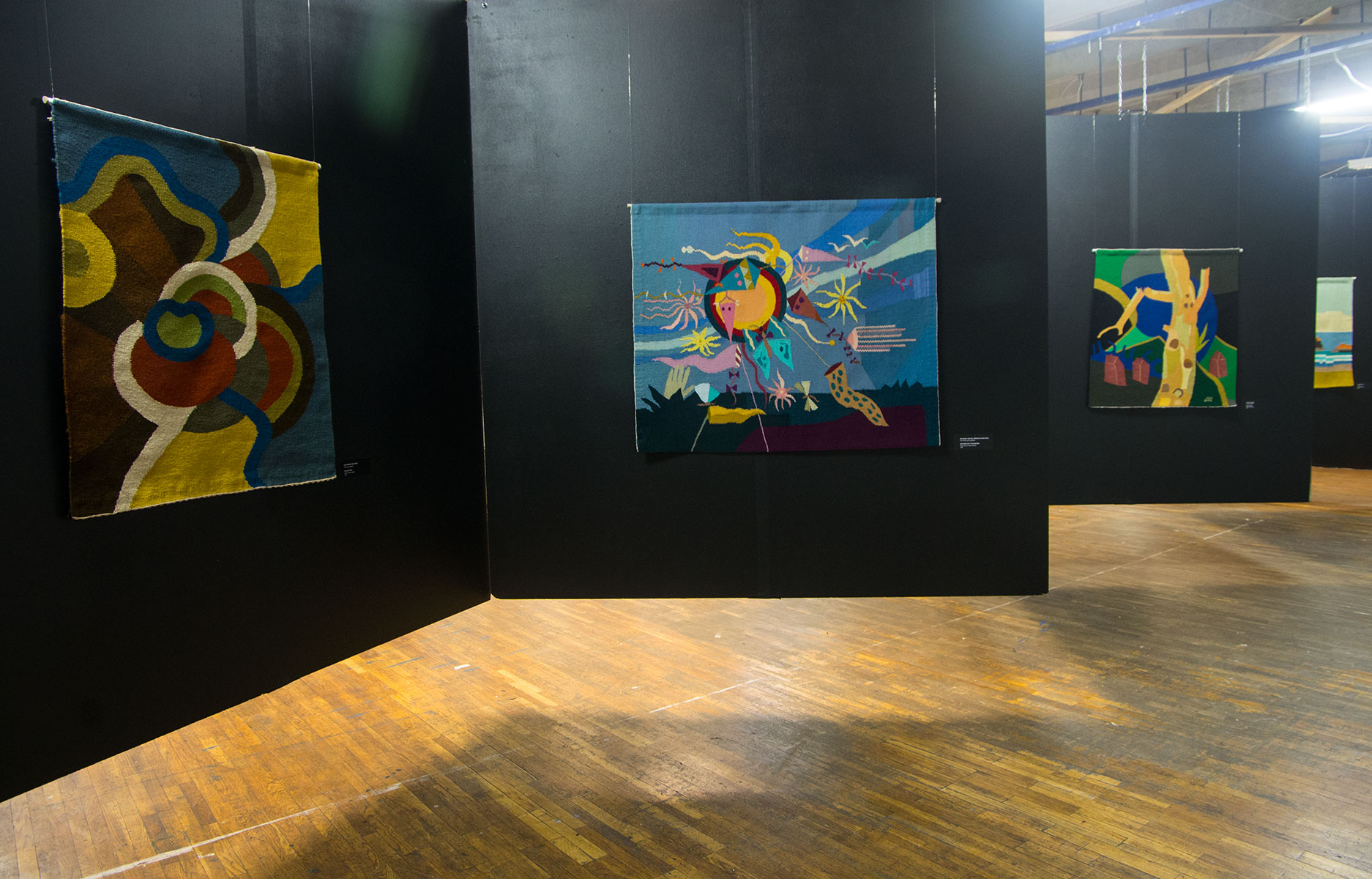
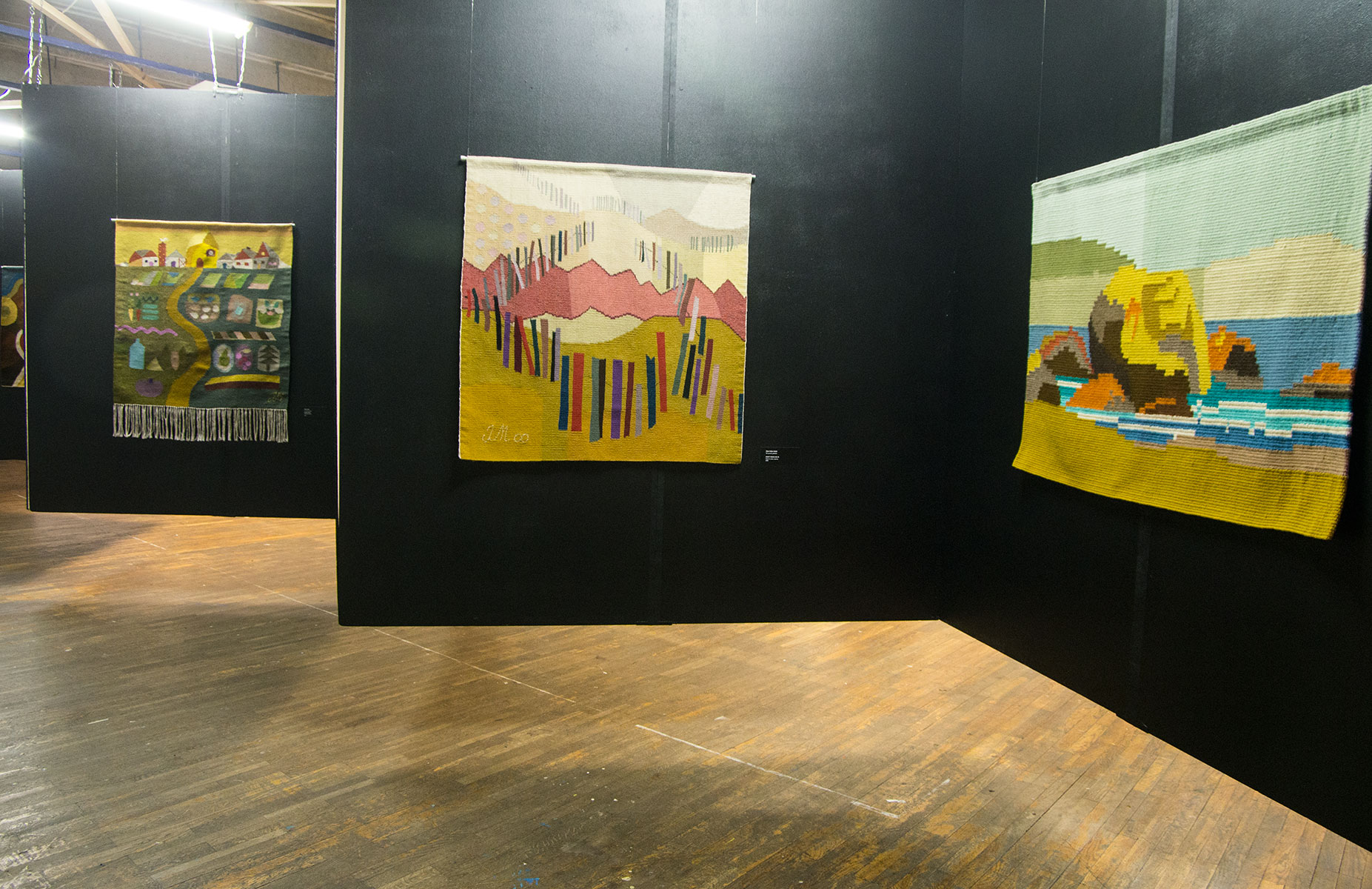
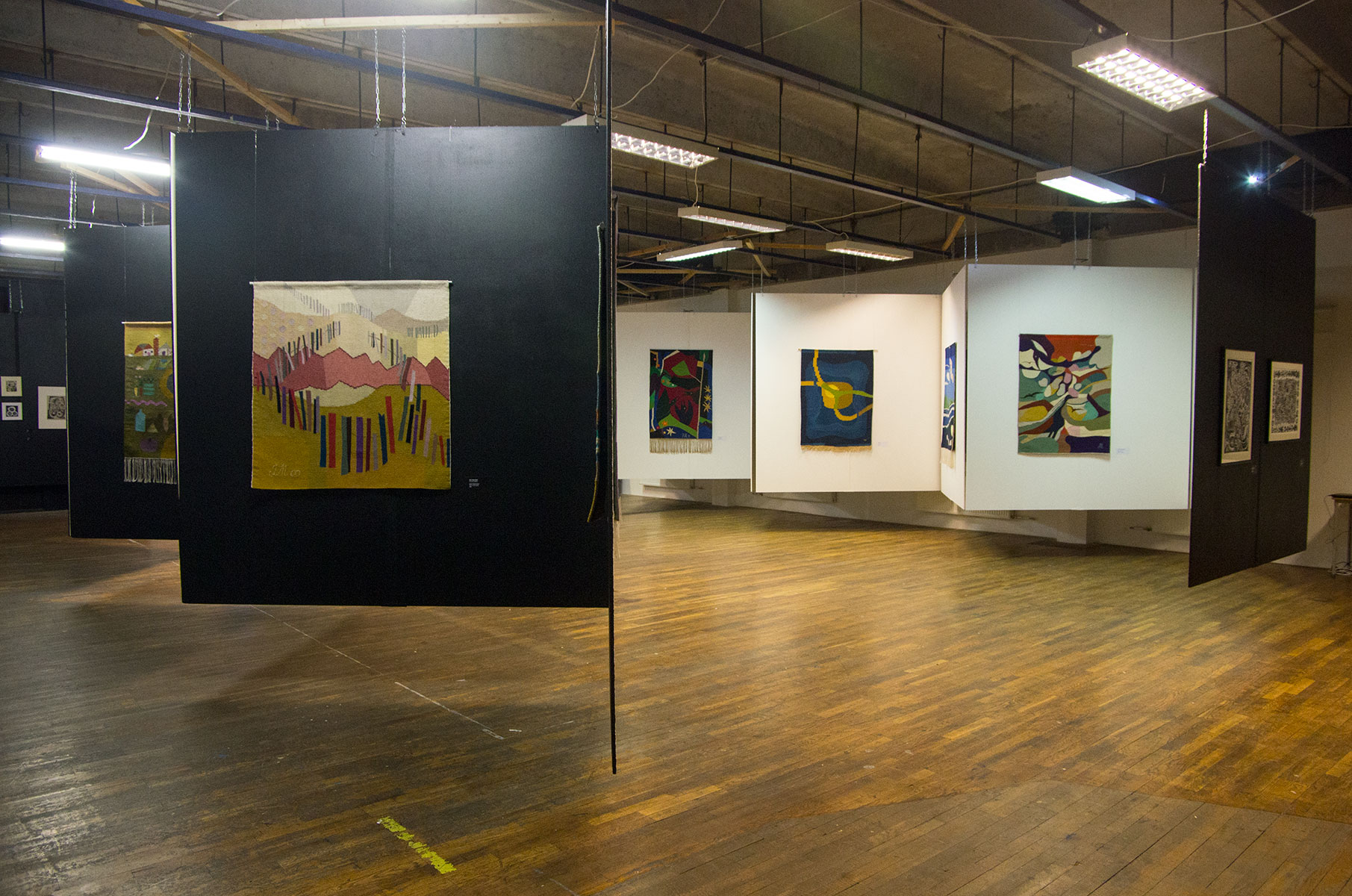
Since the 1970s, textile was Monkutė-Marks’s preferred medium of expression.
In 2000, the artist donated a major part of her creations to her native Lithuania, founding her museum in Kėdainiai, which opened its doors in 2001.
Janina Monkutė-Marks died in Chicago, Nov 13, 2010.
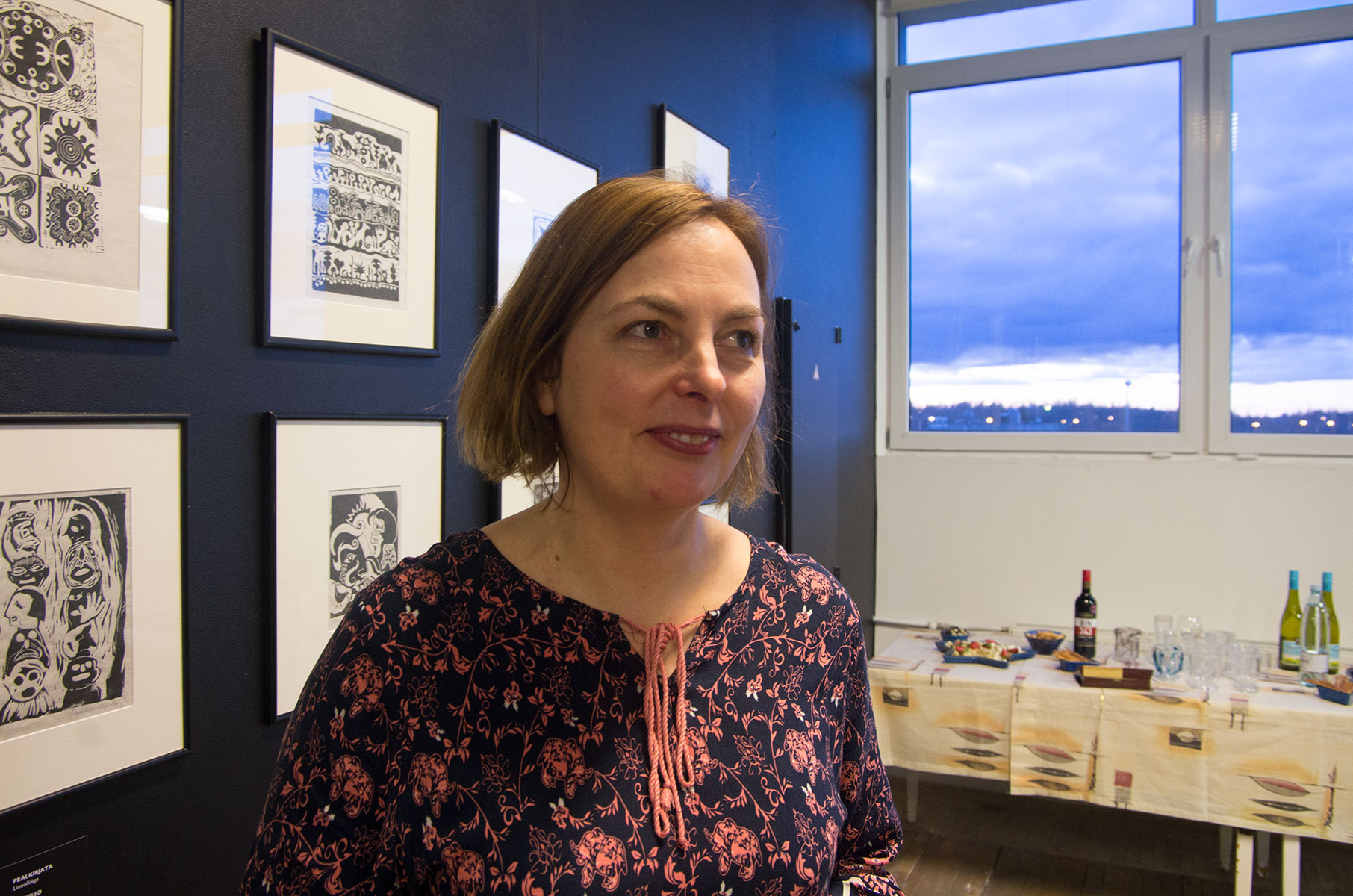
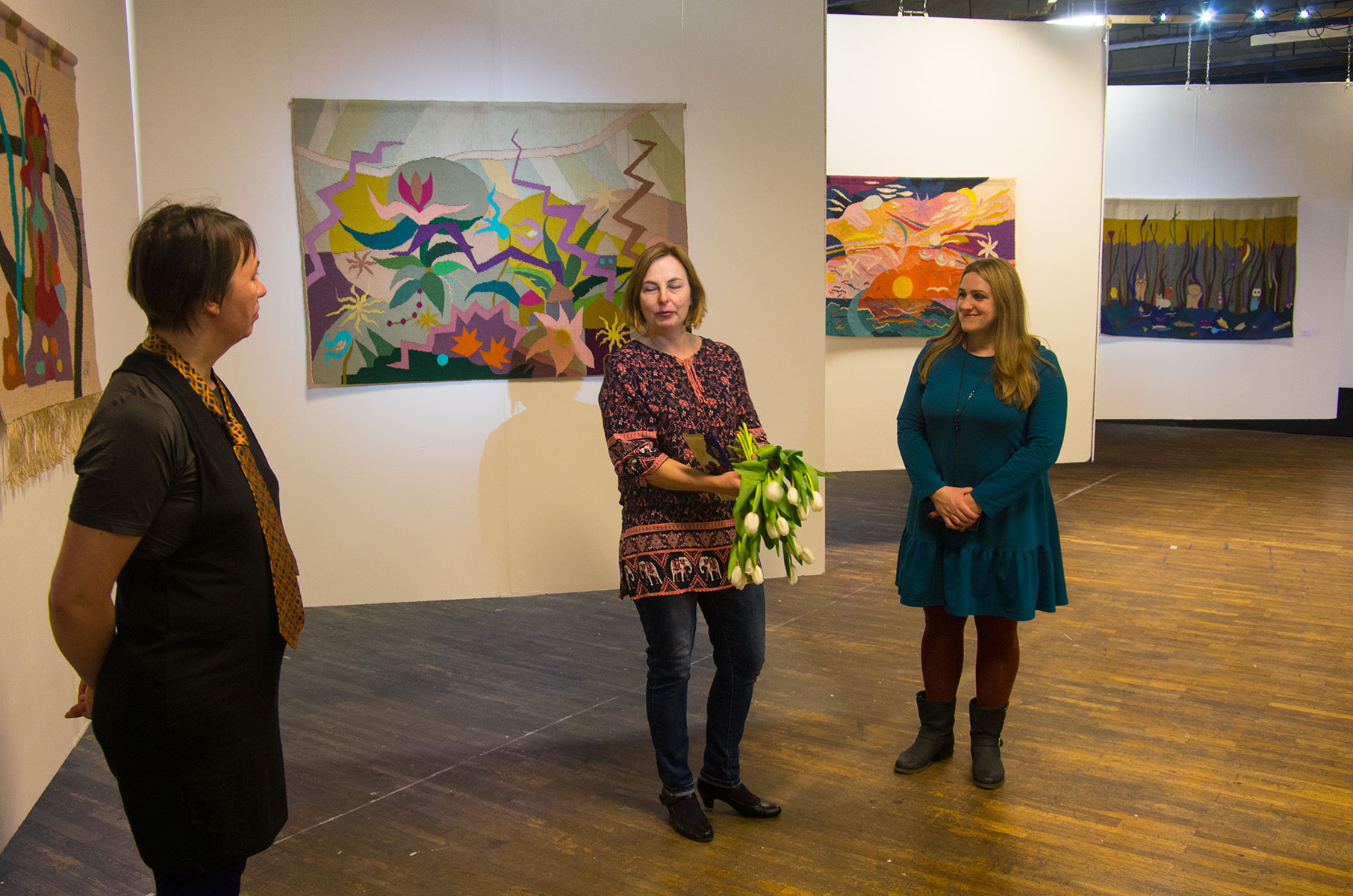
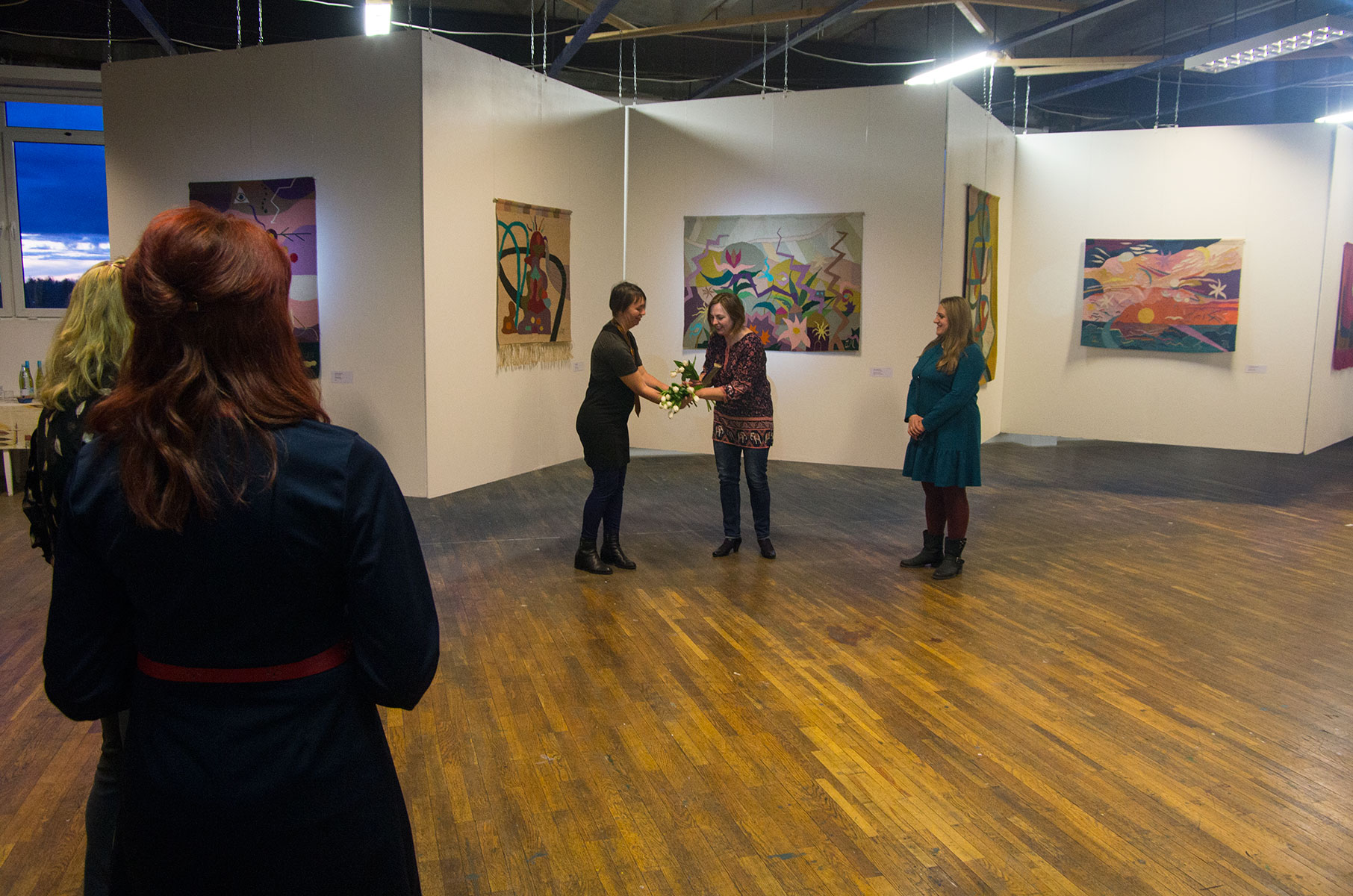
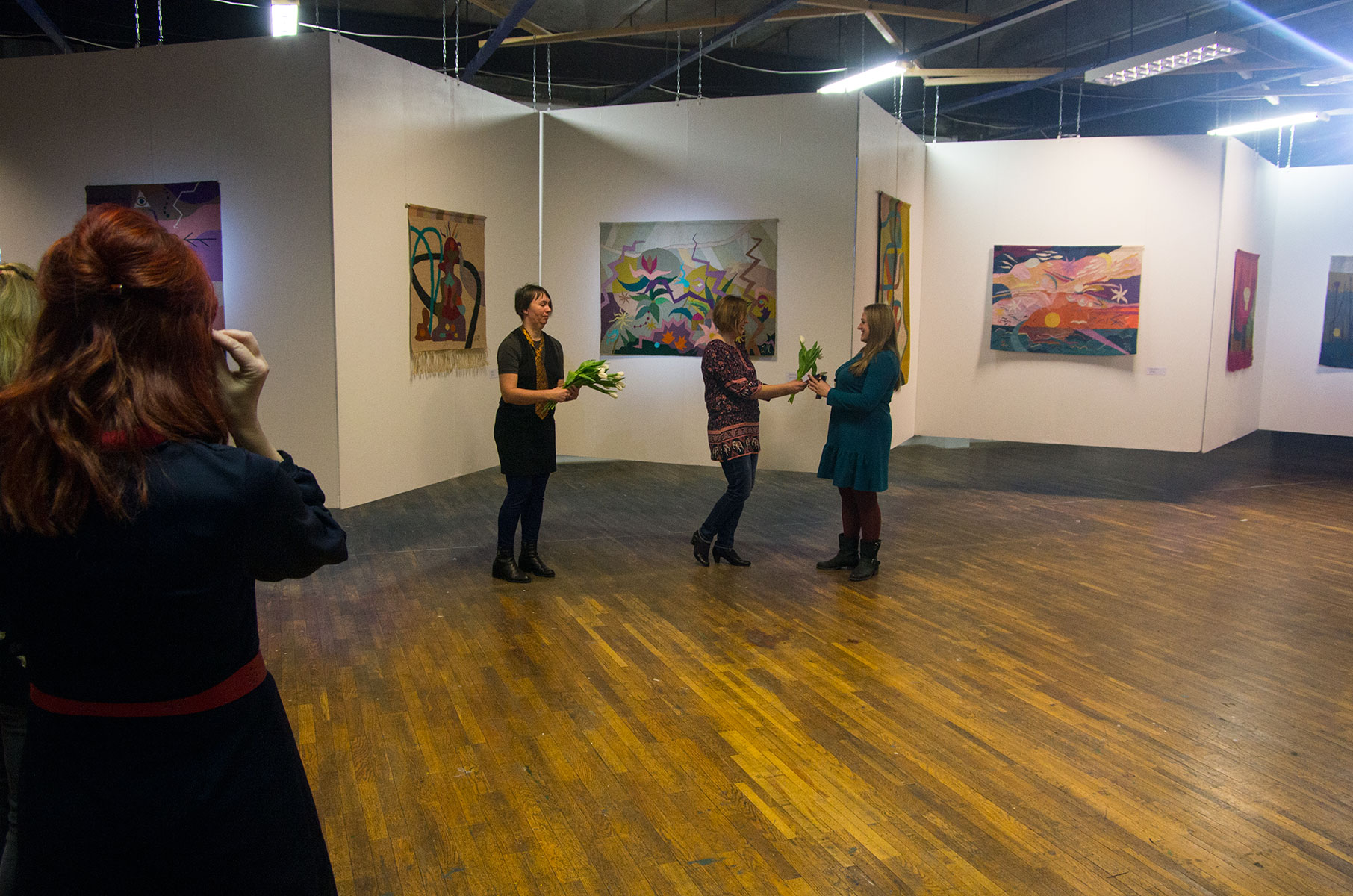
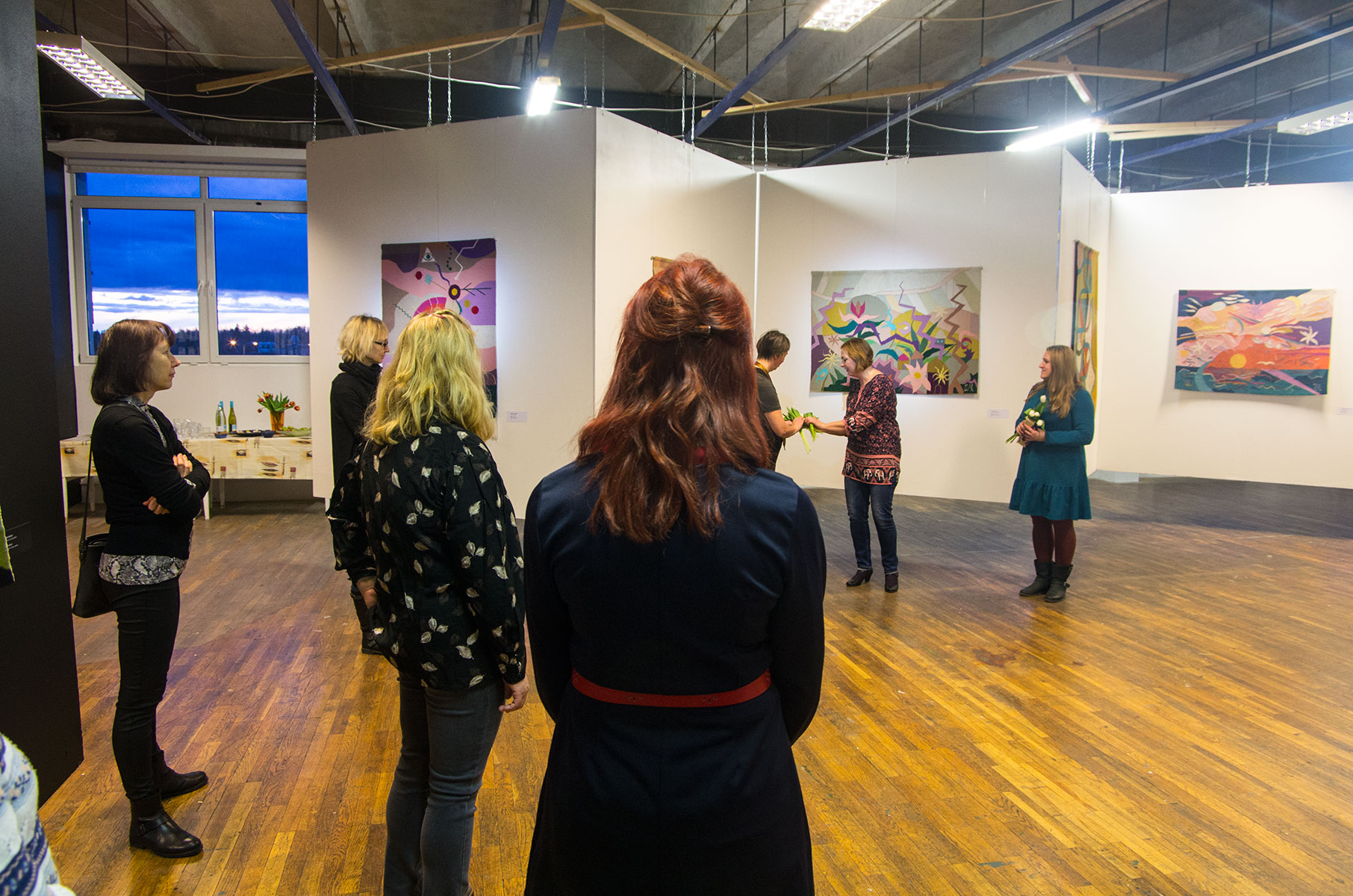
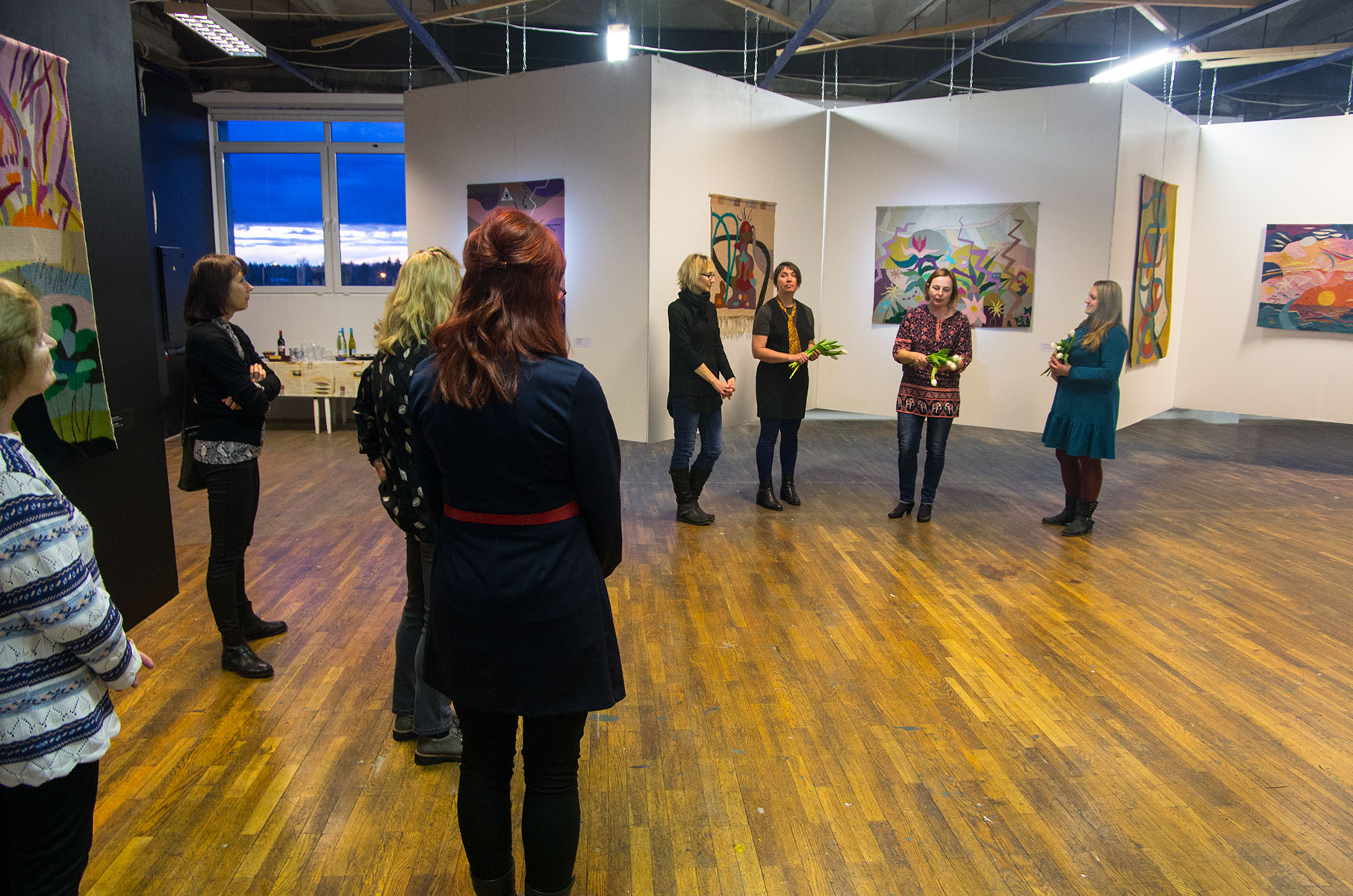
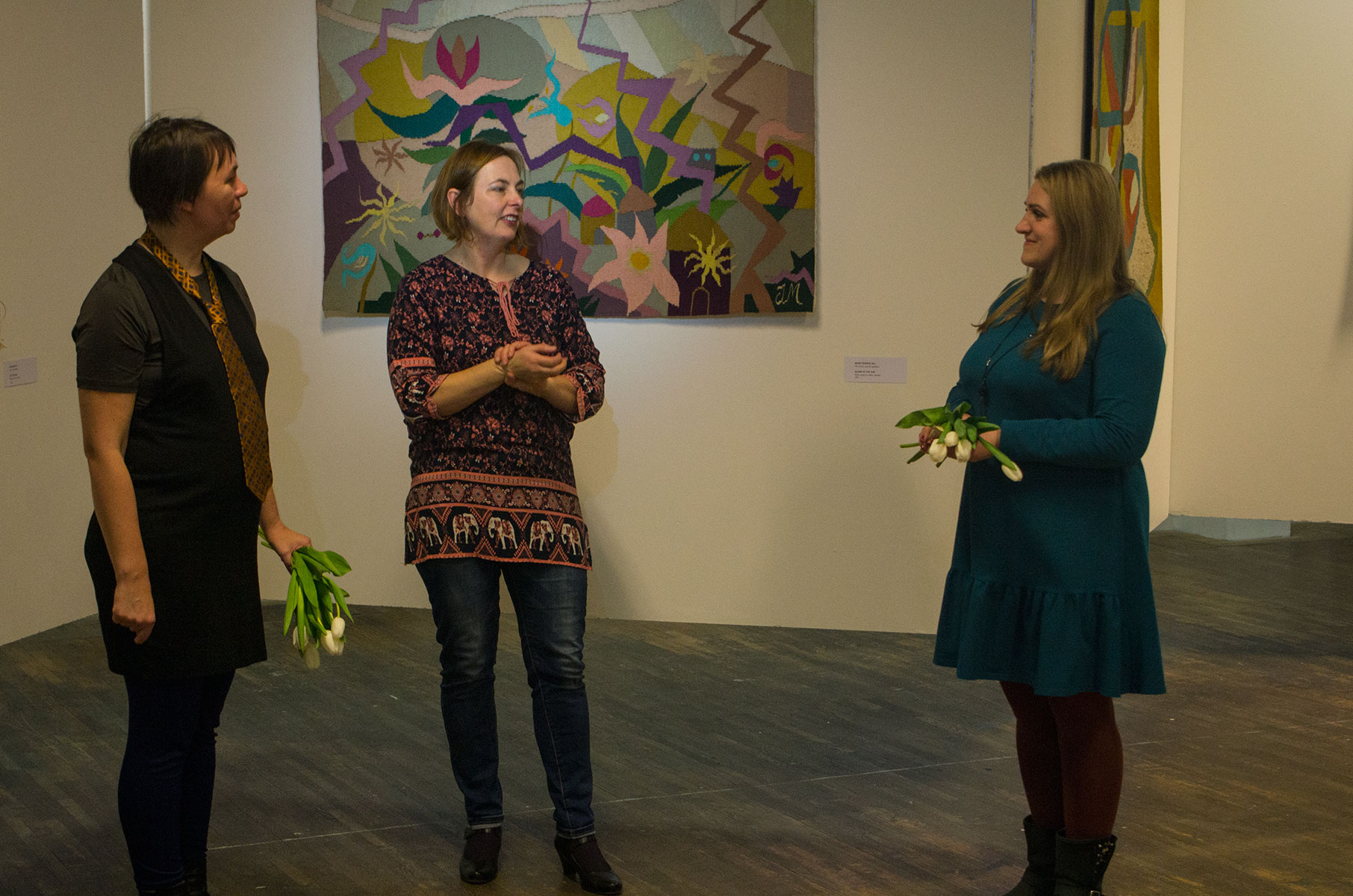
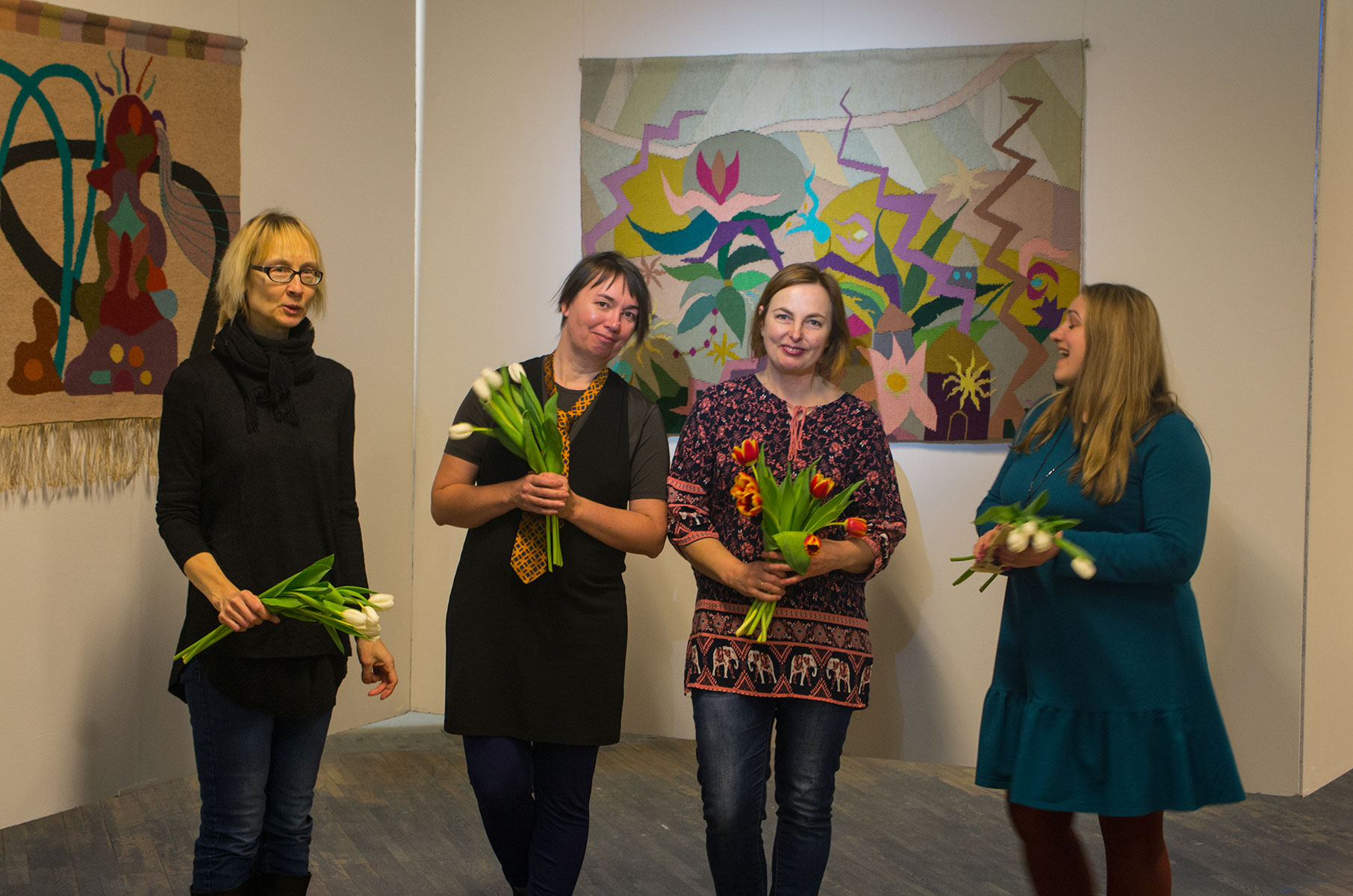
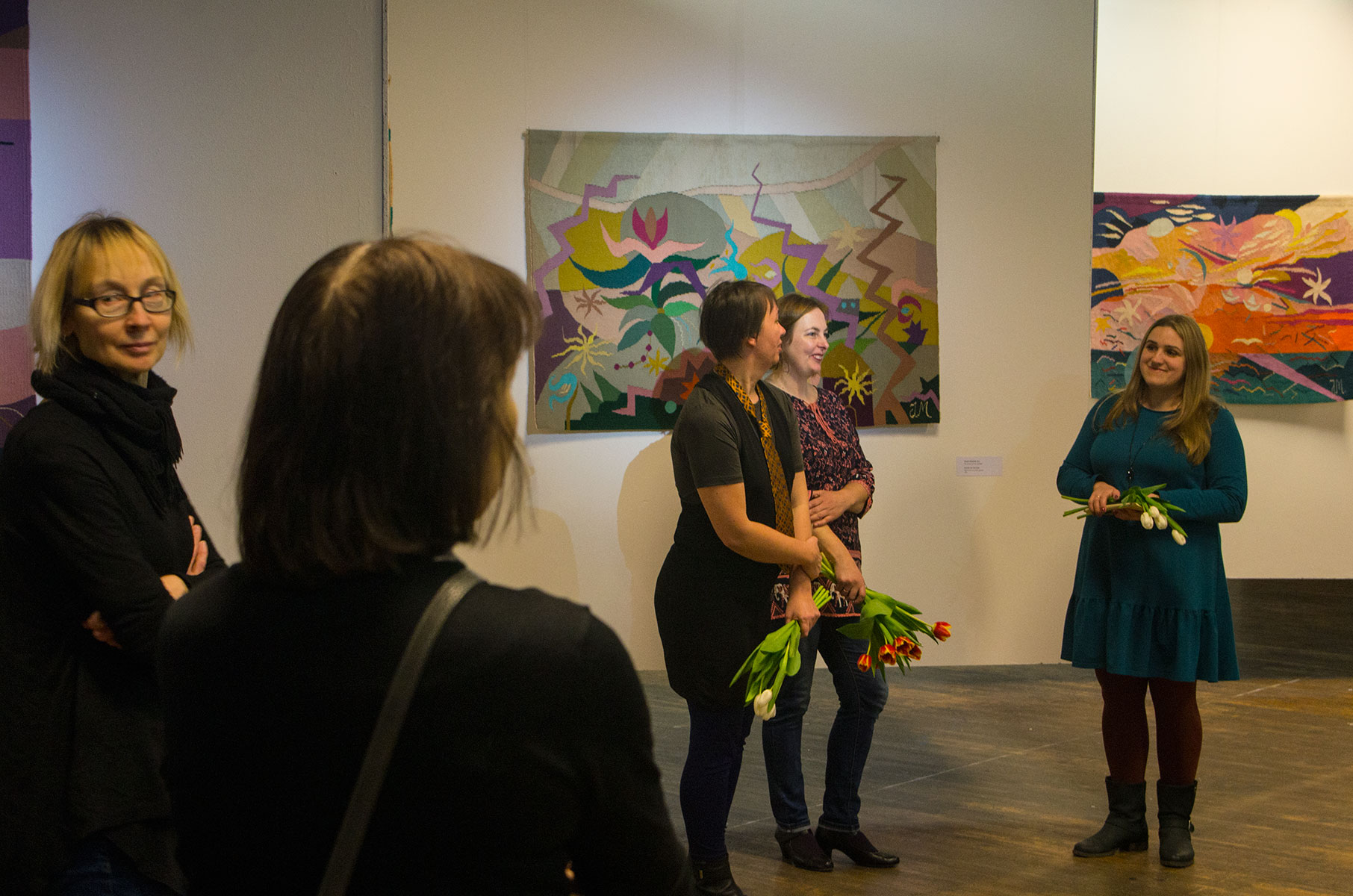
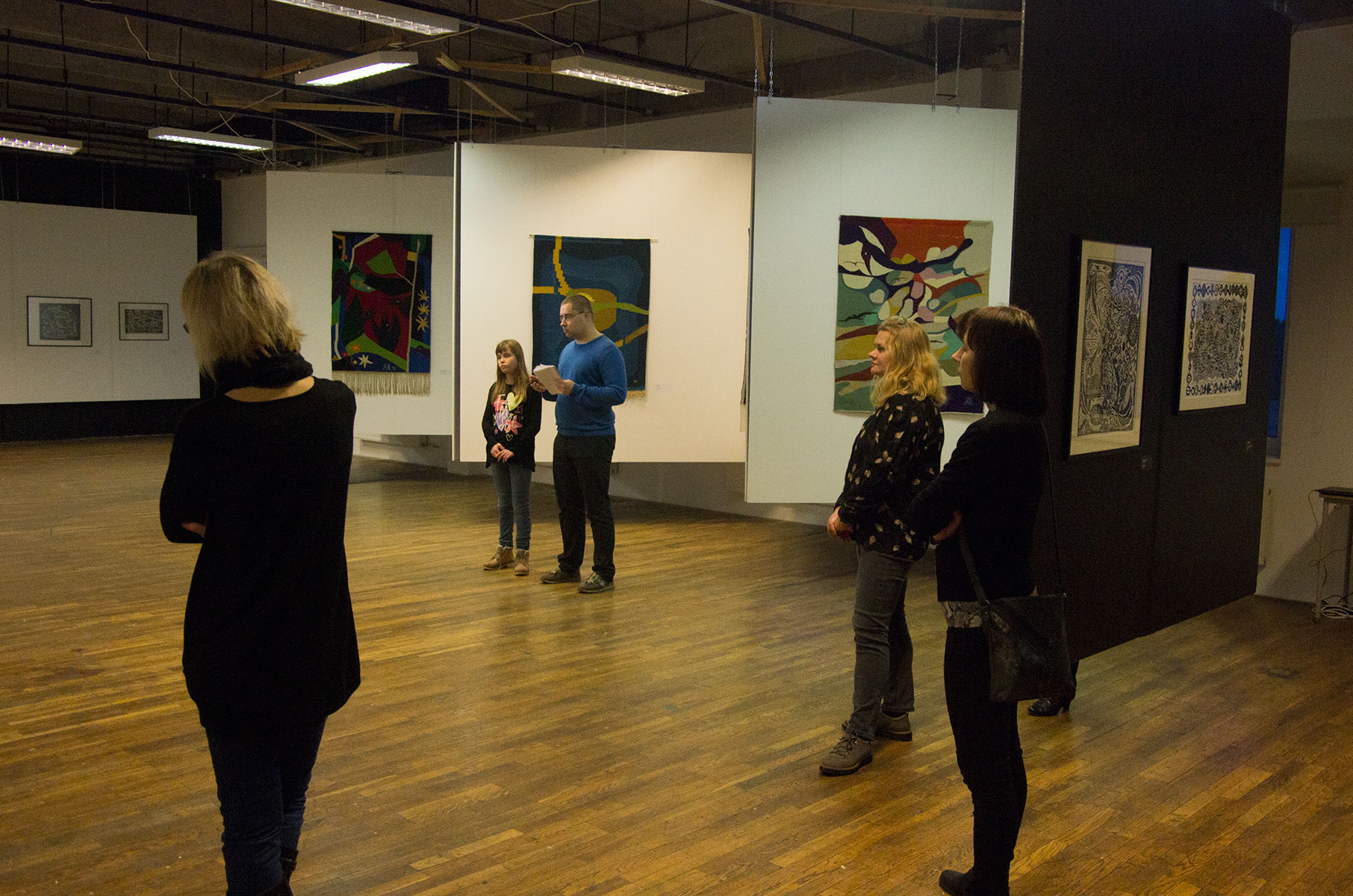
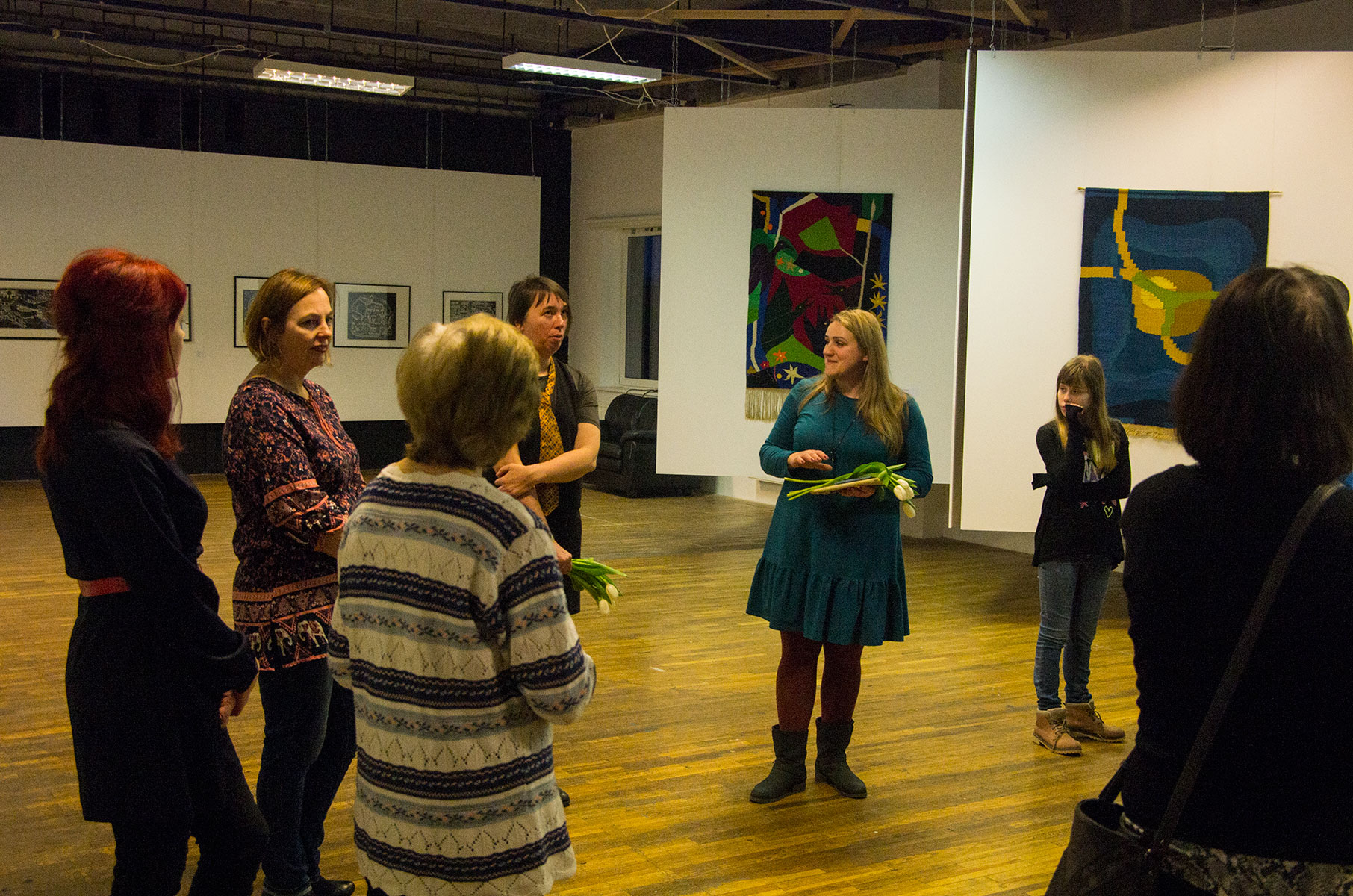
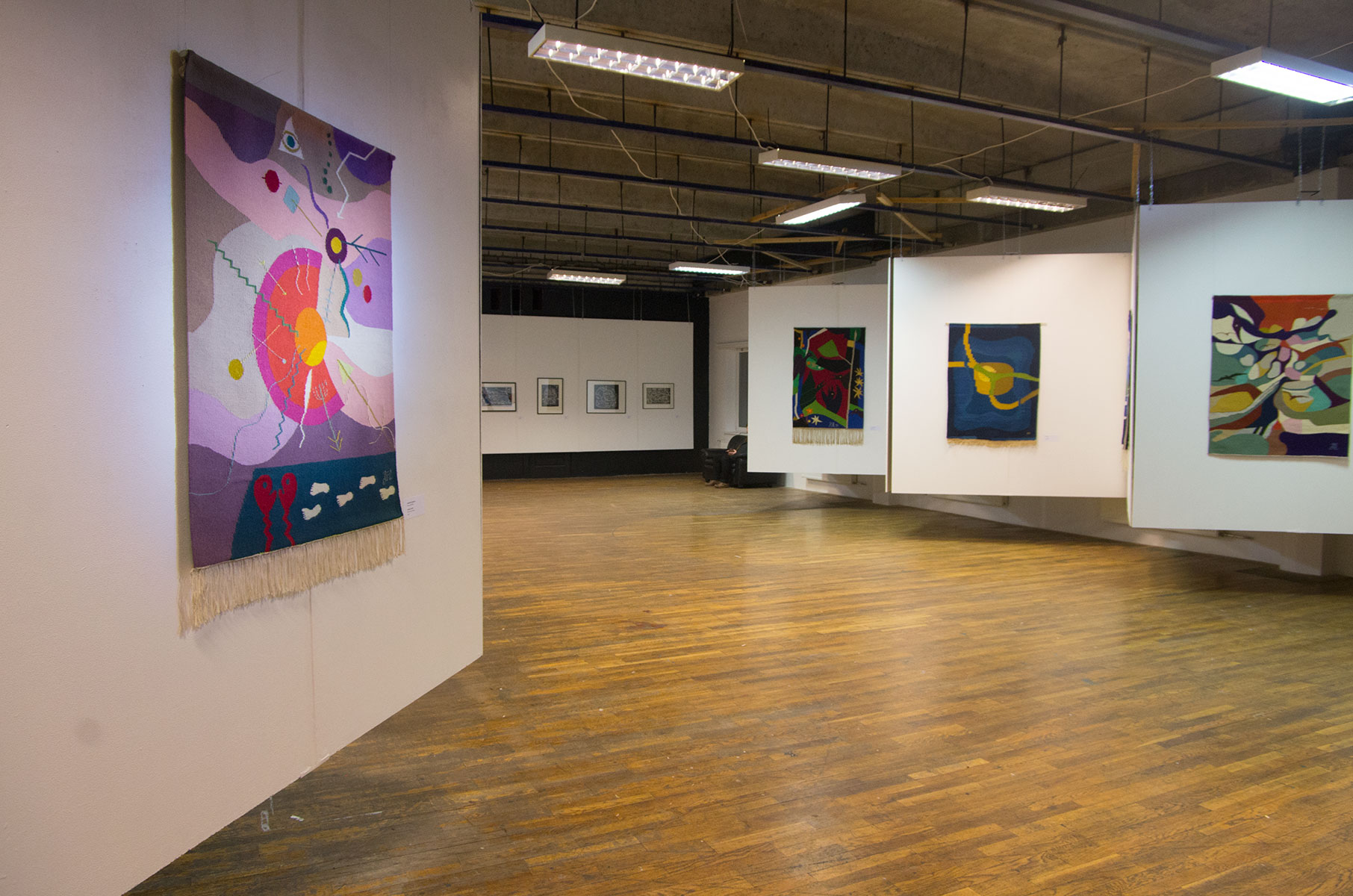
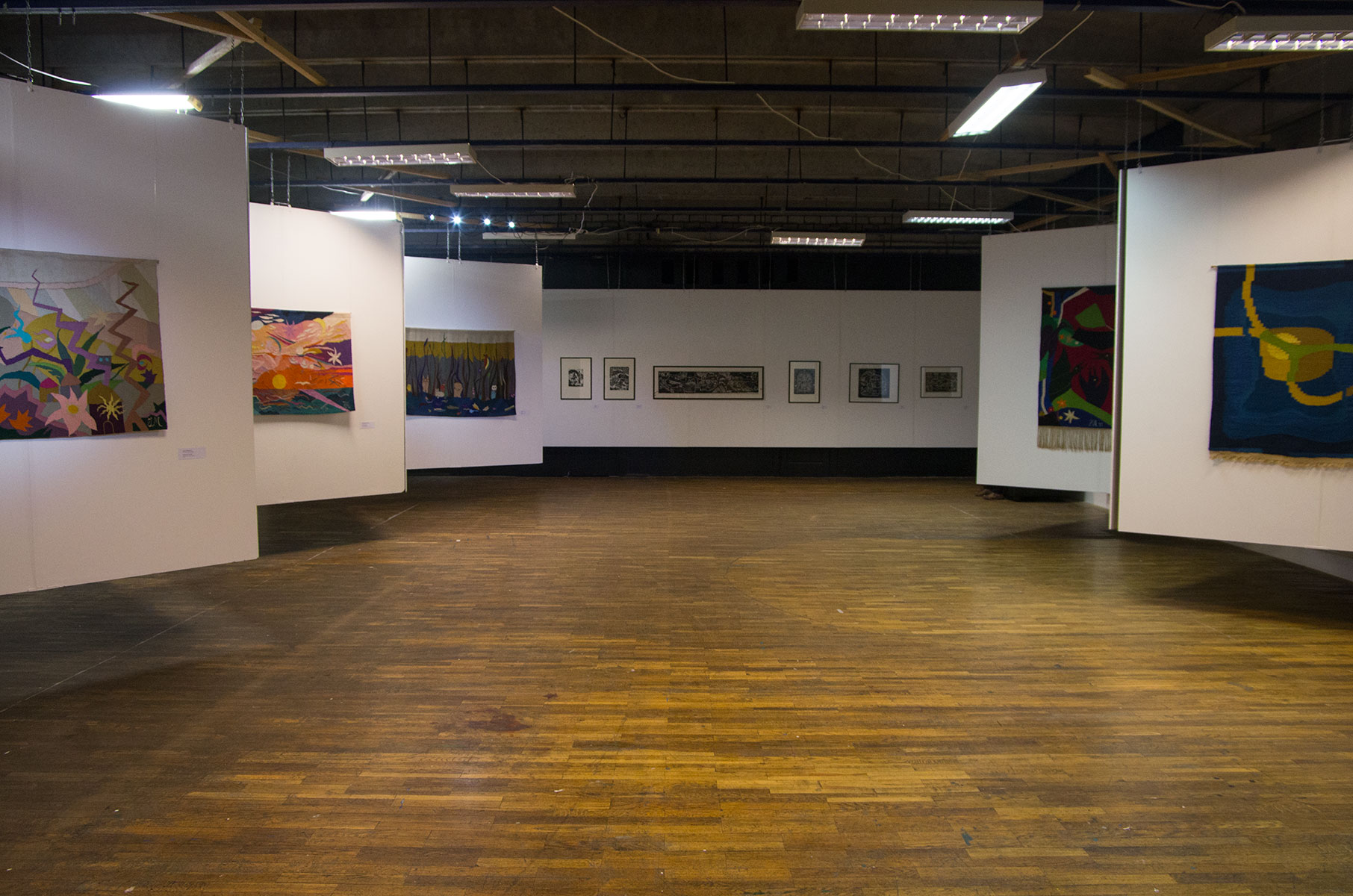
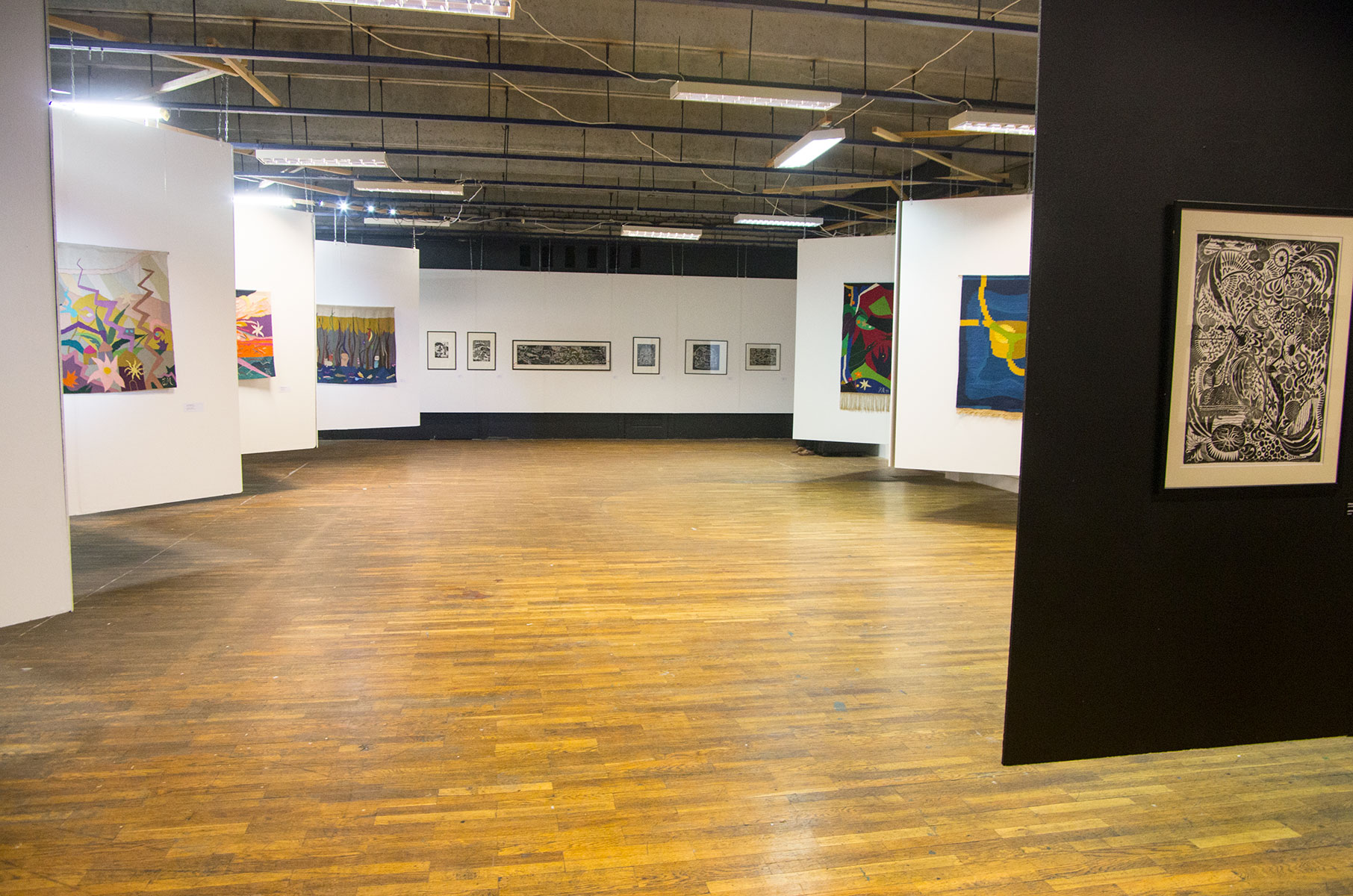
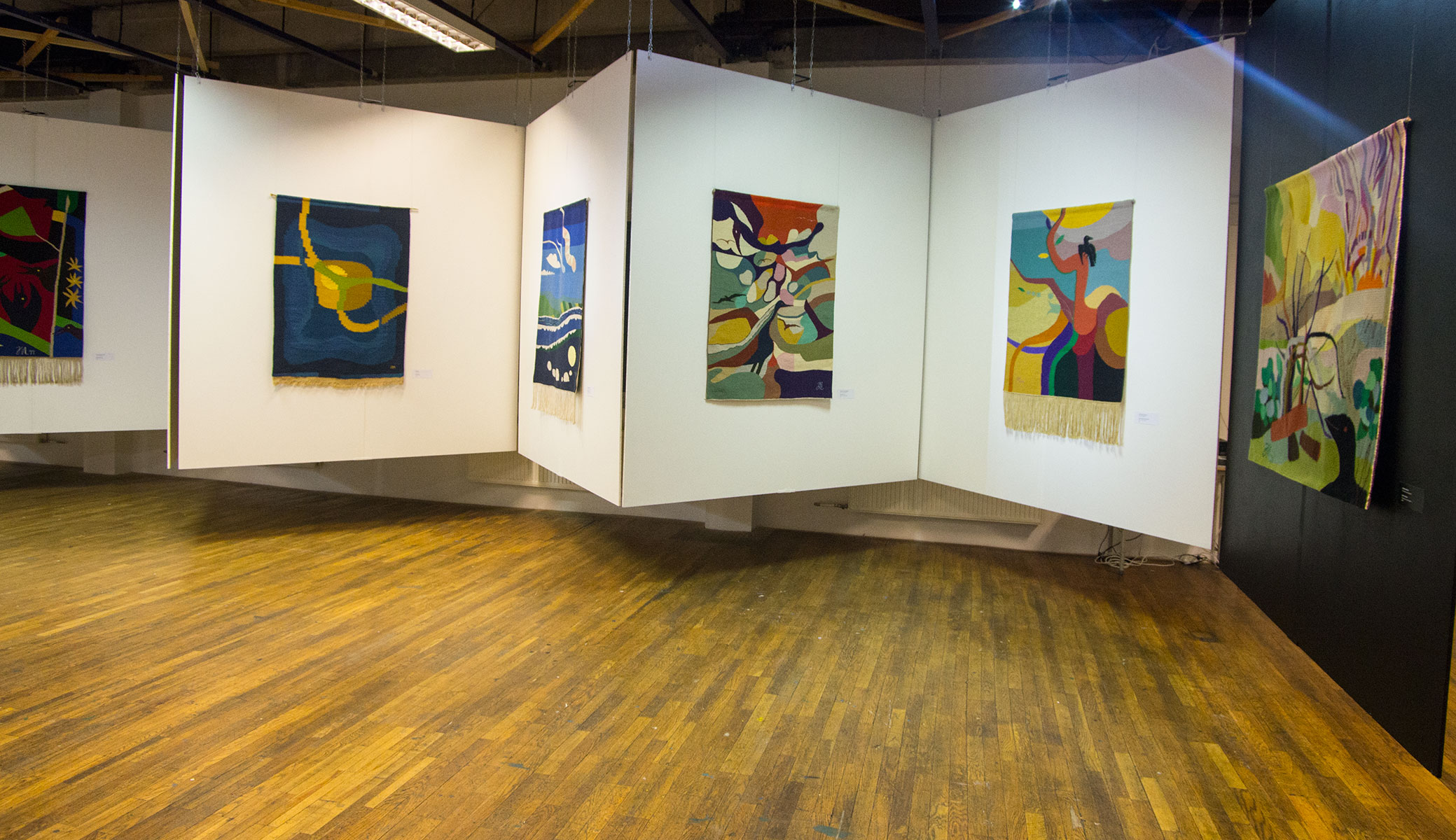
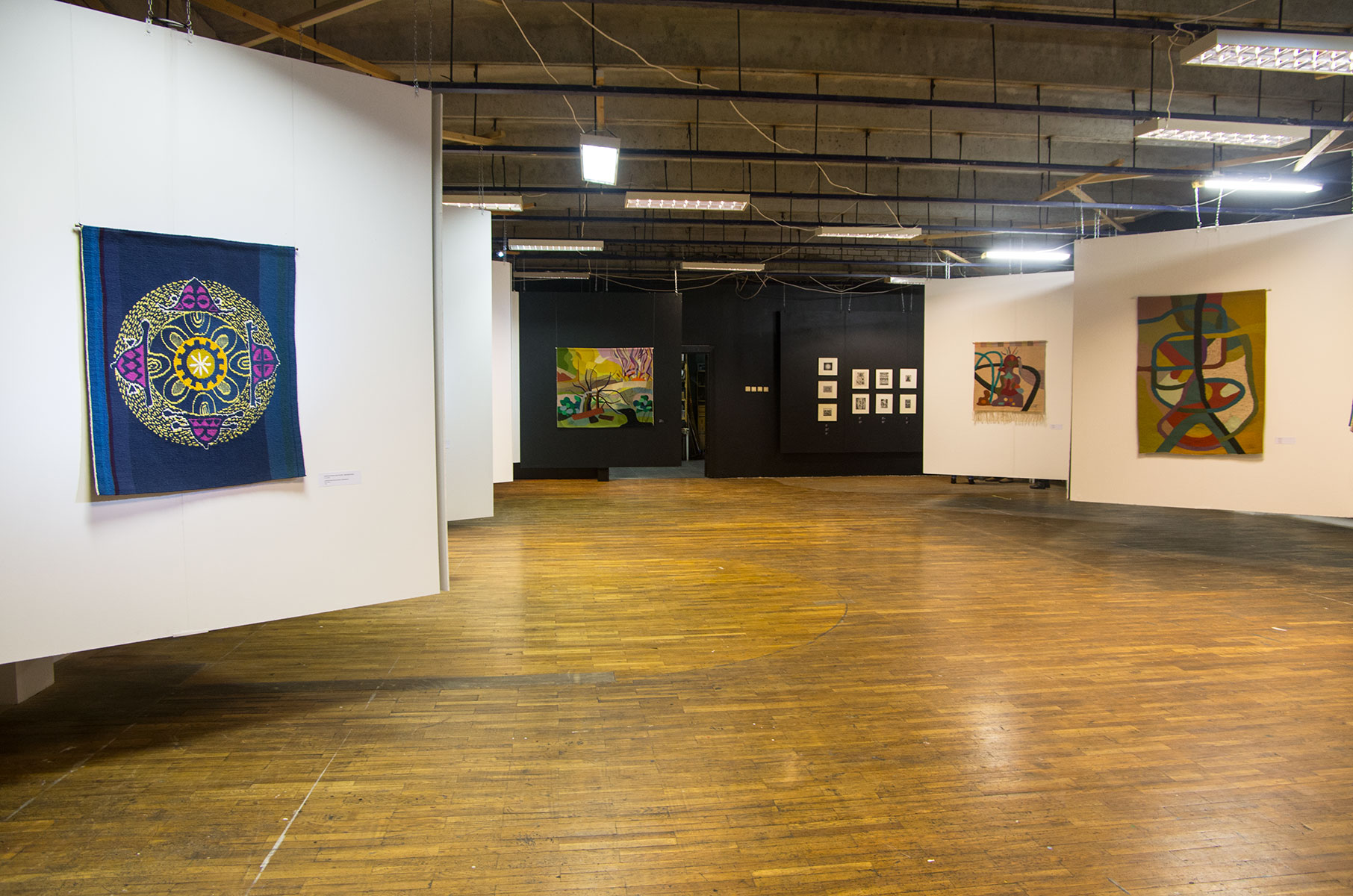
At the current exhibition in Rapla, we bring you a selection of Janina Monkutė-Marks’i linoleum block prints and tapestries.
The motif of road and journey is one of the most significant in the art of Janina Monkutė-Marks. Journey is interpreted as a quest for the meaning of life and soul-searching in the tapestries “Man and His World,” “Longing for Freedom,” “Going Home,” and “My Road.” Existential meaning is imposed even on the tapestries based upon “real” travel, such as “Going to the Wedding” and “Left Behind.” Janina Monkutė-Marks often portrays the feeling of “being on the road” as a labyrinth; one that has no beginning or end, no strictly positive or negative zones. It is as though the artist suggests that there is no chance to predict an upcoming turn of the road or escape the labyrinth. It is only possible to experience it fully.
Some of the artist’s linoleum block prints imitate the compositional scheme of traditional folk art (“My Road”, “Angel”); elsewhere, she combines the rough shaping of individual forms with geometric ornaments – these are substantial and generalized, represented not only by a contour line but also by entire silhouette. The artist fully employs the deep contrast and intensity characteristic of linoleum block printing. Floral and anthropomorphic allusions, geometric abstractions, traditional ornaments and the artist’s original motifs merge into a mysterious, magical world.
Janina Monkutė-Marks’s works are characterized by clarity of shape and exceptional compositional stability, intensity of colour and variability of texture. The subjective point of view and the courage to open up her inner world are not only recurrent but also some of the most valuable features of Janina Marks’s art, where the ironic and the tragic, the religious and the liberal, primitive and modern are elegantly combined.
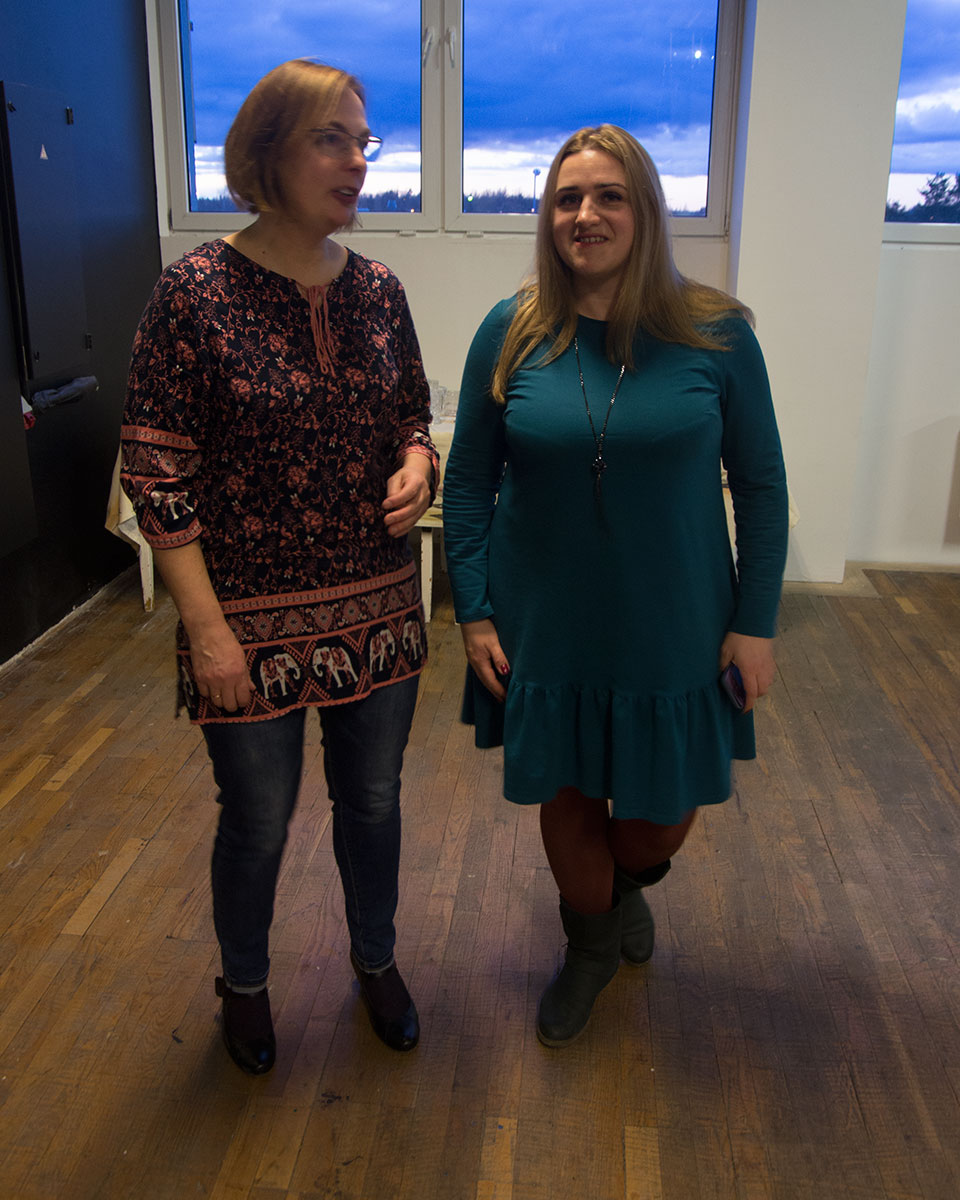
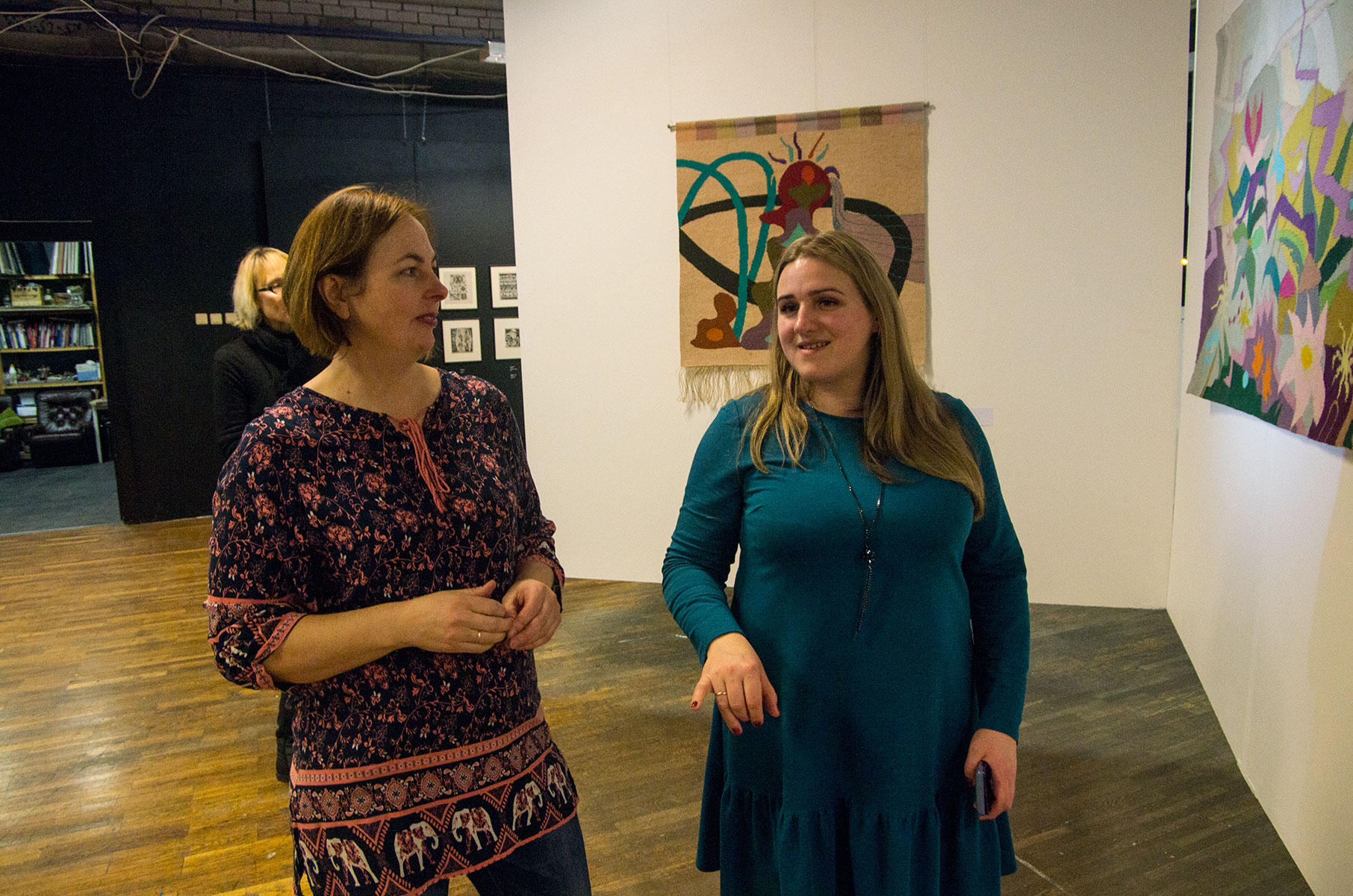
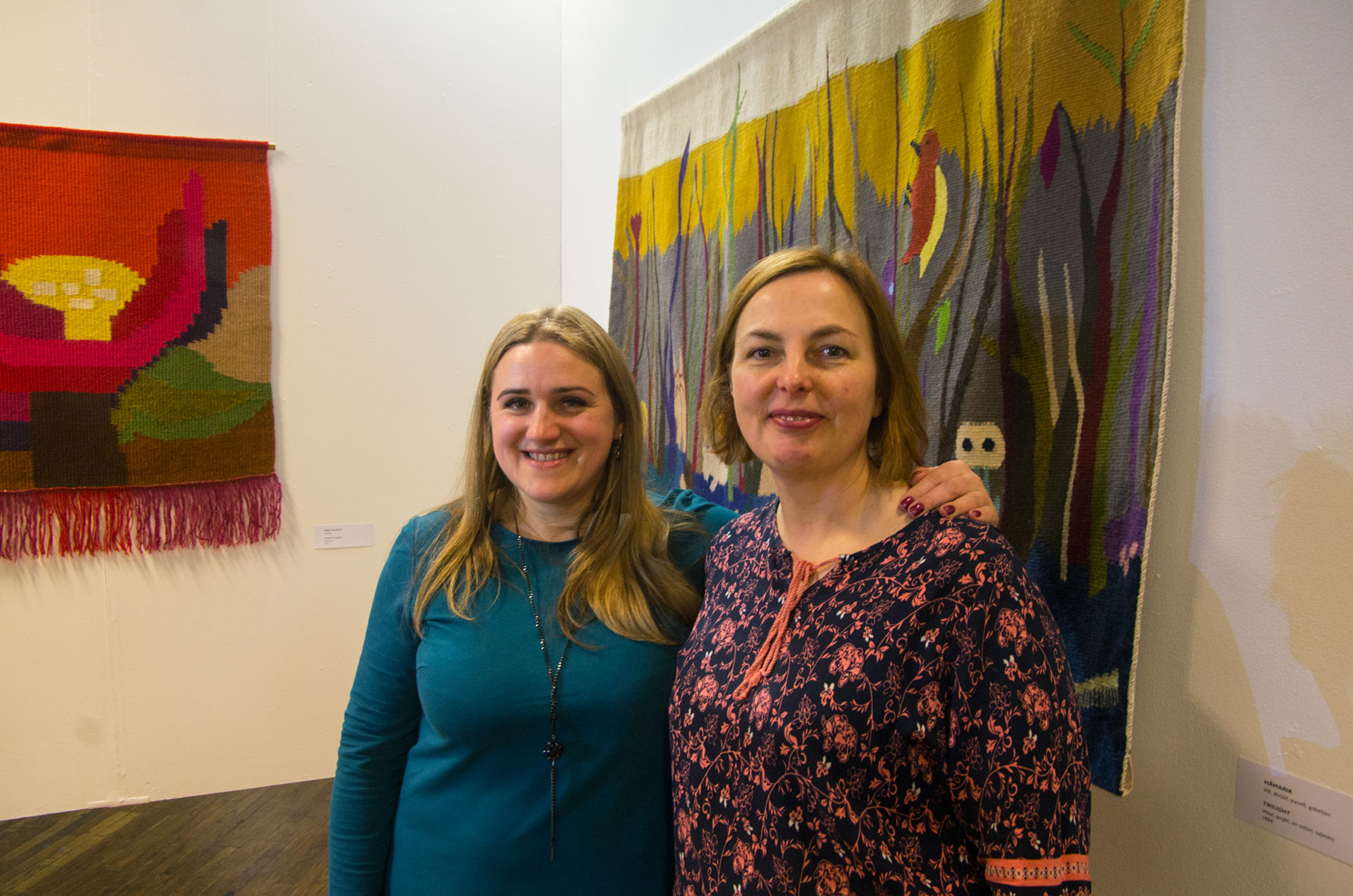
Photos: Erki Kannus
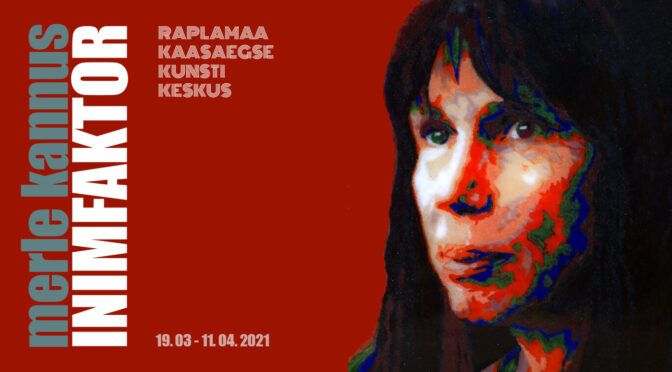
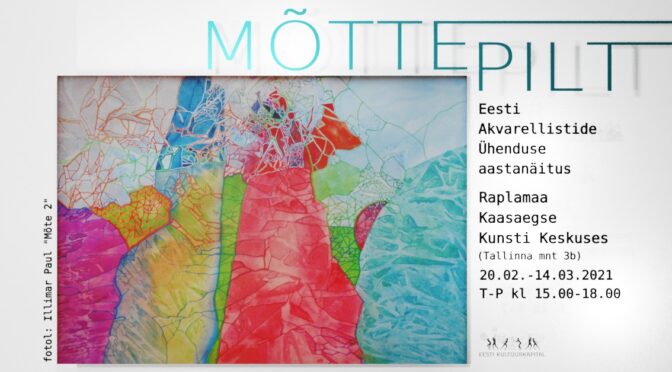
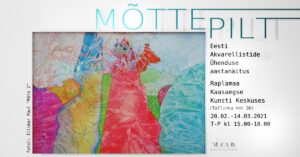 The Estonian Watercolour Association’s exhibition that recently closed at RCCCA, is now on display at the Kaja Cultural Centre, Tallinn.
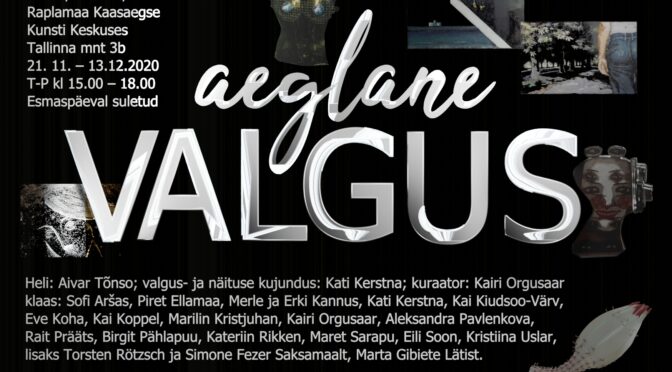
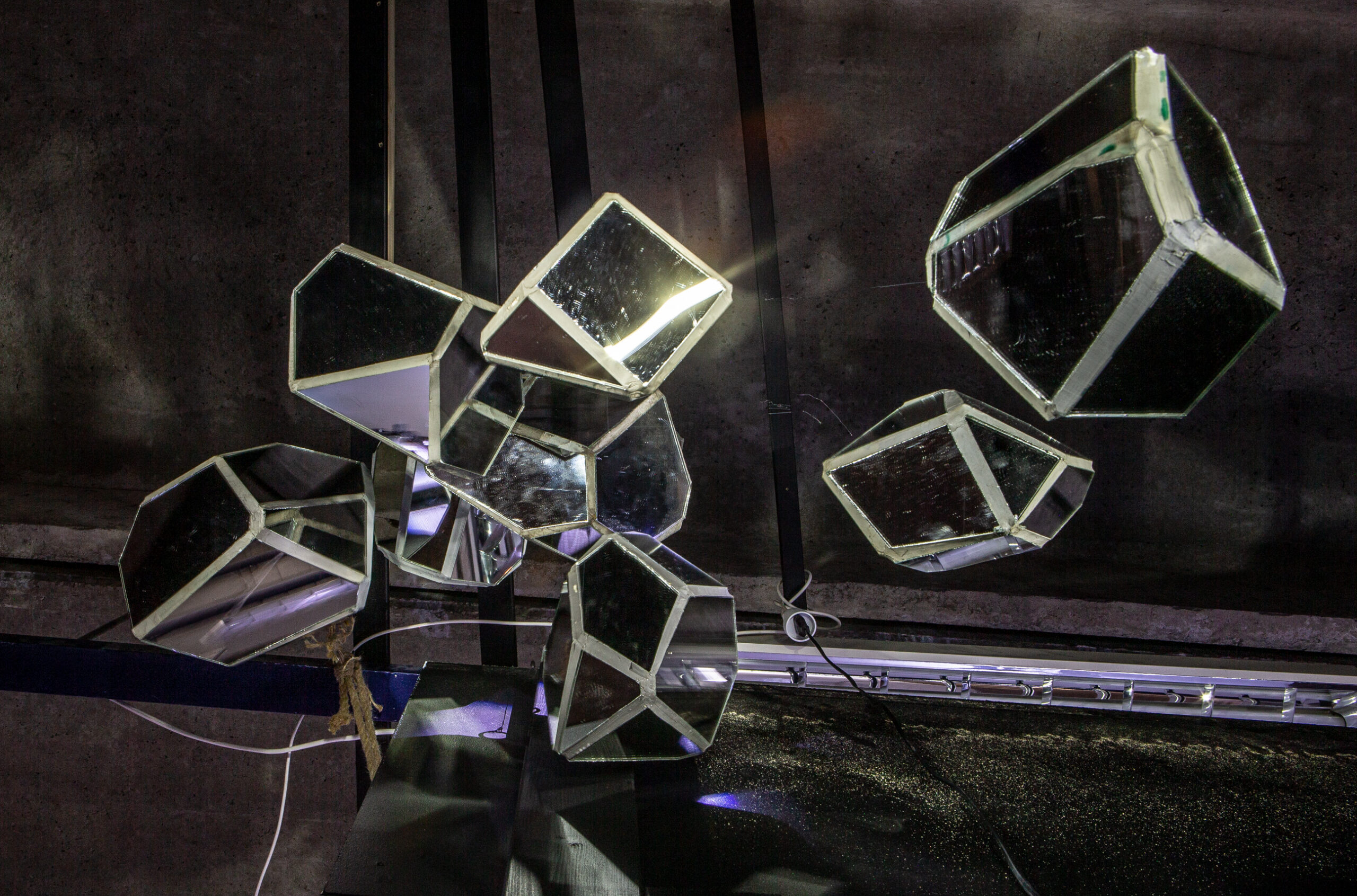
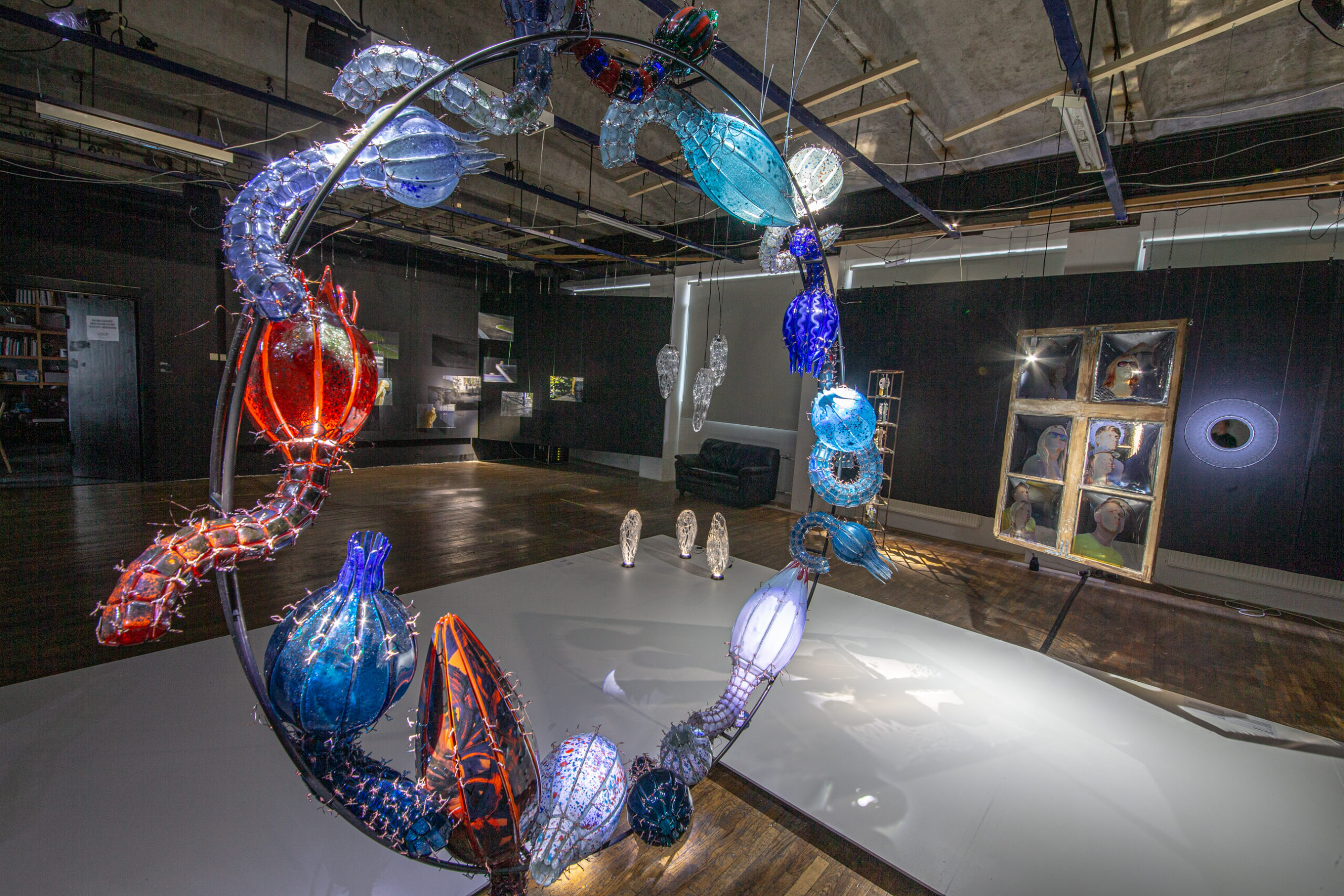
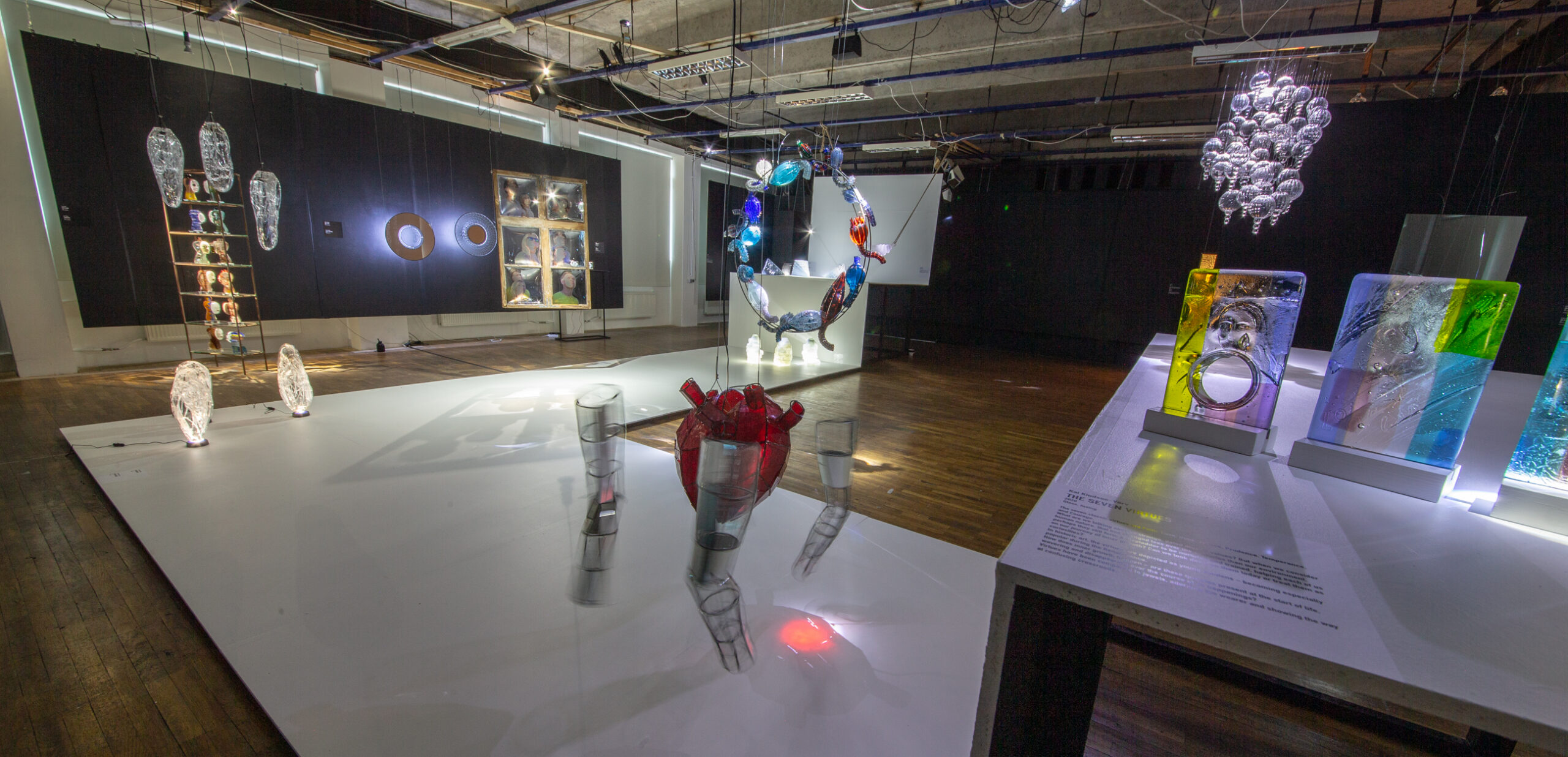
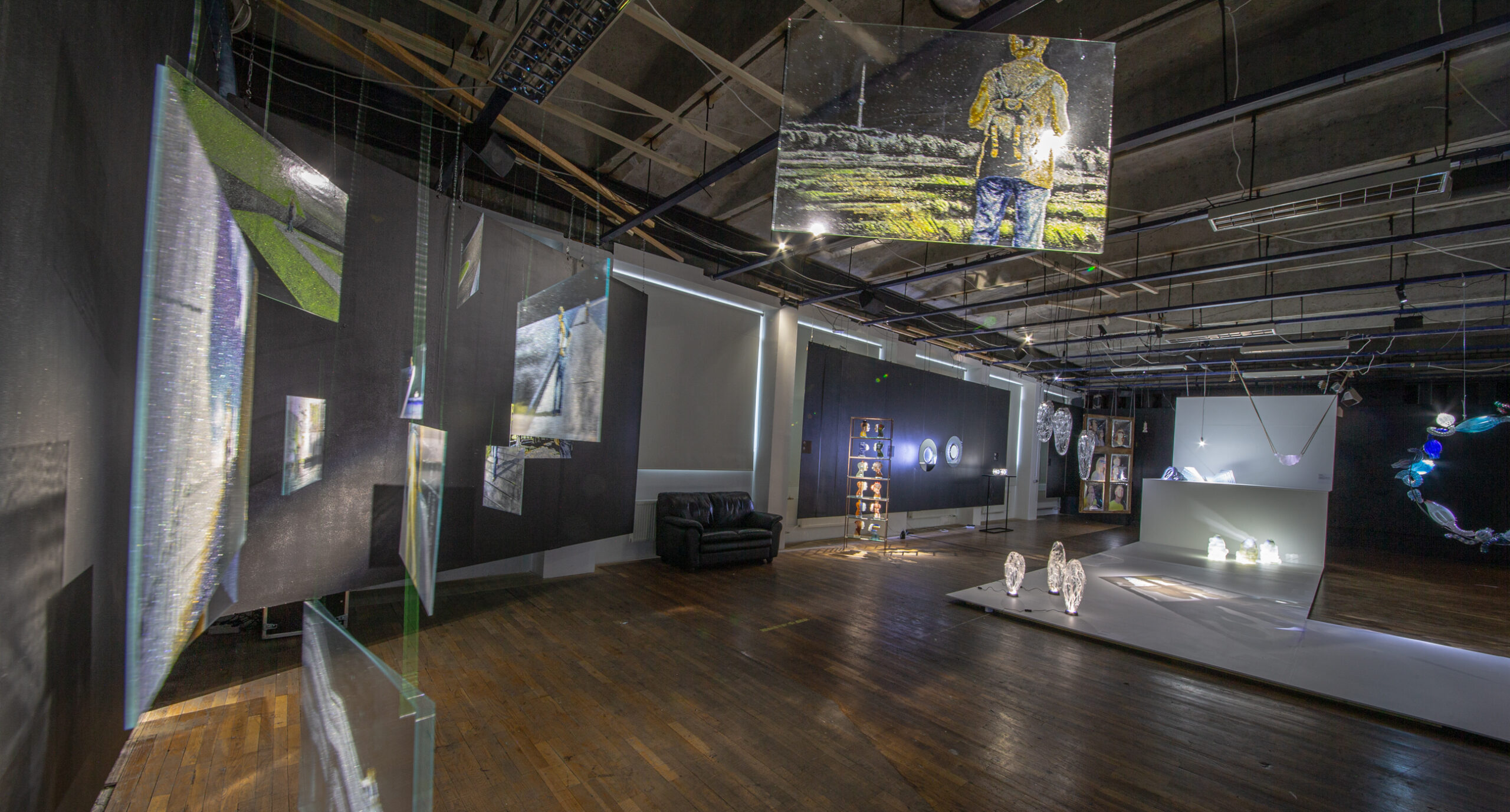
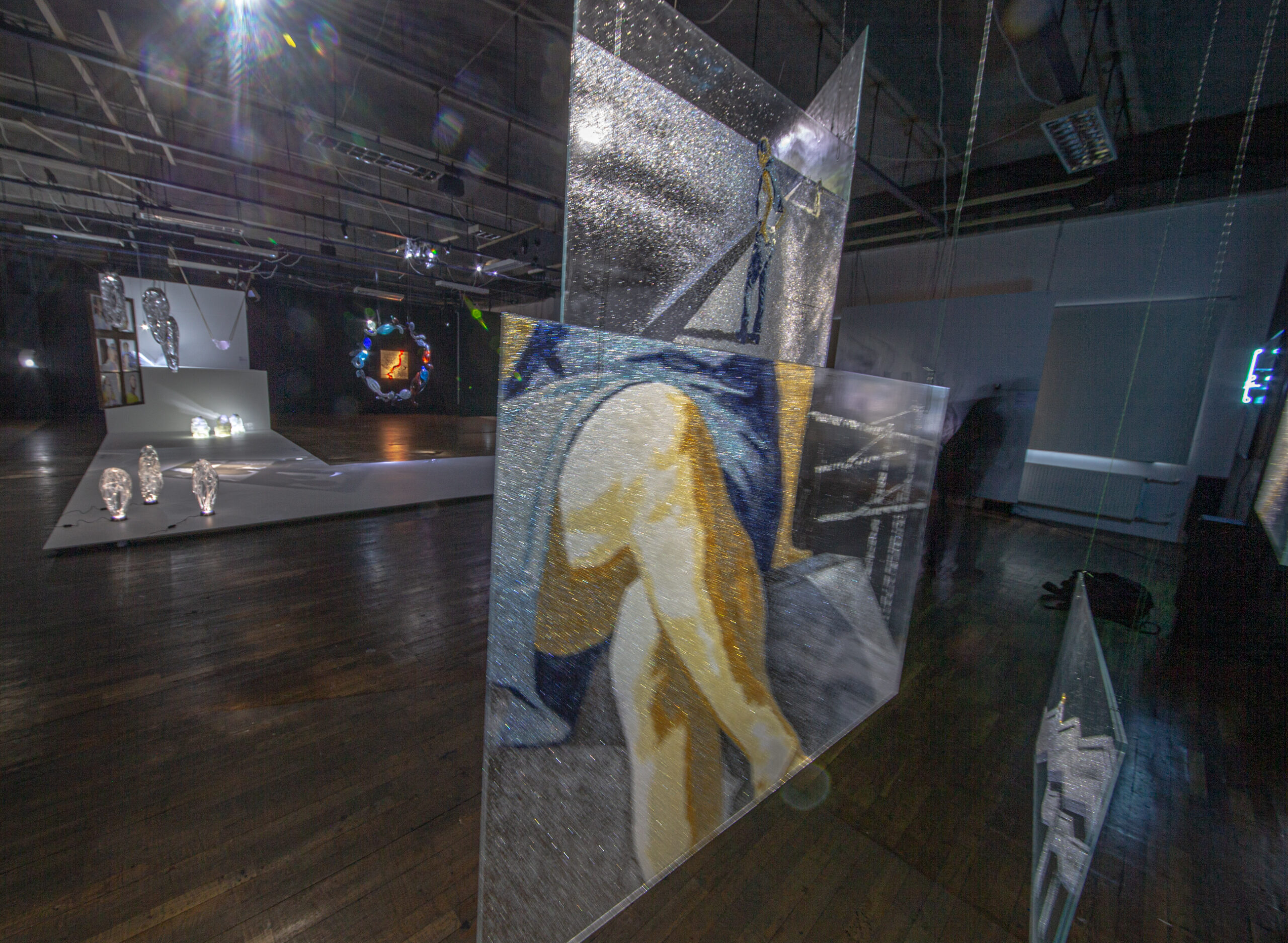
 Open 15.11 – 08.12.2019, T – P 15.00 – 18.00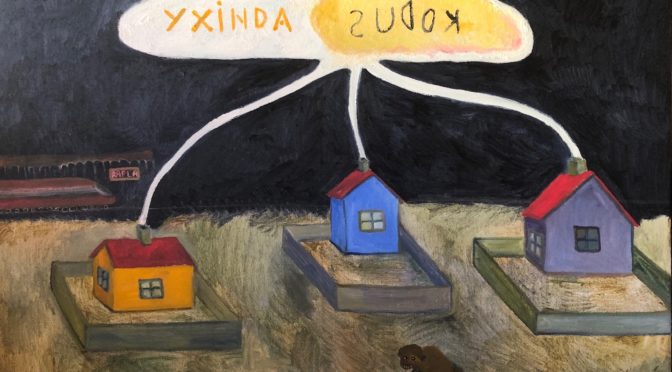
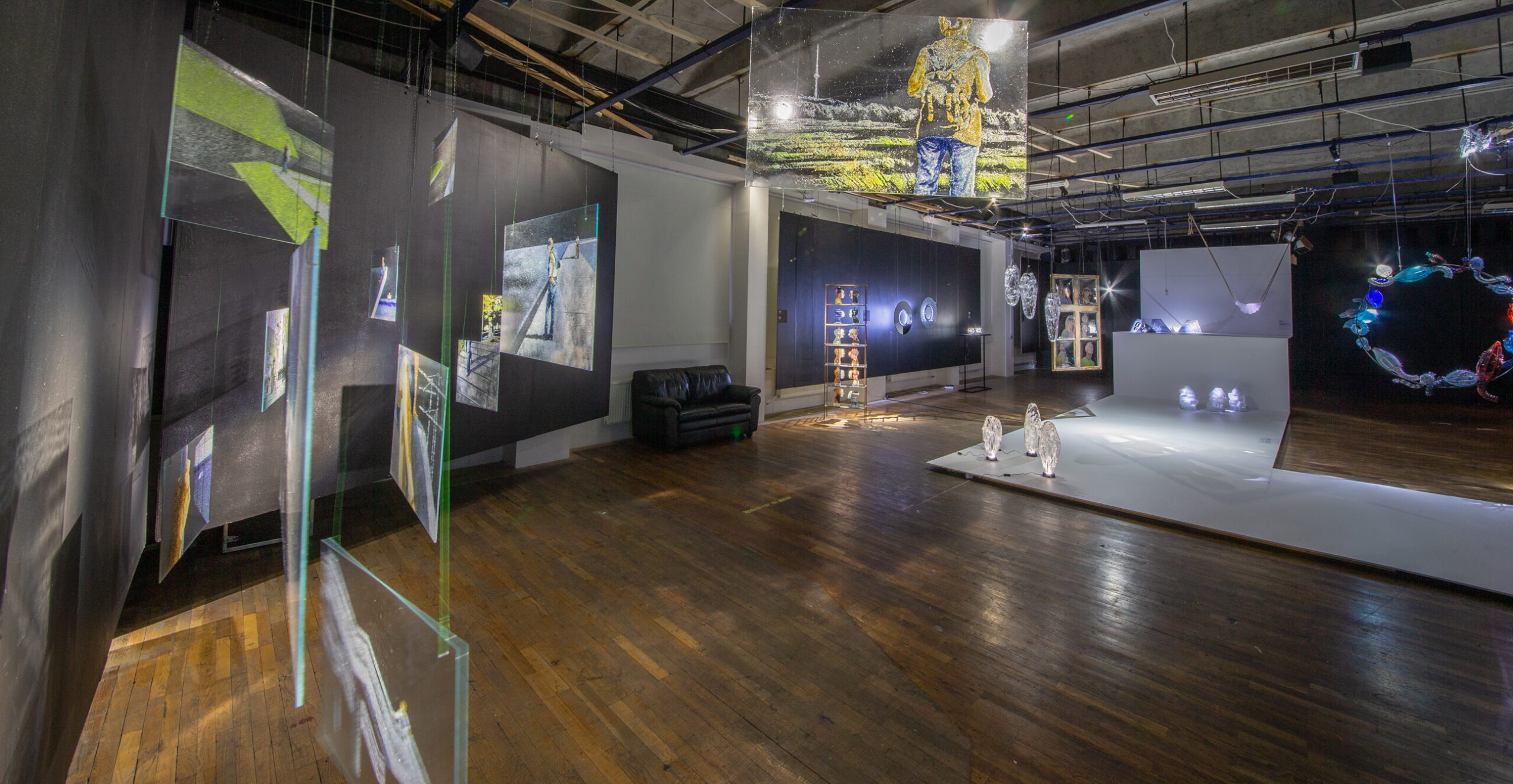
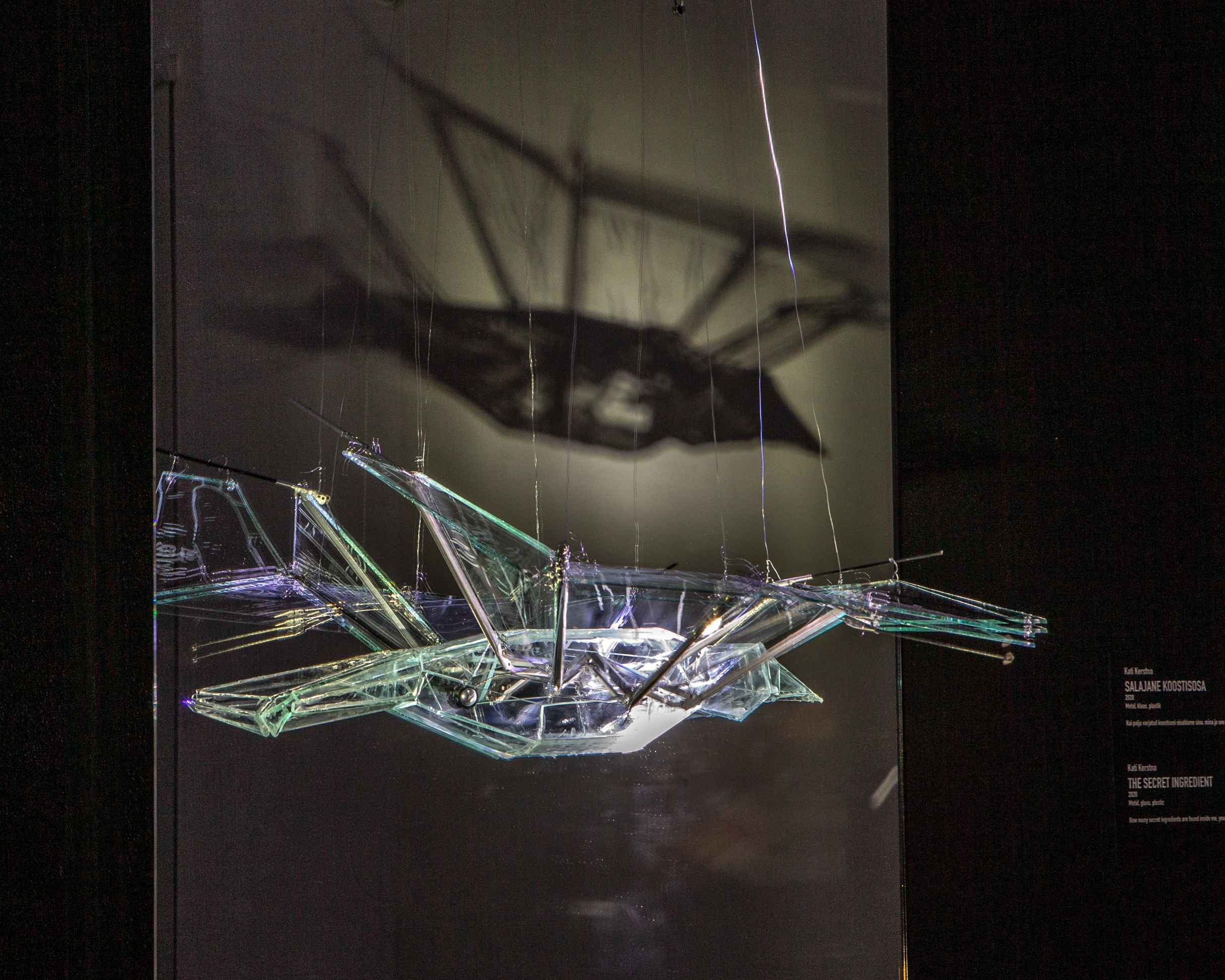
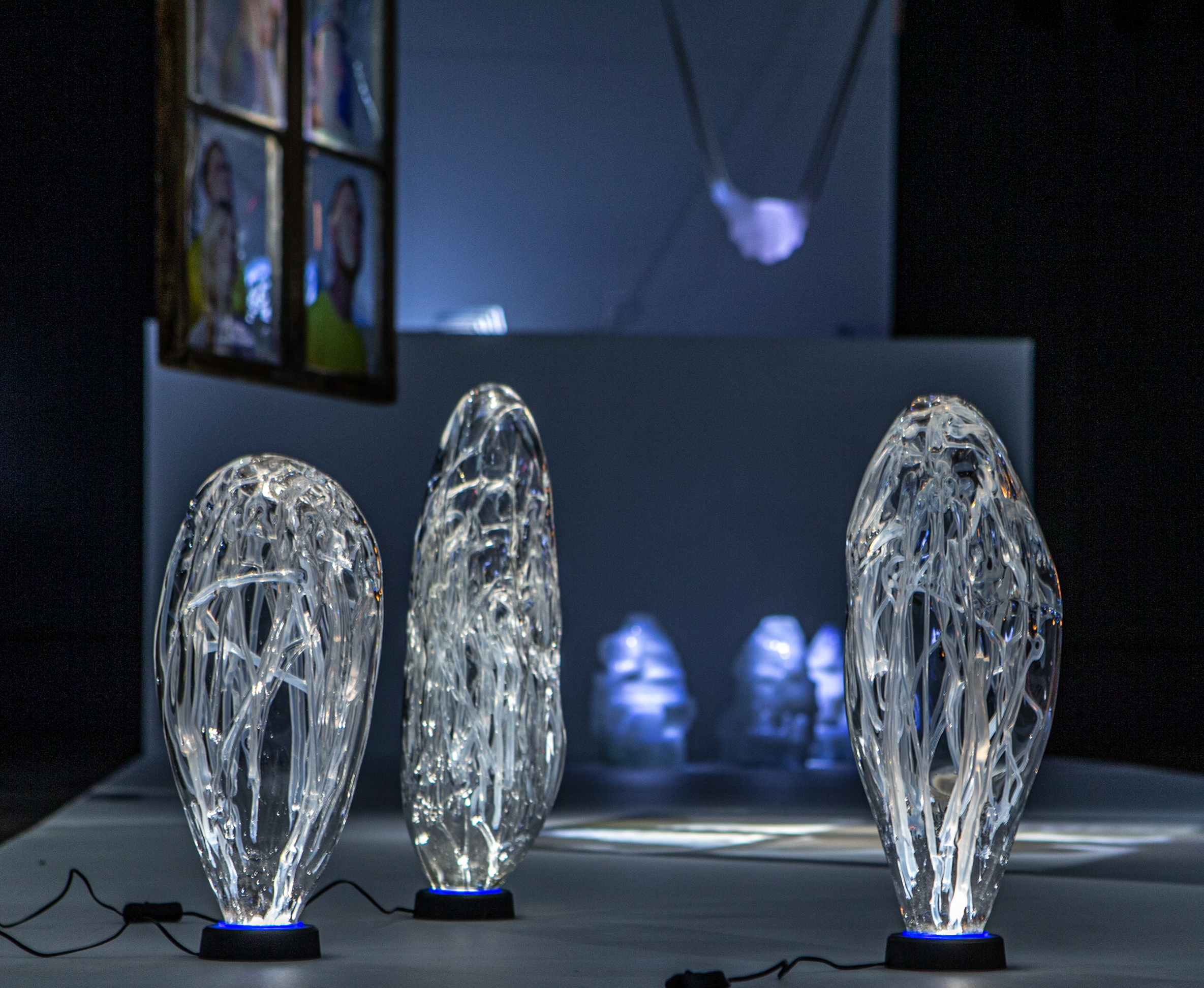
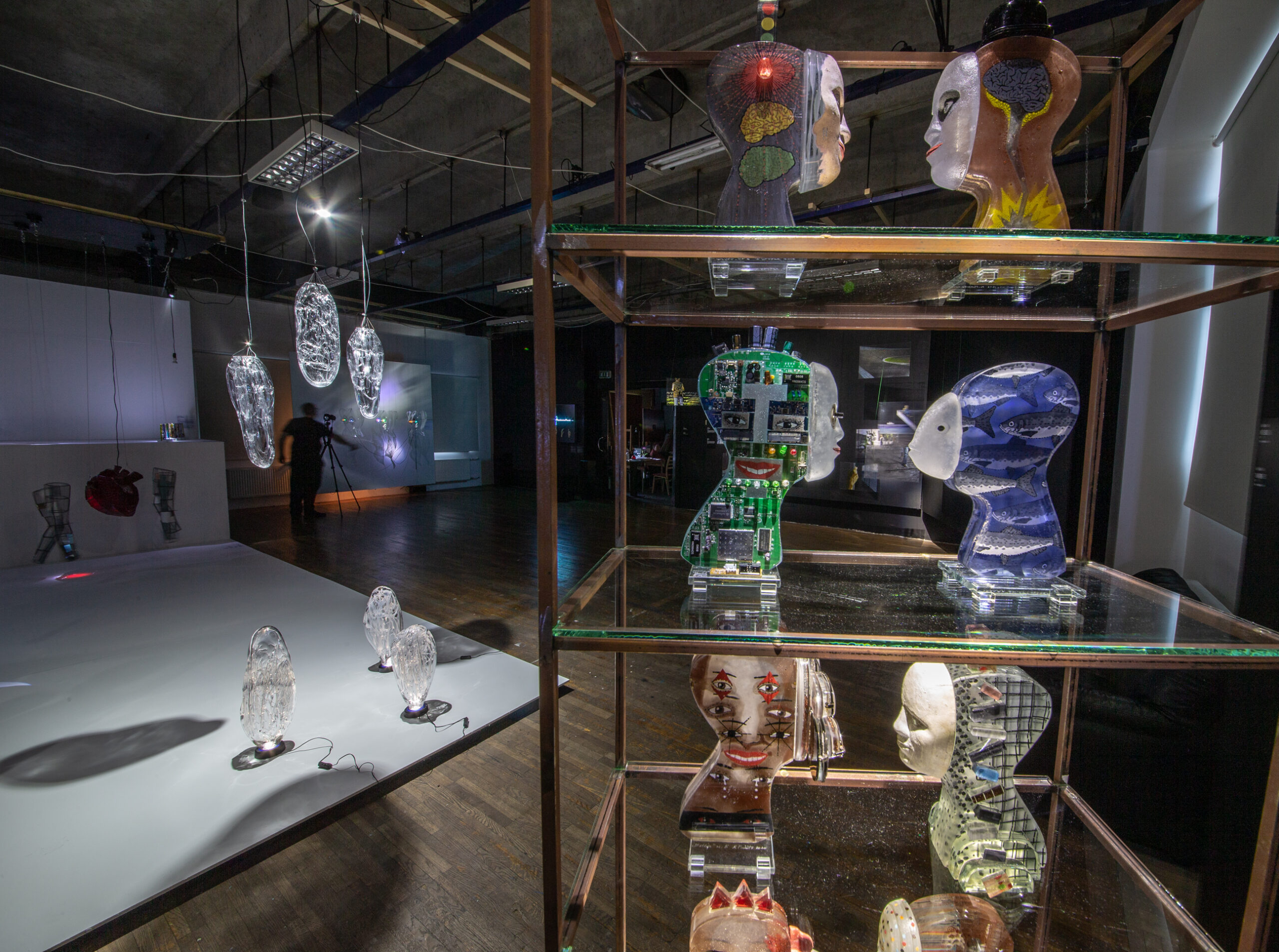
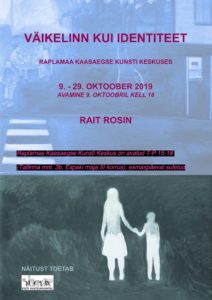 The topic of this exhibition is the creation of identity as part of shaping the social organisation and quality of life in small towns, and the role that art plays in small town life.